

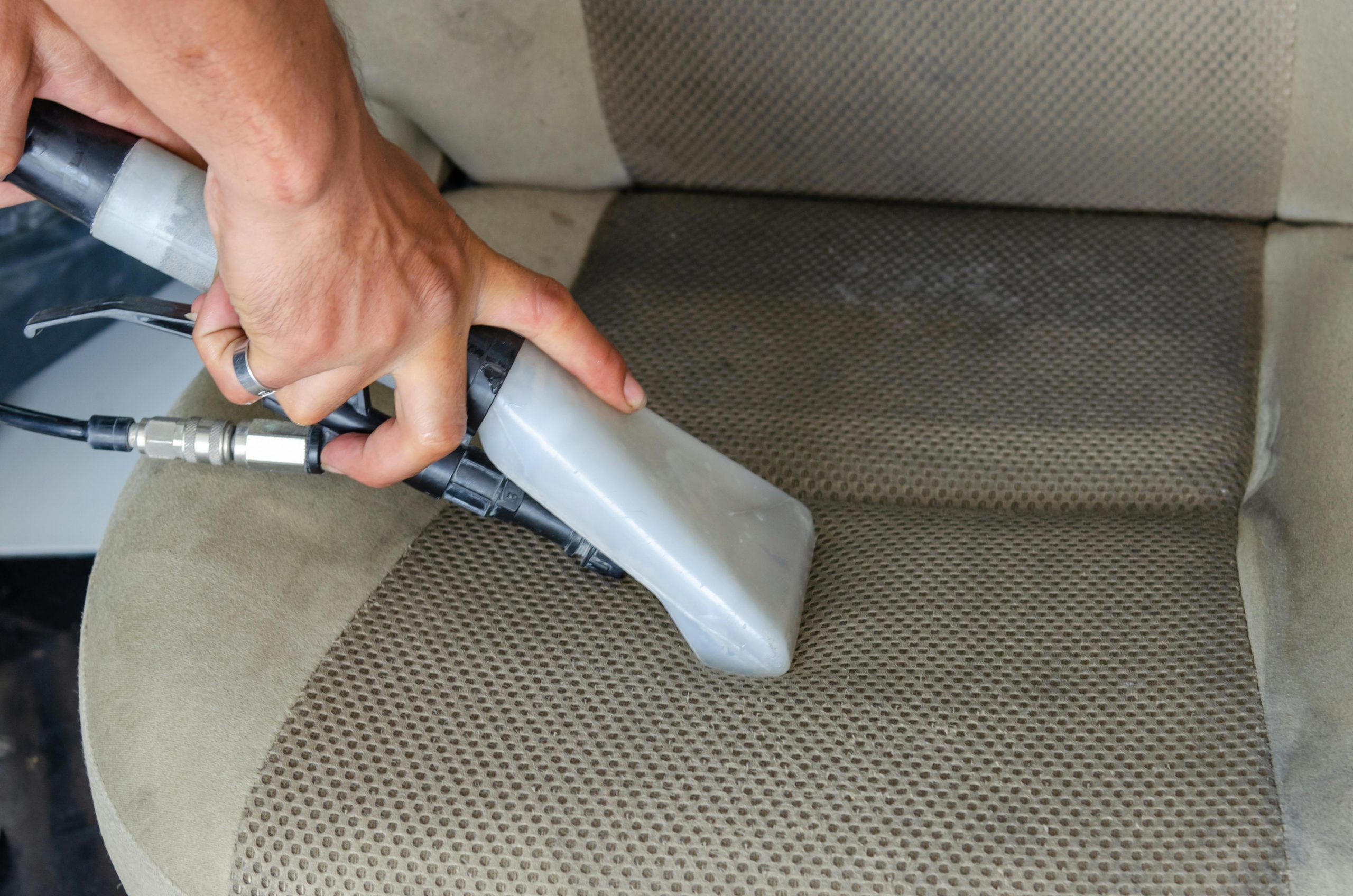
Spilling a drink or tracking mud into your vehicle creates an immediate problem. You want to remove the dirt, but applying too much liquid ruins the flooring.
Finding the best way to clean car carpets without soaking them is essential to prevent permanent damage. Over-wetting leads to foul odors, mold growth, and rust underneath the floorboards.
The goal is to lift dirt from the fibers without letting moisture reach the padding below. This guide provides step-by-step instructions for cleaning auto flooring using low-moisture techniques. We will cover foam encapsulation, proper agitation, and smart extraction methods.
Why You Must Avoid Over-Wetting Auto Flooring?
Vehicle flooring is different from the rugs in your home. It features a thin layer of fabric glued directly to a thick, sponge-like sound-deadening pad. When you pour liquid directly onto this surface, gravity pulls the moisture past the top layer.
The underlying foam pad acts like a giant sponge. Once water enters this padding, it becomes trapped. The enclosed environment of a vehicle prevents natural airflow from drying this hidden layer.
Trapped moisture creates several severe problems:
- Mold and Mildew Growth: Dark, damp environments breed spores rapidly. The Environmental Protection Agency (EPA) warns that mold causes structural damage and severe health issues.
- Persistent Odors: Wet padding develops a sour, musty smell that ruins the driving experience.
- Rust Formation: Moisture sitting against the metal floorpan accelerates corrosion.
- Electrical Issues: Modern vehicles have wiring harnesses under the floor. Water intrusion can short out expensive sensors.
What is the Best Way to Clean Car Carpets Without Soaking Them?
To prevent dirty flooring from causing water damage, you must rely on chemical action and friction rather than liquid saturation. The most effective low-moisture method uses dry foam encapsulation. This technique suspends dirt in bubbles, allowing you to wipe it away.
Follow these specific steps to execute this method:
1. Remove Loose Debris Thoroughly
Never apply cleaning products to loose dirt. Liquid turns dust into mud, pushing it deeper into the fibers. Start by removing every loose particle.
Use a wet/dry shop vacuum with a crevice tool attachment. Pull the seats all the way forward and backward to reach hidden areas. Vigorously strike the flooring with your hand while vacuuming to bounce the embedded sand to the surface.
For stubborn pet hair, use a rubber pumice stone or a specialized silicone detailing brush. Scrape the rubber tool across the fabric to gather hair into small piles. Vacuum these piles immediately.
2. Apply a Dry Foam Carpet Cleaner
Avoid liquid spray bottles that shoot heavy streams of water. Instead, use an automotive interior foam cleaner. Aerosol foaming cleaners expand upon contact. They coat the tops of the fibers without sinking into the backing.
Spray an even layer of foam over a small, targeted section. Work in two-foot squares to maintain control over the moisture level. Let the foam sit for 30 to 60 seconds. This dwell time allows the chemicals to break the greasy bonds that hold the dirt.
3. Agitate with a Drill Brush
Friction does the heavy lifting in low-moisture detailing. Attach a medium-stiffness nylon brush to a cordless drill. The spinning action works the foam into the sides of the fibers.
Run the drill at a low speed to avoid slinging the product onto the seats. Move the brush in overlapping passes. Go up and down, then left and right. This cross-hatch pattern ensures you agitate every side of the fabric loop.
Suppose you do not own a drill, a handheld stiff-bristle interior brush works. Scrub vigorously in circular motions.
4. Wipe Away Dirt Using Microfiber Towels
Once the foam breaks down the soil, you must extract it before it dries. Because you are avoiding heavy water extraction, you will use physical transfer. Grab a clean, dry microfiber towel.
Press the towel firmly into the agitated area and twist. The microscopic hooks in the microfiber will grab the dirt-filled foam. Flip the towel to a clean side frequently.
Rub aggressively until the area feels only slightly damp to the touch. If the stain persists, repeat the foam-and-agitate process. Do not add more liquid; reapply the dry foam.
Low-Moisture Alternatives for Stubborn Stains
Sometimes foam alone struggles to remove heavy grease, coffee, or salt stains. You can tackle these specific issues without resorting to buckets of water. You need to adjust your chemistry.
Steam Cleaning Done Right
A commercial steam cleaner is an excellent tool for low-moisture detailing. Steam provides extreme heat to melt grease without leaving a greasy residue. To do this safely, wrap a microfiber towel around the triangular attachment of your steamer.
The steam heats the towel, and the towel pulls up the dirt. Pass the wrapped tool slowly over the stain. The moisture from the steam evaporates almost instantly, leaving the underlying pad completely dry.
According to car care experts at Autogeek, steam safely kills bacteria while lifting stubborn organic material.
The Baking Soda Method for Odors
If your main problem is a bad smell rather than a visible stain, keep the liquids stored away entirely. Baking soda is a natural, dry odor neutralizer. It absorbs ambient moisture and traps scent molecules.
Sprinkle a generous layer of dry baking soda over the affected area. Use a dry scrub brush to work the powder deep into the fibers. Leave the powder sitting undisturbed for at least 12 hours.
The longer it sits, the more odors it absorbs. After the waiting period, use your shop vacuum to vacuum up all the powder. Tap the floor repeatedly to ensure you extract the powder from the bottom of the weave.
Tackling Specific Types of Spills Safely
Different stains require different approaches. Treating every spill the same leads to wasted effort and excess moisture. Here is how to handle common vehicle messes dryly.
Removing Winter Salt Stains
Road salt hardens into white, concrete-like crusts on your floorboards. Water alone will not dissolve them quickly, tempting you to over-saturate the area. Instead, you must neutralize the alkaline salt.
Mix 50% white vinegar with 50% hot water in a spray bottle. Mist the salt crust lightly. Do not pour the mixture. Let the acidic vinegar break down the salt for three minutes.
Use a stiff brush to shatter the softened crust. Vacuum the broken pieces immediately. Wipe the remaining dampness with a dry towel.
Lifting Grease and Oil
Food grease or mechanical oil requires solvent action. Water pushes oil deeper. Apply a citrus-based degreaser sparingly to a microfiber towel, not directly to the flooring.
Blot the grease stain repeatedly with the damp towel. Do not rub, as rubbing smears the oil outward. Press firmly, lift, and rotate to a clean section of the towel. Repeat this blotting process until the transfer stops.
Erasing Coffee Spills
Coffee contains organic tannins that dye fabrics brown. To fix this, use an enzyme-based fabric cleaner. Enzymes literally digest organic material.
Mist the cleaner lightly over the brown spot. Use a soft detailing brush to work the enzymes into the top layer—Blot away the residue with a clean towel. Enzymes continue working as long as the surface is slightly damp, so let it air dry naturally.
Essential Tools for Dry Auto Upholstery Detailing
Achieving professional results requires the right equipment. Using household cleaning supplies often leads to overwetting. Gather these specific tools before you start your interior detailing.
1. Wet/Dry Shop Vacuum: A standard household vacuum lacks the suction power needed to pull heavy sand from auto flooring. Invest in a shop vacuum with at least 5 peak horsepower.
2. Cordless Drill and Brush Attachments: Manual scrubbing causes fatigue. A set of round nylon brushes that snap into a standard drill chuck significantly speeds up agitation. Buy brushes with medium stiffness (usually yellow or green bristles).
3. High-GSM Microfiber Towels: Cheap towels smear dirt around. Look for towels with a rating of 300 GSM (Grams per Square Meter) or higher. These thicker towels hold more dirt and absorb trace moisture instantly.
4. Aerosol Foaming Upholstery Cleaner: Skip the trigger spray bottles. Buy cans labeled as “dry foam” or “encapsulating cleaner.” These products dispense thick shaving-cream-like lather.
How to Dry Car Carpets Fast If They Get Damp?
Even with careful techniques, the top layer of your flooring will become slightly damp. You must force this surface moisture to evaporate quickly before the vehicle is sealed up. Fast drying prevents that sour, mildew smell from developing.
Maximize Airflow
Leave all four doors wide open if you are in a safe, dry location. Wind is the fastest way to evaporate surface moisture. If you are working inside a garage, set up box fans.
Position the fans so they blow directly across the damp sections. Moving air strips the moisture vapor away from the fabric.
Run the Vehicle’s Heater
Your car has a built-in drying system. Start the engine and turn the climate control to the floor setting. Crank the heat to maximum and turn the fan speed to high.
Ensure the AC button is engaged, even with the heat on. The air conditioning system acts as a dehumidifier, removing moisture from the cabin air. Roll the windows down about one inch to give the damp air an escape route. Let the car run like this for 15 to 20 minutes.
Use Desiccant Packs
If you must drive the car immediately after cleaning, place silica gel packs under the seats. You can buy large desiccant bags designed for RVs or boats. These passive absorbers pull trace moisture from the enclosed cabin air overnight.
Preventing Future Stains in Your Vehicle
The easiest way to deal with dirty flooring is to stop the dirt from reaching the fabric in the first place. Preventive measures save you hours of scrubbing.
First, invest in custom-fit thermoplastic floor liners. Unlike cheap rubber mats, custom liners feature raised lips that trap spills like a bowl. When a spill happens, you pull the plastic tray out and hose it off.
Second, apply a fabric protectant spray. Products like Scotchgard create a hydrophobic barrier over the fibers. When you spill coffee, the liquid beads up on the surface instead of sinking in. This gives you time to grab a napkin and wipe it away before it becomes a stain.
Maintaining Clean Car Carpets Without Soaking Them
Keeping your vehicle’s interior spotless does not require buckets of soapy water. Relying on heavy liquid extraction is a guaranteed way to ruin the padding and introduce mold. The best way to clean car carpets without soaking them relies on friction, high-quality tools, and intelligent chemical application.
Using dry foam encapsulation and drill-brush agitation safely lifts dirt. Always prioritize physical extraction with thick microfiber towels over wet vacuuming. Implement these low-moisture strategies today to preserve your vehicle’s value, smell, and appearance.
