

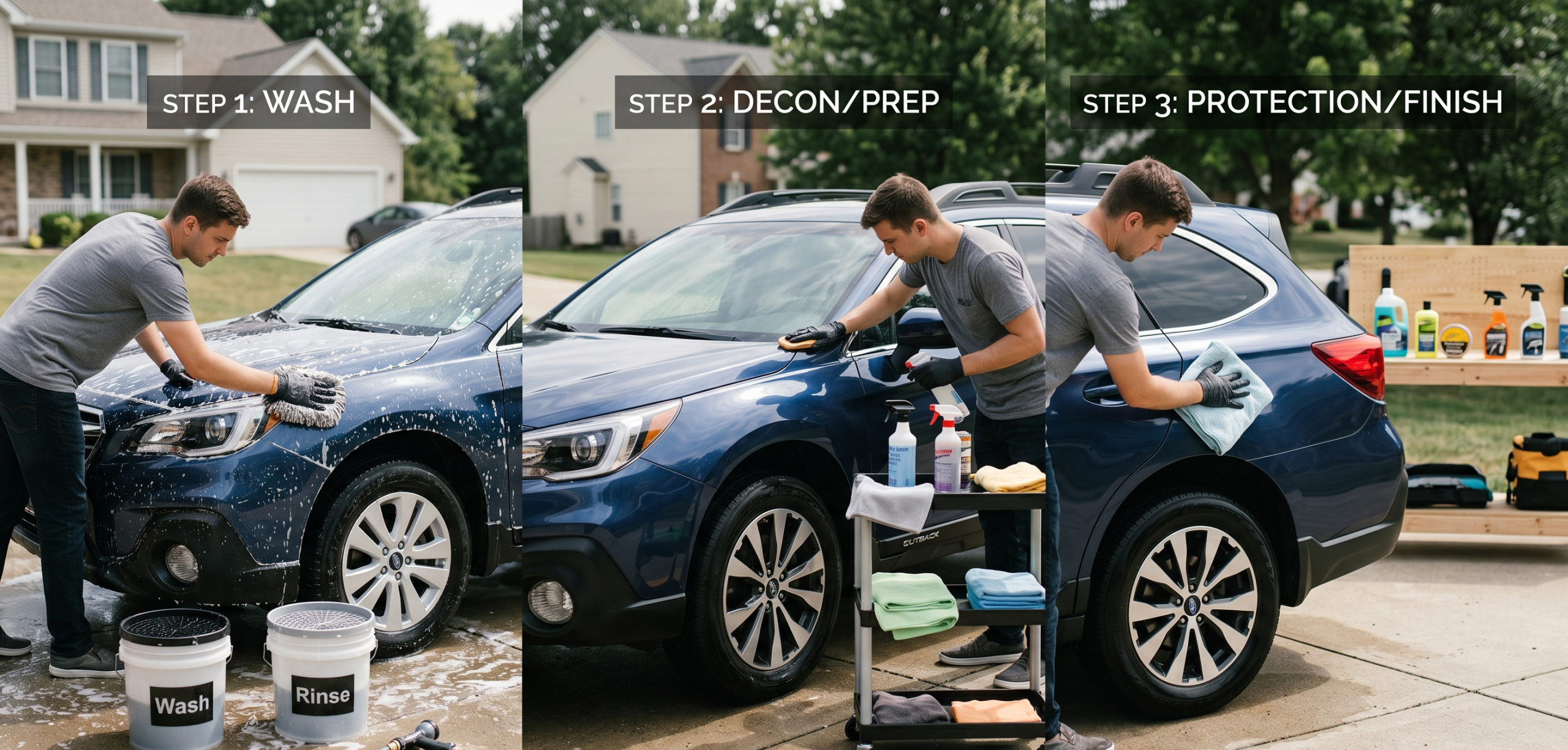
Caring for your automobile goes far beyond a quick weekend rinse with a garden hose. True detailing rejuvenates the paintwork, seals the surfaces against harsh environmental elements, and restores the interior cabin to its original showroom condition.
For beginners, the sheer volume of specialized products, liquids, and tools can feel incredibly overwhelming.
Diving into the process without a logical, systematic strategy can actually cause more harm than good, often leading to accidental paint scratches or unsightly streaks.
Why You Need a Structured Car Detailing Workflow?
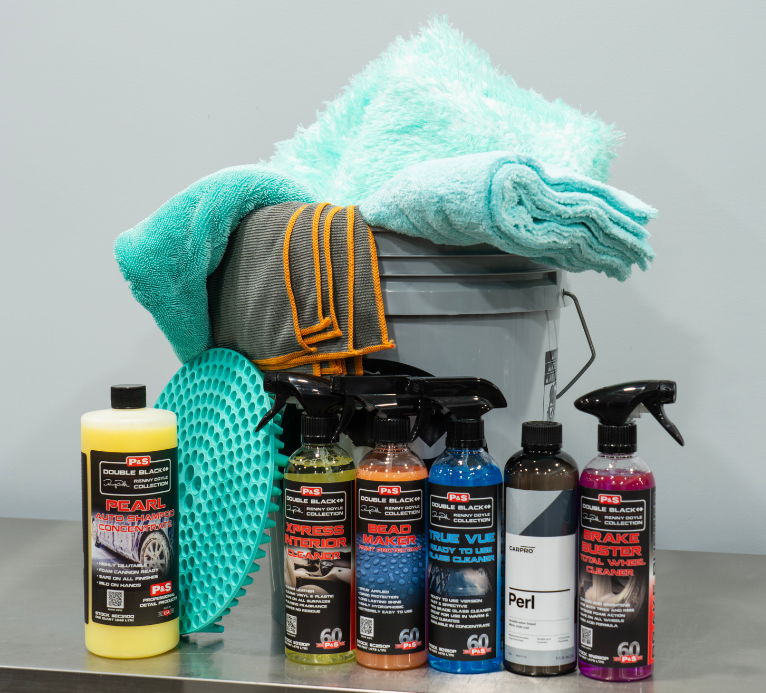
Using a dedicated workflow ensures that you never cross-contaminate clean areas with dirt from untouched sections. For example, washing your paint before cleaning your filthy wheels means brake dust will inevitably fly up and ruin your fresh work.
A systematic approach preserves your paint integrity, saves valuable time, and ensures every single dollar spent on premium car care products delivers maximum visual results.
Phase 1: Essential Detailing Gear and Preparation
Before turning on the water supply, gather all necessary tools and chemical solutions. Having your items organized prevents chemical spots from drying on the vehicle surface while you search for a tool.
The Ultimate Beginner Tool Checklist
-
-
Three Heavy-Duty Buckets: Two for washing and rinsing the body, plus one dedicated solely to wheels and tires.
-
Grit Guards: Plastic inserts that sit at the bottom of buckets to trap dirt particles away from your wash mitt.
-
Microfiber Wash Mitts: High-pile chenille or synthetic microfiber mitts that gently lift contamination.
-
Premium Car Wash Shampoo: A dedicated, pH-balanced soap formulation that lubricates paint surfaces without stripping away existing wax layers.
-
Wheel Brushes: Soft-bristled barrel brushes and stiff tire brushes to remove baked-on metallic road grime safely.
-
Plush Microfiber Towels: Dedicated drying towels with a high grams-per-square-meter rating to absorb moisture without marring the clear coat.
-
Choosing the Right Environment
Never detail your vehicle under direct sunlight or when the body panels feel hot to the touch.
Intense heat dries water and chemicals almost instantly, creating stubborn water spots and chemical stains that require compounding to remove. Find a shaded area or work early in the morning.
Phase 2: Decontaminating Wheels, Tires, and Wheel Wells
Always address the dirtiest zones of the automobile first. The wheels and lower rocker panels carry highly abrasive metallic dust generated by the braking system.
Step 1: Clean the Wheel, Wells
Rinse out the inner fender linings thoroughly with a high-pressure water stream. Spray an all-purpose cleaner or heavy-duty degreaser into the well, allow it to dwell for two minutes, and scrub with a long-handled, stiff brush to dislodge caked-on mud.
Step 2: Apply Dedicated Wheel Cleaner
Spray a non-acidic wheel cleaner across the rim surface. For heavy build-up, use an iron-remover formula that turns purple upon reacting with metallic brake dust. Let the formula dissolve the contamination, then agitate the inner barrels and face with soft brushes.
Step 3: Scrub the Tire Sidewalls
Apply a strong rubber cleaner to the tire sidewalls. Use a stiff-bristled brush to scrub until the brown oxidation turns into a white foam. Rinse the entire wheel assembly cleanly before moving to the next quadrant.
Phase 3: The Exterior Pre-Wash and Multi-Bucket Washing System
This phase focuses on removing loose contamination before you ever physically touch the paint panel with a wash mitt, significantly reducing swirl marks.
EXTERIOR WASH STAGES:
- Pre-Rinse & Foam Soak (Loosens heavy grit).
- Two-Bucket Wash (Safe, lubricated contact wash).
- Final Rinse (Removes all remaining soap residue).
Step 1: The Pressure Pre-Rinse
Blistering grit, road sand, and organic debris must be washed away using water pressure alone. Spray the vehicle from top to bottom, paying close attention to the lower doors and bumpers.
Step 2: The Foam Cannon Soak
If you own a foam cannon attached to a pressure washer, coat the vehicle in a thick layer of snow foam. Allow the dense lather to dwell for three to five minutes. This suspends abrasive grit so it safely slides off the vertical paint panels.
Step 3: Executing the Two-Bucket Method
Fill one bucket with clean water (the rinse bucket) and another with your shampoo mixture (the wash bucket). Both must contain grit guards.
-
Dip your clean mitt into the soapy water.
-
Wash one single panel at a time, working strictly from top to bottom.
-
Rinse the dirty mitt thoroughly in the clear water bucket to dislodge grit before picking up fresh soap.
Phase 4: Mechanical and Chemical Paint Decontamination
Even after a thorough wash, your paint will likely feel rough. Industrial fallout, tree sap, and embedded iron particles bond permanently to the clear coat, creating a gritty texture.
Step 1: Applying an Iron Dissolver
Spray a dedicated iron fallout remover across the completely rinsed, wet paint panels. Let the product dwell for a few minutes until you observe the purple color change, indicating the dissolution of embedded metallic shards. Rinse thoroughly.
Step 2: The Clay Bar Treatment
Molded detailing clay shears off any remaining above-surface contamination. Lubricate a two-foot by two-foot section generously with a dedicated clay lubricant or slick quick-detailer spray.
Gently glide the flattened clay bar across the surface using light linear motions. Check the clay surface frequently, folding it inward to expose a fresh, clean face whenever it looks dark or discolored.
Phase 5: Safely Drying the Exterior
Water contains dissolved minerals like calcium and magnesium. If water evaporates naturally on your clear coat, it leaves white crystalline rings behind that can etch into the surface.
Step 1: Use a Drying Aid
Mist a lightweight spray wax or quick detailer across the wet panels. This provides additional surface lubrication, allowing your drying towel to glide effortlessly across the delicate paint without inflicting tiny micro-scratches.
Step 2: The Microfiber Blotting Technique
Lay a large, high-absorbency microfiber drying towel flat across the panel. Gently drag the towel toward you, or blot the surface to lift moisture. Avoid scrubbing motions, and use compressed air to blow trapped water out of mirrors, emblems, and window trim.
Phase 6: Deep Cleaning and Restoring the Interior
With the exterior fully clean and dry, turn your attention to the cabin layout. A clean interior drastically improves the driving experience and preserves material longevity.
Step 1: De-clutter and Extract Loose Debris
Remove all floor mats, trash, and personal items. Use a high-powered vacuum equipped with a crevice tool to clear out crumbs from seat folds, storage pockets, and carpet fibers.
Step 2: Agitate and Clean Surfaces
Spray a dedicated interior cleaner onto a soft microfiber cloth or a detailing brush rather than directly onto the delicate electronics. Wipe down the dashboard, console, door cards, and steering wheel. Use horsehair detailing brushes to clean air vents and intricate seams.
Step 3: Condition Leather and Protect Vinyl
Apply a UV-blocking protectant to plastic and vinyl surfaces to prevent cracking and fading caused by solar exposure. If your vehicle features leather surfaces, apply a dedicated leather conditioner to replenish essential oils and keep the material supple.
Phase 7: Paint Correction and Polishing (Optional Stage)
If your paint shows a hazy web of swirl marks or light scratches under direct light, paint correction is required. Polishing uses microscopic abrasives to level the clear coat, restoring optical clarity and depth.
-
Compounding: Uses a coarse compound pad and heavy cutting paste to remove deep defects.
-
Polishing: Uses a fine foam finishing pad and finishing polish to remove compound haze and maximize gloss.
Always tape off delicate rubber trim, unpainted plastics, and panel gaps with automotive masking tape before using a dual-action orbital polisher. Work in small sections, wiping away residue with an isopropyl alcohol spray to inspect your progress.
Phase 8: Applying Long-Lasting Surface Protection
Paint protection creates a sacrificial barrier against UV rays, acid rain, bird droppings, and industrial pollution. Without it, your freshly polished paint will oxidize quickly.
| Protection Type | Durability Range | Key Characteristics |
| Carnauba Wax | 4 to 6 Weeks | Deep warm shine, easy to apply, low longevity |
| Synthetic Polymer Sealant | 4 to 6 Months | High durability, excellent slickness, synthetic gloss |
| Ceramic Coating | 1 to 5+ Years | Intense hydrophobic properties, semi-permanent shield |
Application Methodology
Apply your chosen wax or sealant using a soft foam applicator pad. Spread the product thinly and evenly in overlapping circular motions. Let it cure according to the manufacturer instructions until it hazes over, then buff it off to a high shine using a clean, plush microfiber towel.
Phase 9: Glass Clarity and Final Inspection Finishes
The final phase ties the entire project together, ensuring a crystal-clear vision and a perfectly detailed appearance.
Step 1: Streak-Free Glass Cleaning
Use a dedicated automotive glass cleaner that is completely free of ammonia, as ammonia damages aftermarket window tint films.
Spray the cleaner onto a low-pile waffle-weave microfiber towel. Wipe the glass surface thoroughly, then flip to a completely dry towel to buff away any remaining streaks.
Step 2: Dress the Exterior Rubber and Tires
Apply a water-based tire dressing to the tire sidewalls using a foam crescent applicator. This yields a clean, satin-sheen appearance without sling issues.
Wipe down any exterior black plastic trim with a restorer compound to protect it from gray oxidation.
Frequently Asked Questions About Car Detailing Workflows
How often should I execute a full car detailing workflow?
A comprehensive deep detail including claying, polishing, and sealing is typically recommended twice a year, ideally in the spring and autumn. Regular maintenance washes should occur every two weeks to keep contamination from bonding.
Can I skip the clay bar phase if my paint looks shiny?
Even shiny paint can hold deeply embedded grit. Rub your hand inside a clean plastic sandwich bag gently across the clean paint panel. If it feels rough like sandpaper, your paint requires a clay bar treatment to clear out contaminants before you apply wax.
What is the biggest mistake beginners make during exterior detailing?
The absolute biggest mistake is using a single bucket with an old sponge or bath towel. This drag trapped grit right across the clear coat, inflicting heavy swirl marks and fine scratches that ruin the paint clarity over time.
Summary Checklist for Next Saturday’s Detail
To help keep your next weekend project organized, follow this quick reference sequence:
-
Wheels & Wells First: Clean all four wheel assemblies entirely using dedicated tools.
-
Pre-Wash Soak: Rinse heavily and apply snow foam to slide the grit off the paint panels.
-
Two-Bucket Method: Wash the car carefully from the roof down to the rocker panels.
-
Decontaminate: Apply an iron remover solution and use a clay bar on rough spots.
-
Dry Safely: Use a plush towel combined with a slick drying aid spray.
-
Interior Deep Clean: Vacuum thoroughly, wipe down panels, and condition materials.
-
Protect the Paint: Apply a fresh coat of wax, paint sealant, or a ceramic product.
-
Glass & Dressing: Clean the glass surfaces and dress the tires for a pristine finish.
For more technical safety guidelines and resources regarding chemical management, check out the safety standards provided by the Occupational Safety and Health Administration or review chemical handling frameworks from the Environmental Protection Agency.
