Auto detailing professionals frequently fall into a trap that erodes their profit margins. They quote a standard price for a vehicle, only to discover the interior is a complete disaster requiring a dozen hours of labor. Knowing how to handle extremely dirty cars without losing money requires a shift in your business operations.
You must abandon flat-rate pricing for severe conditions. This guide outlines the precise inspection protocols, chemical applications, and workflow adjustments necessary for profitable disaster details.
The Financial Risks of Disaster Details
Accepting a heavily soiled vehicle without a strict plan leads to rapid revenue loss. You end up burning through expensive chemicals like heavy-duty degreasers and enzyme treatments. Physical fatigue sets in, slowing down your labor rate and risking injury.
Furthermore, opportunity cost becomes a major factor. Spending ten hours on a single disaster detail prevents you from completing three standard maintenance washes. Those three standard washes often generate significantly more revenue with a fraction of the effort.
How to Handle Extremely Dirty Cars Without Losing Money?
Mandate In-Person Inspections
Never issue a binding quote over the phone for a vehicle you have not seen. Clients regularly underestimate the severity of their stains, pet hair, or mold issues. Require a physical walkthrough or clear, well-lit photographs of all seating areas and floorboards.
Implement the “Extreme Condition” Fee
Your base packages should only cover standard wear and tear. You must establish a non-negotiable severe condition fee. Detailers typically charge an additional $50 to $100 per hour for biohazards, extensive pet hair, or layered mud.
Transition to Hourly Billing
Flat rates are dangerous when dealing with unpredictable interiors. Once a vehicle crosses the threshold into a disaster detail, shift the client to an hourly billing model. Provide an estimated range, but make it clear they are paying for time and materials.
Require Upfront Deposits
Extremely dirty cars require dedicated blocks of time, often an entire workday. If a client cancels a disaster detail at the last minute, your schedule is ruined. Always collect a non-refundable deposit of 20% to 50% before securing these massive jobs on your calendar.
Essential Protective Gear for Extreme Conditions
Respiratory Protection
Disaster details often harbor unseen dangers, such as black mold spores and hantavirus from rodent droppings. Never rely on a basic paper mask for severe interiors. Invest in a half-face respirator with P100 particulate filters.
Heavy-Duty Nitrile Gloves
Standard latex gloves tear easily when scrubbing rough carpets or reaching under seats. Purchase heavy-duty, 8-mil nitrile gloves to protect your hands from harsh chemicals and sharp debris. You never know where a discarded razor blade or broken glass might be hiding.
Eye Protection
Aggressive chemical spraying in enclosed spaces results in atomized particles that float in the air. Chemical burns to the eyes halt your workflow immediately and require medical attention. Always wear wraparound safety glasses when applying heavy degreasers or working with compressed air.
You can review safety guidelines for handling harsh cleaning agents on the Environmental Protection Agency (EPA) website.
Chemical Efficiencies for Fast Breakdown
Utilize Enzyme Cleaners
Standard all-purpose cleaners (APCs) only remove surface organic stains. Enzyme cleaners actively digest the proteins found in milk, blood, urine, and vomit. Spray enzyme treatments early in the process so they have time to eat the odor-causing bacteria literally.
Master the pH Scale.
Stop scrubbing endlessly with neutral soaps. Alkaline cleaners (pH 10-13) quickly break down grease, oil, and mud on floor mats. Acidic cleaners (pH 2-4) dissolve hard water spots and mineral deposits on the exterior. Matching the chemical pH to the specific type of dirt drastically reduces your physical labor.
The Power of Dwell Time
Never spray a heavily soiled panel and immediately wipe it away. Cleaning chemicals require five to ten minutes to emulsify thick grease and dirt. Apply your treatments to the entire interior before returning to agitate the first section.
Efficient Workflow for Maximum Profitability
Step 1: Total Trash Removal
Do not attempt to clean around garbage. Bring a large contractor bag and remove all wrappers, cups, and loose items first. Bag up personal belongings separately and place them in the trunk to clear your workspace.
Step 2: Compressed Air Purging
A vacuum nozzle cannot reach tight seat rails or the gaps between center consoles. Attach a tornado or air blow gun to your air compressor. Blast trapped dirt, french fries, and pet hair out of the crevices and onto the open floorboards.
Step 3: Dry Vacuuming Mastery
Never introduce water or chemicals to a carpet filled with loose sand. Wet sand turns into heavy mud that clogs extractors and stains fabrics deeper. Perform an exhaustive dry vacuuming session first, using a specialized pet hair brush to pull up embedded fibers.
Step 4: Mechanical Agitation
Hand scrubbing disaster details leads to severe wrist and shoulder fatigue. Attach a medium-stiffness nylon brush to a cordless drill. Let mechanical rotation lift embedded dirt from upholstery and carpets in minutes rather than hours.
Step 5: Hot Water Extraction
Cold water struggles to break down set-in organic stains and grease. A commercial hot water extractor rapidly breaks down grime while pulling suspended dirt into a recovery tank. This tool is mandatory for anyone looking to handle extremely dirty cars efficiently.
Tackling Severe Exterior Grime Profitably
Touchless Pre-Washing
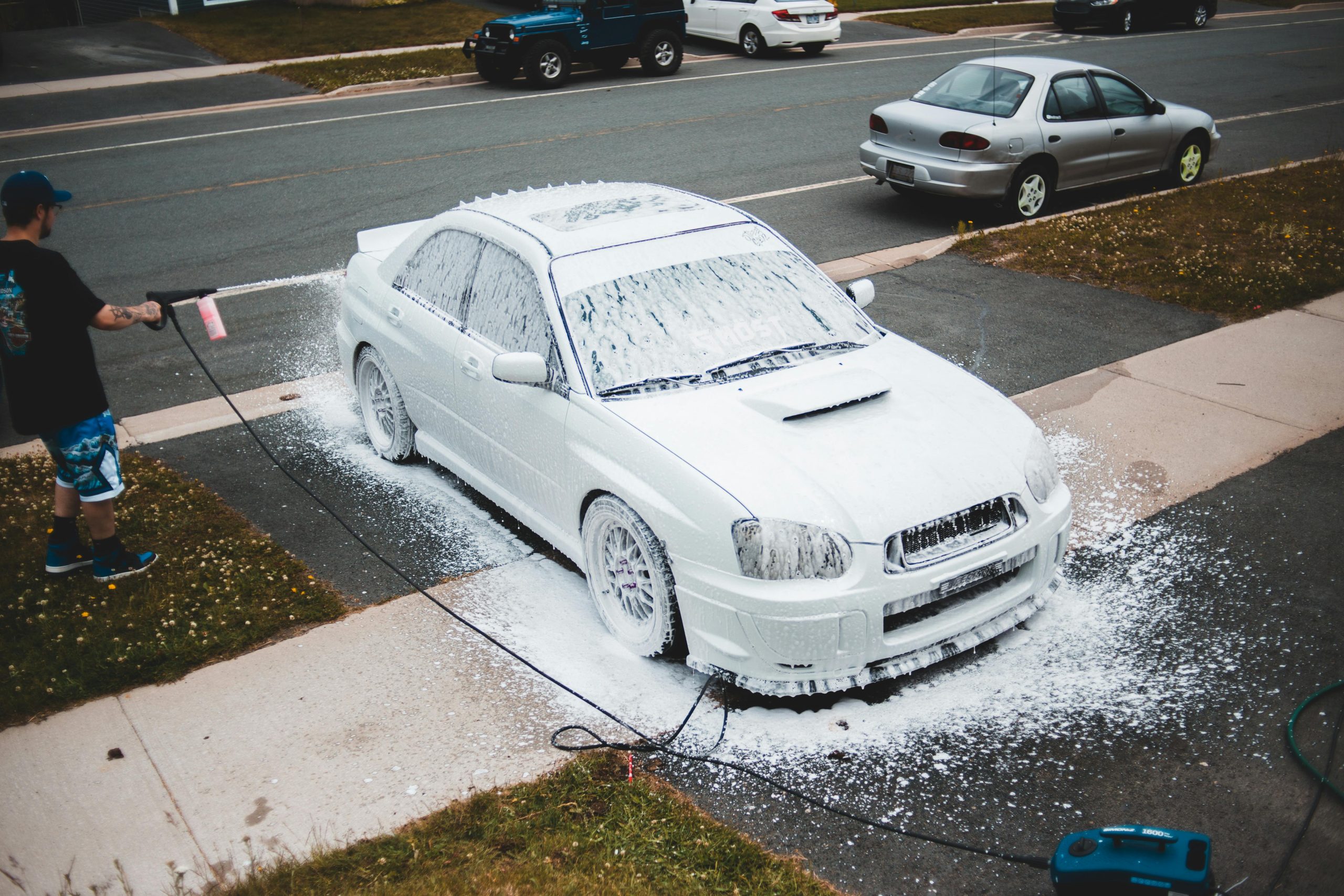
Do not drag a wash mitt across a vehicle caked in layered mud. Doing so causes severe clear-coat scratching, leading to angry clients. Apply a thick layer of alkaline foam cannon soap and let it pull the dirt off the paint completely, touchless.
Heavy-Duty Iron Removers
Vehicles neglected for years often have embedded industrial fallout and brake dust, turning the paint yellow. Spray a dedicated iron remover over the exterior. The chemical reacts with the metal particles, turning them purple and dissolving them without physical clay barriers.
Chemical Decontamination vs. Mechanical
Always lean heavily on chemical decontamination before resorting to a clay bar. Bug and tar removers, sap solvents, and mineral spirits dissolve sticky exterior hazards fast. Minimizing your physical contact with the vehicle saves time and energy.
Upselling Services to Maximize Margins
Ozone Generator Treatments
Disaster details often leave lingering odors even after heavy extraction. Offer an ozone generator treatment as a premium upsell. The machine floods the cabin with O3 gas, neutralizing smoke and pet odors at a molecular level with zero manual labor required.
Fabric Guard Applications
Once you have spent hours extracting a heavily soiled interior, sell the client on protection. Fabric guards create a hydrophobic barrier on carpets and seats, preventing future spills from setting in. This application takes 10 minutes but adds a high profit margin to the final invoice.
Ceramic Interior Coatings
For heavily soiled leather or vinyl interiors, upselling an interior ceramic coating is highly lucrative. These coatings prevent dye transfer from jeans and block UV fading. They command premium pricing and take minimal time to apply after the cleaning phase is finished.
Managing Client Expectations and Contracts
Define “Improvement” vs. “Perfection”
Disaster details rarely result in a showroom-new finish. Communicate clearly to the vehicle owner that your objective is a massive, sanitary improvement. Absolute perfection is often impossible due to permanent staining or neglected material degradation.
Document Pre-Existing Damage
Extremely dirty cars hide broken trim pieces, torn leather, and bleached plastics under layers of grime. Take a walk-around video of the interior and exterior before touching the vehicle. Point out all existing damage so you are not blamed for it once the dirt is removed.
You can find excellent templates for business liability on sites like the Small Business Administration (SBA).
Utilize Liability Waivers
Mold, bodily fluids, and chemical spills pose health risks and structural risks to the vehicle. Have clients sign a waiver acknowledging that aggressive cleaning might reveal hidden, pre-existing damage. This legal boundary protects your business from frivolous claims regarding headliner sagging or carpet fraying.
Knowing When to Walk Away
Refusing Hazardous Jobs
Not every vehicle is worth your time, regardless of the payout. Extensive black mold penetrating deep into the HVAC system requires professional remediation. Refusing to handle toxic jobs protects your physical health and your business reputation.
The Power of Saying No
Passing on a disastrous, biohazard-filled minivan is often the smartest financial decision you can make. It leaves your schedule completely open for multiple standard, highly profitable maintenance clients. Recognize that your business relies on sustainable labor, not suffering through jobs you hate.
Conclusion
Profitability vanishes quickly when operators underestimate the severity of a neglected vehicle. Mastering how to handle extremely dirty cars without losing money boils down to setting strict boundaries and leveraging chemistry.
You must mandate visual inspections, charge extreme condition fees, and let high-pH cleaners do the heavy lifting. By streamlining your extraction workflow and managing client expectations upfront, these massive projects transform from daily headaches into highly lucrative additions to your business.