

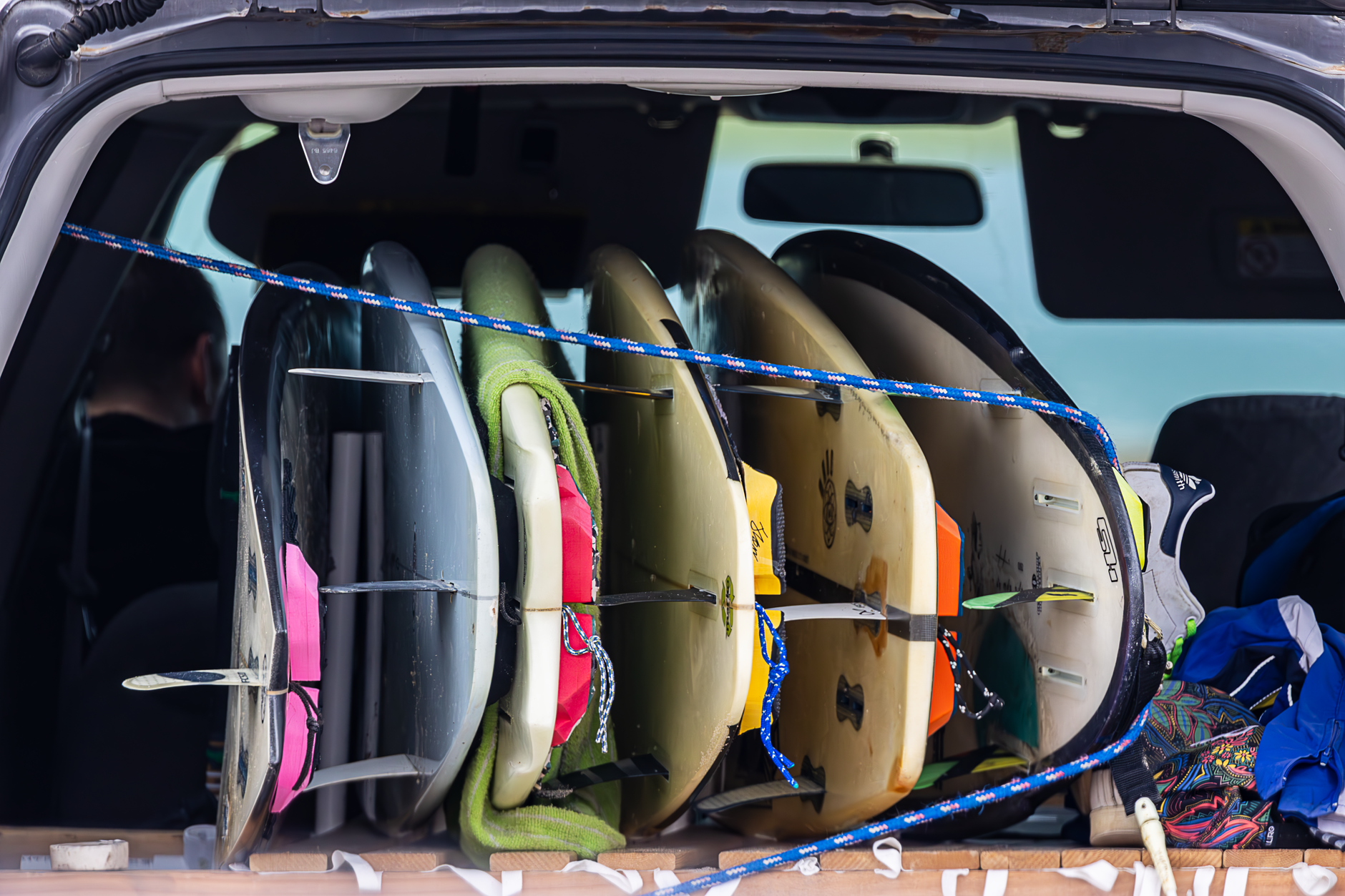
Why Most People’s “Car Prep” Is Missing the Point?
It’s the night before a big road trip; you’ve stuffed the trunk with snacks and a suitcase, topped off the windshield washer fluid, and you call it good.
Most people do exactly that. And most people end up on the shoulder of an interstate somewhere between Bloomington and nowhere, staring at a puddle of coolant while their phone battery drops to 4%.
I’ve been on enough long hauls to know that a little planning goes a long way. Last summer, I took my own 2004 Volkswagen R32 on a 1,100-mile loop from home to Cincinnati, then up to Indianapolis for the Indy 500.
That car is 20 years old. It’s heavily modified. And it survived the whole trip without a single mechanical failure because I spent the two weeks before doing the boring stuff.
Start Two Weeks Out – Basic Maintenance That Actually Matters
Here’s the golden rule I follow: if a service is coming up within 1,000 miles of your trip, do it before you leave.
Don’t wait. If you’re 4,500 miles past your last oil change and your trip will put you at 5,800, consider changing the oil early. It’s cheaper than a tow.
For my R32, I went through a full list:
Road Trip Car Prep – Quick Start (3 Steps)
- Oil + Filter change – $40–80 for synthetic, do it early if you’re near the interval.
- Tire rotation + pressure check – Free at most shops, or $20 at a tire place.
- Emergency kit – Jumper cables, spare tire/tire repair kit, basic tool set, first aid. Under $100 total if you buy piece by piece.
When do you need to step up your prep? If your car is older than 10 years, high-mileage (over 100k), or you’re towing, add a coolant flush and brake fluid replacement. That’ll run $150–300 at a shop but saves headaches later.
I also inspected the engine air filter and cabin filter. Most people forget the cabin filter until they turn on the A/C and smell last summer’s moldy gym bag. Swap it if it’s dirty. It takes five minutes.
One thing that surprised me when I started doing prep work on customer cars was how many people forget to check their wiper blades.
A single rainstorm on a long drive with a smeared windshield is maddening and dangerous. If your blades leave streaks, replace them. They’re cheap.
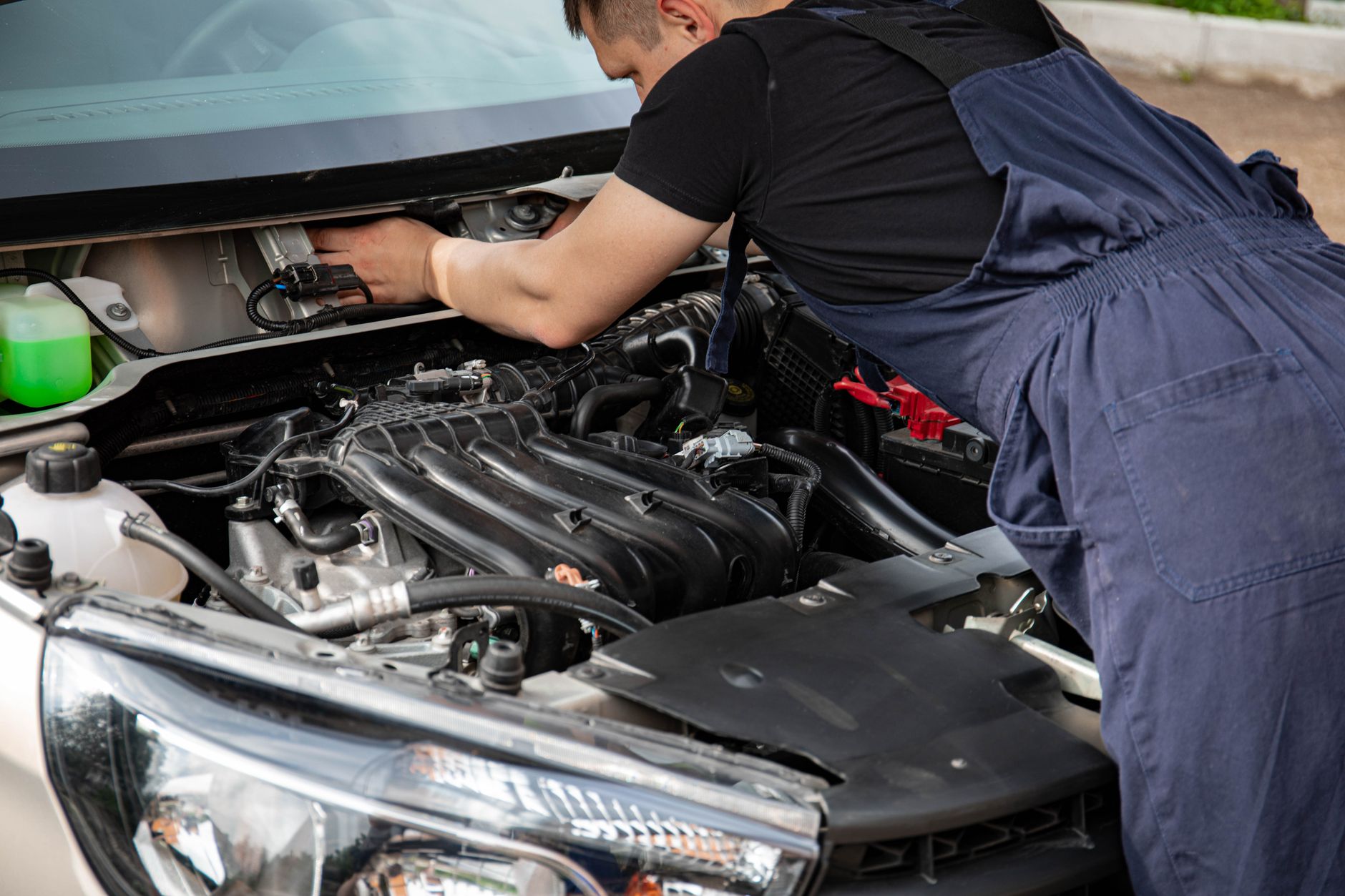
What about fluids beyond oil? I checked coolant level, power steering fluid, brake fluid, and washer fluid. The washer fluid is especially critical if you’re driving through bug-heavy areas.
I learned that lesson the hard way after 500 miles of squashed insects creating a semi-opaque film on my windshield.
Visual Inspection: The Things You’ll Kick Yourself for Forgetting
Once the fluids are sorted, I do a full walk-around. It overlaps with the maintenance step, but I consider it a second chance to catch stuff.
Start with the lighting: headlights, taillights, brake lights, turn signals, reverse lights. A burnt-out bulb won’t stop your car, but it can get you pulled over or cause a rear-end collision. I always carry a spare set of bulbs for the car.
For the R32, that means H7 low beams and 1156/1157 taillight bulbs. Know what your car takes and buy a $10 pack on Amazon.
Check the spare tire. This is the step that catches most people off guard. On my R32, there’s no spare from the factory; they came with a tire repair kit and an air compressor.
But that repair kit won’t help if you get a sidewall puncture. So I threw a full-size spare wheel and tire in the trunk. It fit, barely, but it beat being stranded.
I also test the heat, A/C, and any heated seats. If you’re heading to colder climates, working heat is non-negotiable. And if you’re going somewhere hot, a broken A/C can turn a seven-hour drive into seven hours of suffering.
I made the mistake of not testing my A/C before a summer trip once. The compressor was seized. $1,200 fix. Test everything a week out so you have time for repairs.
Paperwork and Route Planning – Boring but Potentially Lifesaving
This is the least exciting part of road trip prep, but it’s the one that can save you the most money and hassle.
Make sure your insurance card and registration are in the car. Not just in your wallet, not on your phone, but physically in the glove box.
I’ve seen people get tickets because they couldn’t produce the documents. Also, if you have roadside assistance (AAA, or your insurance’s version), double-check the membership number and know the number to call.
I also print out a copy of my route, the actual directions, not just a digital map on my phone. I know, it sounds ancient. But when you’re in a dead zone with no cell signal, a printed route gets you to the nearest gas station.
I share my route with someone who isn’t coming on the trip. That way, if I don’t check in at a certain time, they know where to start looking.
Packing the Right Tools and Supplies (Without Overstuffing)
Here’s where I see people go wrong. They either bring nothing, or they bring everything, including a floor jack and a full socket set for an engine rebuild they’ll never do. You need to strike a balance.
Think about the repairs you can realistically do on the side of the road: a loose battery terminal, a blown fuse, a flat tire, a small coolant leak, a burnt-out bulb. That’s it. You are not going to replace a timing belt at a rest stop.
For my R32, I packed:
- Basic hand tools: ratchets, sockets, combination wrenches, screwdrivers. Because the R32 has Torx and triple-square bolts, I threw in a bit set specifically for those.
- A 17mm socket for the lug nuts (paired with a compact impact gun, optional but nice).
- A lithium-ion jump pack (and I made sure it was fully charged). The last time I went to use mine, it was dead. Learn from my mistake–charge it the night before.
- Jumper cables as a backup.
- A flashlight (actually, I brought three).
- Fold-out warning triangles for roadside visibility.
- Extra fluids: a quart of 5W-40 oil, a jug of coolant, and a bottle of power steering fluid. I keep these sealed so they don’t leak.
- Glass cleaner and a microfiber rag. Bugs accumulate fast.
- Disposable gloves – you don’t want to get brake dust and coolant all over your hands.
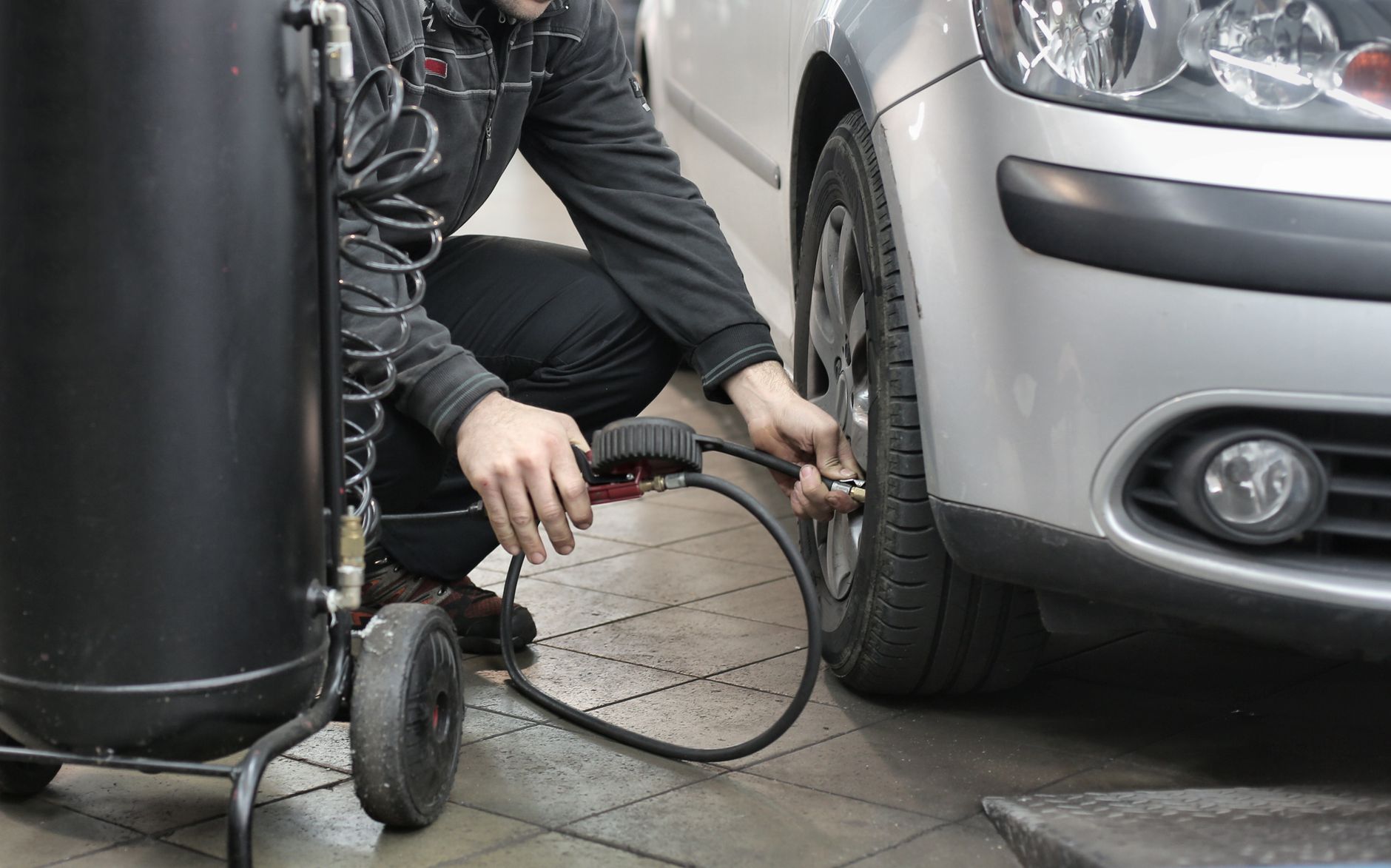
- A tire pressure gauge. Don’t trust the ones at gas stations.
- A small air compressor that plugs into the 12V port. It’s saved me twice when I had a slow leak.
If you drive a Toyota Camry or a Honda Accord, your tool list can be shorter, fewer specialty bits, simpler parts.
If you drive a BMW or a Mercedes, add a 10mm socket (probably needed five times over) and a set of E-Torx sockets.
I also bring a first aid kit. Not a fancy one, just a basic kit with bandages, antiseptic wipes, pain relievers, and a tourniquet. You can get a decent kit for $15.
A note about packing: I load the trunk so that nothing slides around when I take a corner. That loose fluid bottle becomes a projectile in a panic stop. Use duffel bags, tie-downs, or even a cargo net.
I also try to keep the trunk as low-profile as possible. Out-of-state plates already draw attention. A trunk full of stuff screaming “steal me” is asking for trouble.
Final Pre-Drive Check: The 10-Minute Ritual
The morning of the trip, I do everything again. Check oil, coolant, brake fluid, power steering, and washer fluid. Walk around the car and check tire pressures cold. Look at the tread depth. Check the spare tire pressure too.
I do this even if I checked the same things three days ago. It takes ten minutes, and it catches the one slow leak that developed overnight.
On a recent trip, I found a screw in my rear tire during that final check. Fixed it with a plug kit in the driveway instead of on the side of I-65.
Fuel, Fuel Additives, and the Dirty Truth About Carbon Buildup
A lot of people ask me about fuel quality before a long trip. Here’s my take: use the octane your car’s manufacturer recommends.
If your owner’s manual says 87, you don’t need premium. If it says 91 or 93, don’t downgrade to save a few cents. On a long trip, especially under sustained load (highway cruising in hot weather), detonation can cause engine damage. Don’t risk it.
Now, about fuel additives. The new Shell V-Power Nitro+ formulation (and similar high-detergent fuels from other brands) contains additives that help keep injectors clean and prevent carbon buildup on piston crowns.
But here’s the thing: modern direct-injection engines don’t get fuel wash on their intake valves; fuel never touches those valves. So no fuel additive will fix carbon buildup on the back of the intake valves.
That’s a physical cleaning job (media blasting or walnut shelling). But on port-injected cars like my R32, those detergents do keep the intake valves clean, which helps maintain fuel economy and performance over time.
For a road trip, I fill up with a top-tier gasoline (Chevron, Shell, BP, Costco, etc.) before hitting the road. It’s not magic, but it reduces the chance of deposits building up during 10+ hours of steady driving.
And for the love of your car, don’t buy fuel from no-name stations in the middle of nowhere if you can help it. Some of those places have water in their tanks or lack proper detergents.
On the Road: What I Learned From 1,100 Miles in an R32?
Over the course of that trip, I put 1,100 miles on a 20-year-old car with stiff suspension and no sound deadening. It was loud, the A/C struggled in traffic, and I had to dodge potholes like a video game. But it made the whole drive without a single breakdown.
What surprised me most? Fuel economy. That old 3.2L VR6 engine, with 240 horsepower and all-wheel drive, returned an average of 25.0 miles per gallon.
For a car that was never known for efficiency, that’s solid. And it was because the car was well-prepped: fresh oil, clean air filter, properly inflated tires, and a light foot (mostly).
The other thing I’ll remember? The bug guts. By the time I reached Cincinnati, the windshield was a Jackson Pollock painting of insect remains.
That’s where the glass cleaner and rags came in handy. I cleaned the windshield and headlights at every fuel stop to maintain visibility.
And one more piece of experience: pack your car so that you can access the spare tire and tools without unpacking everything.
I’ve seen people on the side of the road with their suitcases scattered across the shoulder because they buried the jack under three bags of clothes. Put the tools and spare last, or in a dedicated side compartment.
Frequently Asked Questions (FAQ)
1. What if my car is due for a timing belt service right before the trip? Should I do it or risk it?
Do it. Timing belt failure is catastrophic for most engines (valves meet pistons, goodbye engine). If you’re within a few thousand miles, have it replaced before the trip. It’s expensive, but a new engine is more expensive. My rule: if the belt is due within 5,000 miles, I do it before any trip over 1,000 miles.
2. I have a modern car with no spare tire–just a repair kit. What should I bring on a long road trip?
Buy a spare tire. Seriously. Tire repair kits can’t fix sidewall punctures or large gashes. You can get a compact spare from a junkyard for $50–100, or buy a modern space-saver spare kit for about $200. Even a donut spare is better than nothing. I’ve used my spare twice on trips, and both times the repair kit would have failed.
3. Is it worth buying premium fuel if my car doesn’t require it?
No. Use the fuel recommended by your manufacturer. Higher octane than needed provides no benefit. It won’t clean your engine better (detergent levels are independent of octane), and it won’t increase horsepower. You’re just burning money. If you want better detergents, choose a top-tier fuel brand regardless of octane.
4. I’m about to drive 2,000 miles. Do I need to change my transmission fluid before the trip?
Only if your transmission is known to be sensitive to old fluid or your maintenance schedule calls for it. If the fluid is due in the next 10,000 miles, you’re fine. That said, if your transmission is already shifting poorly, don’t hope the trip will fix it. Get it diagnosed.
