

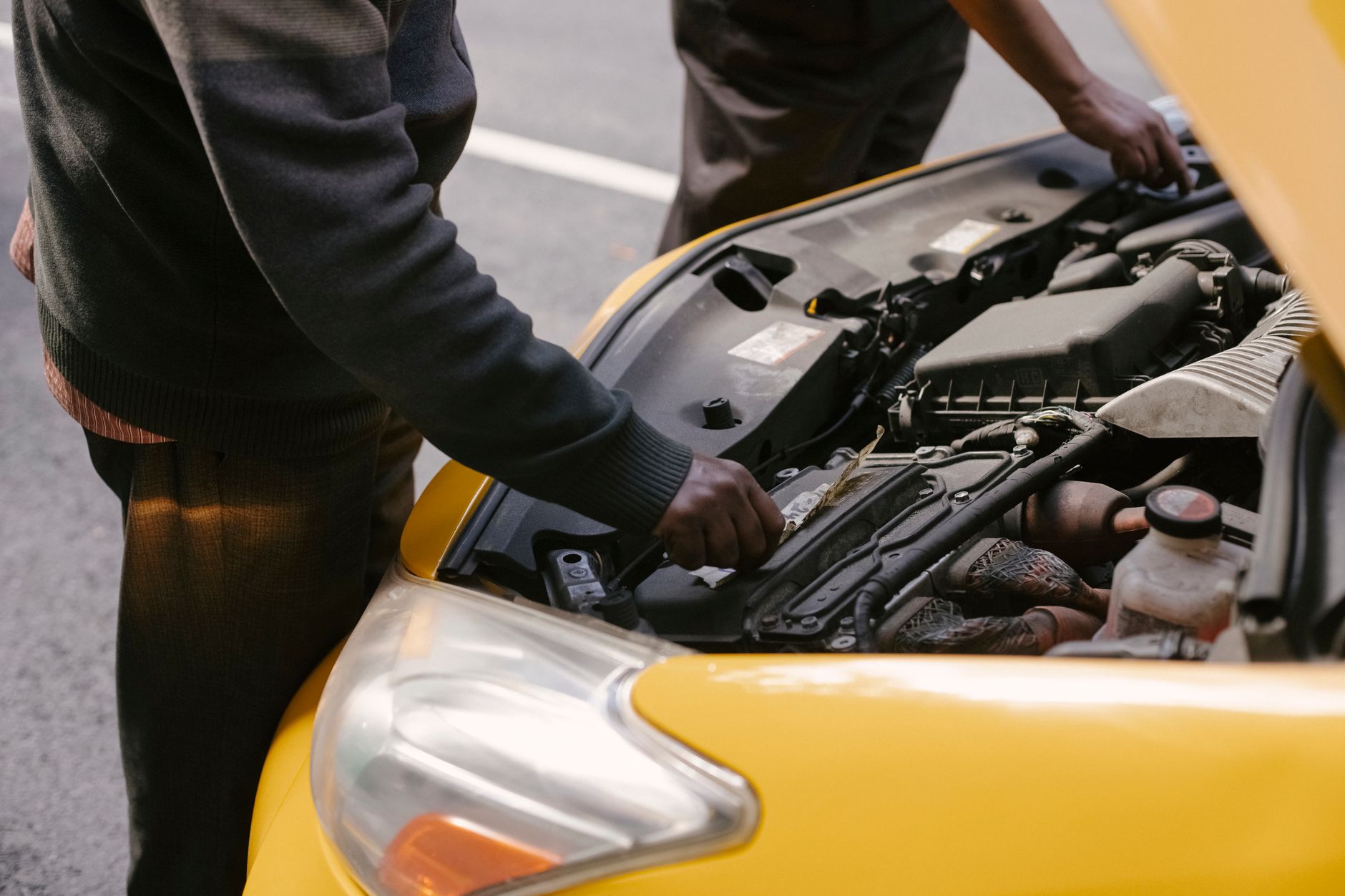
I’ve been turning wrenches for over fifteen years, and one thing I can tell you without hesitation: most of the money people spend on car repairs is completely avoidable.
It’s not the big mechanical failures that empty your wallet; it’s the small, repeated maintenance mistakes. The kind you can fix with a $5 tool and ten minutes on a Saturday morning.
Mistake #1: Ignoring Tire Pressure (and the Spare)
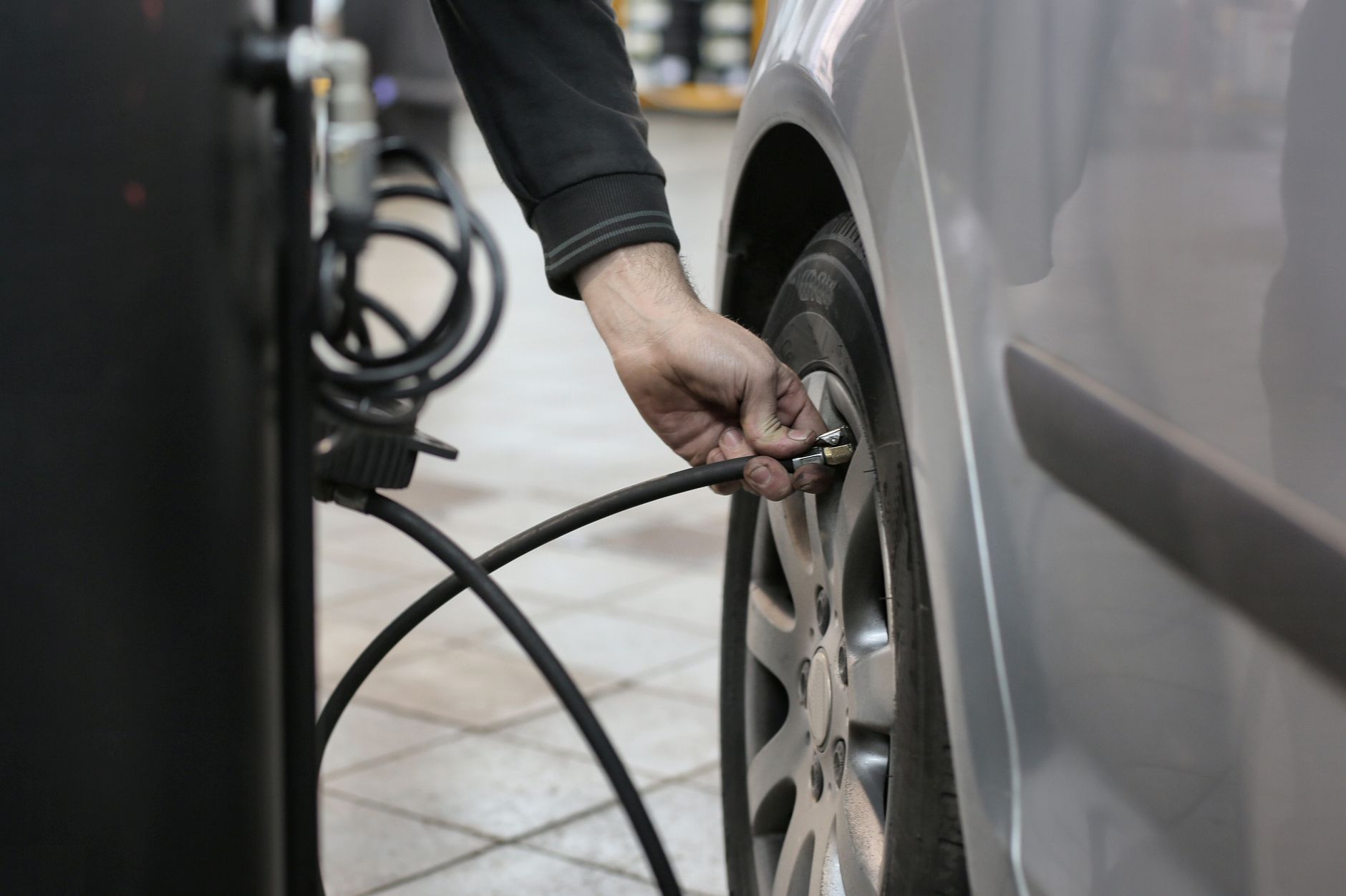
Your entire car rides on four spots the size of a dinner plate. Those spots are your tires. That’s how important they are. Yet I constantly see people roll into my shop with tires so low they’re nearly flat, then complain about poor fuel economy or a slow leak they’ve been ignoring for weeks.
The mistake: Trusting your eyes to judge tire pressure. You can’t. A tire can be 10 psi low and still look fine. The only reliable way is a gauge.
The fix: Check pressure monthly. Look at the sticker inside your driver’s door—it tells you the correct pressure for front and rear tires (often 32–35 psi for most cars). Don’t use the number printed on the tire sidewall; that’s the maximum, not the recommended.
The spare tire trap: I once had a customer pull into the shop after getting a flat on the highway. She swapped to the spare, drove ten miles, and that spare was also flat.
It had been sitting at 20 psi when it should have been at 60. Check your spare every time you check the others. A flat spare is worse than no spare at all.
While you’re at it, look for cracks, bulges, or nails in the tread. And if you notice a tire losing air slowly, find the leak now, not when you’re on the shoulder in a rainstorm.
Mistake #2: Overlooking Simple Fluid Checks
I’ll never forget the time a friend of mine brought in a car that was “overheating for no reason.” The coolant reservoir was bone dry, and the oil was black and gritty. He hadn’t looked under the hood in two years.
The mistake: Only checking oil when the warning light comes on. Most people don’t know there are five or six fluids that need regular attention.
The fix: Make a quick visual check part of your monthly routine same day you check tire pressure.
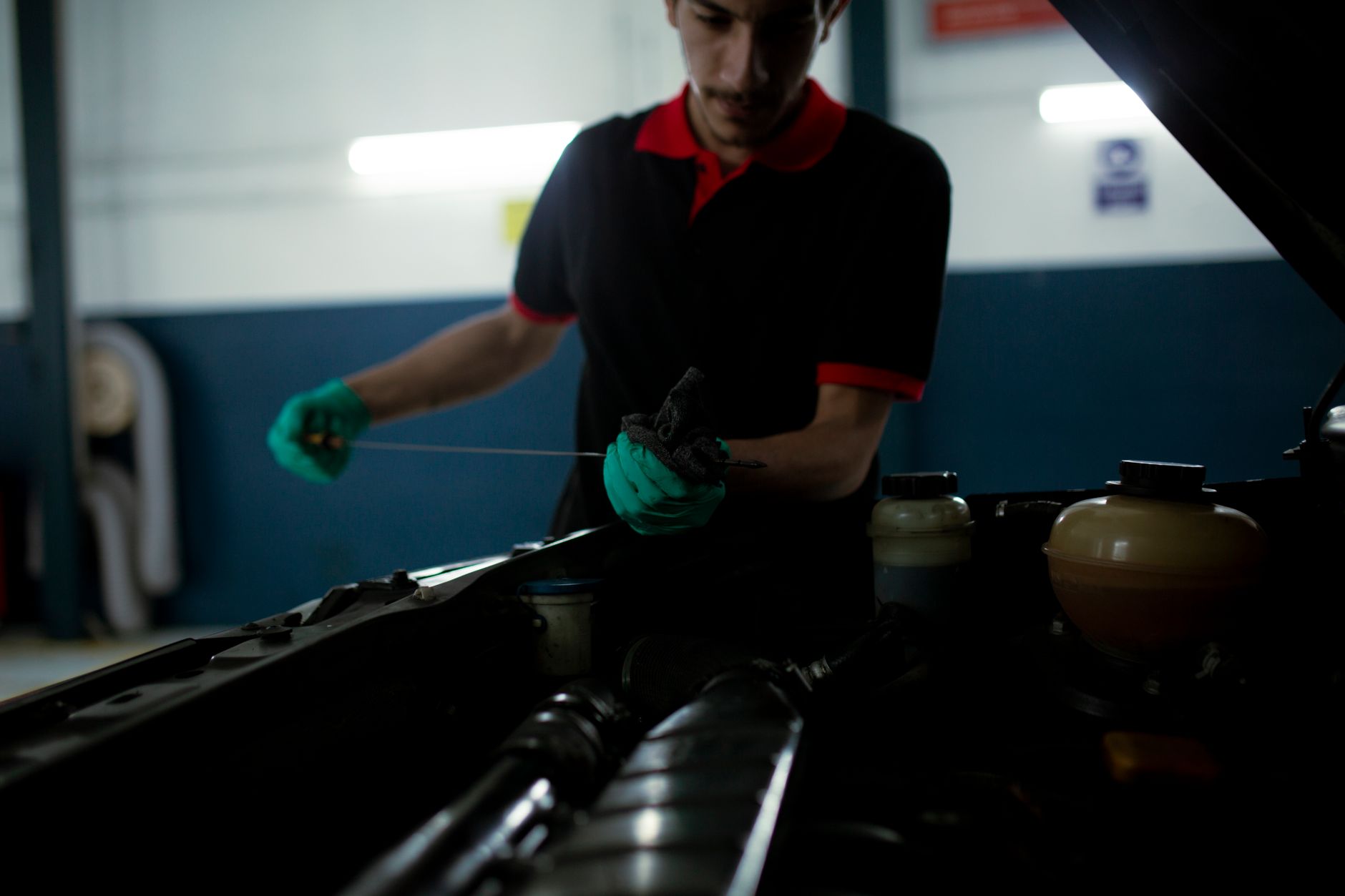
- Oil: Check when the engine is cold, first thing in the morning. Pull the dipstick, wipe, reinsert, pull again. The level should be between the two marks. Look at your oil cap; it tells you the correct viscosity (e.g., 0W-20 for many modern Toyotas). Use exactly what it says.
- Coolant: Never open the radiator cap when the engine is hot. You risk serious burns. Instead, check the overflow reservoir. The level should be between min and max. If it’s low, that’s a sign of a leak or a failing head gasket. Don’t just top it off and forget it.
- Brake fluid: The reservoir has a max and min line. Brake fluid doesn’t burn off like oil. If it’s low, you likely have worn brake pads. That’s a direct indicator you need to inspect your brakes.
- Transmission fluid: This one is tricky. Some cars have dipsticks, some don’t. Check your owner’s manual for the correct procedure: some require the engine running, some require it off, and usually it must be at operating temperature. If you’re confused, ask a mechanic. But don’t ignore it.
Mistake #3: Not Inspecting Belts and Hoses
A serpentine belt can snap without warning, leaving you with a dead battery, no power steering, and an overheating engine. Replacing a belt is cheap. Replacing an engine after it overheats is not.
The mistake: Assuming belts and hoses last forever. They don’t. Heat and age turn rubber into dry, cracked junk.
The fix: Every time you open the hood, shine a light on the drive belts. Look for cracks, fraying, or a shiny glazed surface. Also, run your fingers along the underside of the belt if you can safely reach it (engine off, cool). Any missing chunks mean replacement is overdue.
Hoses: Squeeze them gently. They should feel firm but not rock hard. If they’re spongy, bulging, or cracked near the clamps, they’re going to blow soon. A 30-minute hose replacement will save you from a tow truck later.
Mistake #4: Ignoring Leaks Until It’s Too Late
Leaks never get better by themselves. They only get worse. But most people wait until a puddle appears on the driveway before they even think about it.
The mistake: Not checking for leaks until they’re obvious. By then, you’ve often lost enough fluid to cause internal damage.
The fix: Once a month, poke your head under the car. Look for drips, wet spots, or crusty residue. If you’re not sure whether a leak is coming from your car, slide a piece of cardboard underneath the engine and transmission area overnight. In the morning, pull it out.
If you see oil, coolant, or transmission fluid spots, you know you have a leak—and how bad it is.
I had a customer whose power steering fluid was leaking at a rate of about an ounce a week. He ignored it for three months, then the pump seized. That $200 pump replacement could have been a $5 O-ring if he’d caught it early.
Mistake #5: Never Reading the Owner’s Manual
I’ll admit, it’s not the most exciting read. But the owner’s manual contains the single best maintenance schedule for your specific car, written by the engineers who designed it.
Nobody knows better when to change fluids, what type to use, and what intervals to follow.
The mistake: Following “general” advice from online forums or the 3,000-mile oil change myth that’s been pushed for decades.
The fix: Pull out your manual. Look for the maintenance chart. It will tell you exactly when to change oil, transmission fluid, coolant, spark plugs, and filters. Many modern cars with synthetic oil can go 7,500–10,000 miles between changes. But only the manual knows your car’s particular specs.
One tip I picked up from a viewer a few years back: go to your local mechanic and ask, “What issues have you seen on my model?” Mechanics see the same problems day after day. If they know a certain belt tends to fail at 60,000 miles, you can replace it early. Bring them a box of donuts—they’ll talk your ear off.
Mistake #6: Relying on Your Eyes Instead of Tools
Your eyes are great for spotting a flat tire from across the parking lot. They’re terrible for measuring tire pressure, tread depth, or battery health.
The mistake: Judging tire pressure by looking, or thinking a battery “looks fine” because there’s no corrosion.
The fix: Buy a $10 tire pressure gauge and keep it in the glove box. That’s non-negotiable. Also, pick up a tread depth gauge or use the penny test: insert a penny into the tread with Lincoln’s head down. If you can see the top of his head, your tread is below 2/32,” and it’s time to replace.
For the battery, clean the terminals if you see white or blue corrosion. A baking soda and water mixture on a toothbrush works great.
Even if the battery looks clean, have it load tested once a year—especially before winter. A battery that dies at 20°F might pass a visual check in July.
Mistake #7: Skipping the “Listen and Smell” Test
Most of the time, your car tells you something is wrong before it fails. You just have to be paying attention.
The mistake: Driving with the radio always on, or ignoring a new noise because “it’s probably nothing.”
The fix: Once a week, take a short drive with the radio off and the windows up. Listen for:
- Squeaks or squeals when braking: could be worn pads or glazed rotors
- Clunks when going over bumps: could be loose suspension components
- Whining from the transmission: might be low fluid
- A burning smell: could be an oil leak hitting the exhaust or a dragging brake
Also, pay attention to how the car feels. Does it pull to one side when you brake? That’s uneven brake wear or a stuck caliper. Does the steering wheel vibrate at highway speeds? That’s usually an unbalanced tire or a bent rim.
I had a friend who heard a faint grinding noise every time he turned left. He ignored it for two weeks. The noise turned out to be a CV joint that had lost all its grease. The repair went from a $100 boot replacement to a $500 axle assembly.
Frequently Asked Questions
How often should I check my tire pressure?
At least once a month, and before any long road trip. Tires naturally lose about 1 psi per month. Also, check the spare; it can lose even faster because it’s often ignored.
What does it mean if my brake fluid is low?
Brake fluid does not burn off like engine oil. Low brake fluid almost always means your brake pads are worn down. As the pads get thinner, the caliper pistons extend further, which pulls more fluid from the reservoir. Have your brakes inspected immediately.
Can I open the radiator cap when the engine is hot?
No. The cooling system is under pressure when hot. Removing the cap can release scalding steam and coolant, causing severe burns. Always check the overflow reservoir; only open the cap when the engine is completely cool (several hours after shutdown).
My car is not leaking oil, but the dipstick shows low. What gives?
Some modern engines burn a small amount of oil as part of normal operation, especially turbocharged models. Check your owner’s manual for the recommended oil change interval. If you’re burning more than a quart between changes, have the engine inspected for worn valve seals or piston rings.
Is it worth buying a pressure gauge for the spare tire?
Spares are often stored in the trunk or under the vehicle, where temperature changes are extreme, and they lose pressure faster. A $5 gauge can save you from being stranded with a useless spare.
The goal of maintenance isn’t to become a mechanic. It’s to find small problems before they become big ones. Ten minutes and a little curiosity each month will save you hundreds, probably thousands of dollars over the life of your car.
