

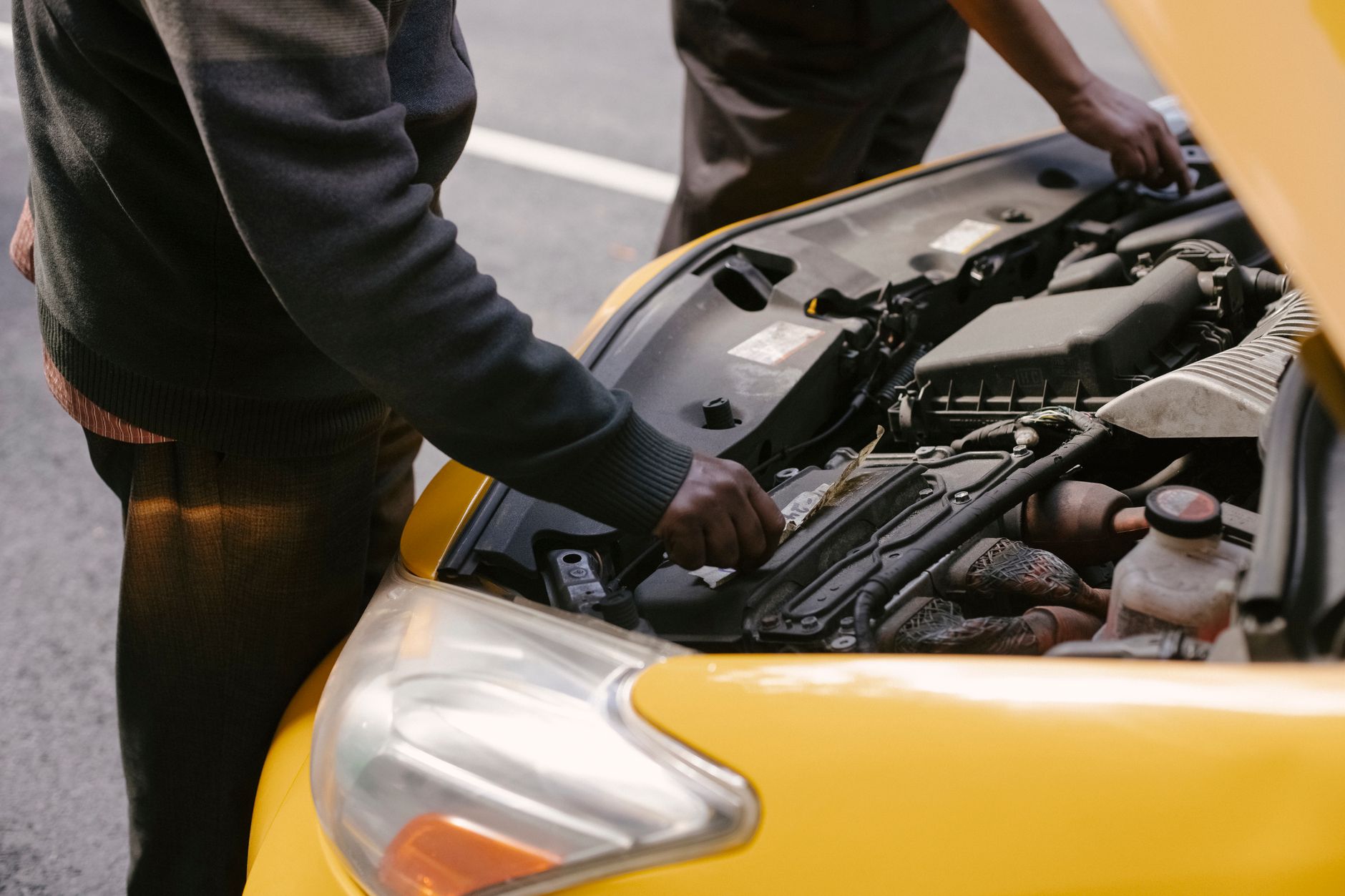
Why Some Engines Last 300,000 Miles and Others Die at 100,000
I’ve spent years working on cars, both my own and those of clients, and I’ve seen engines fail at 80,000 miles while identical models sail past 300,000 without a rebuild.
The difference isn’t luck. It’s a handful of daily habits and maintenance choices that are easy to get wrong, especially when the car’s manual seems to suggest you can ignore everything until the warranty expires.
The truth is, factory maintenance schedules are designed to cover the warranty period, not to maximize engine life. If you want your engine to last hundreds of thousands of miles beyond that, you need to be a little more proactive. Here’s what I’ve learned works in real-world conditions, whether you drive in city traffic, harsh winters, or desert heat.
Three things to do today to start extending engine life
- Warm up smartly – Start the car, buckle up, and drive gently for the first mile. Avoid revving above 2,500 RPM until the temperature gauge starts moving. Idling just wastes fuel and slows oil flow to critical parts.
- Shorten your oil change interval – Go by mileage, not the manual’s “long life” promise. 7,500 miles (12,000 km) for mixed driving, 5,000 miles (8,000 km) if you do lots of short trips. Use the exact viscosity and spec listed on your oil cap.
- Check your radiator fins – After winter, flush out the debris caught between the radiator, A/C condenser, and intercooler. A blocked radiator quietly overheats your engine and cooks the oil.
The Smart Warm-Up (Stop Idling)
One question I get all the time: “Should I let the engine warm up before driving?” The answer is yes, but not the way your dad did it. Idling for five minutes in the driveway is actually counterproductive.
The engine warms up much faster under a light load, driving gently down your street builds oil pressure and gets the lubricant circulating to tight tolerances more quickly than sitting still.
That first minute after a cold start is the most critical. The oil is thick, the clearances are tight, and the engine block heats unevenly. Your temperature gauge only measures coolant temperature, which lags behind the metal temperature of the cylinder head.
So revving it hard before that gauge moves is asking for wear. Keep revs under 2,500 RPM until you see the needle start to rise. By the time you’ve pulled out of your neighborhood and hit a main road, you’re probably ready to drive normally.
A friend of mine runs a fleet of delivery vans in a cold climate. He used to have them idle for 10 minutes every morning, and he was replacing engines every 120,000 miles.
Once he switched to a gentle drive-off strategy, those same vans started hitting 200,000 miles with no rebuilds. The fuel savings alone paid for the training.
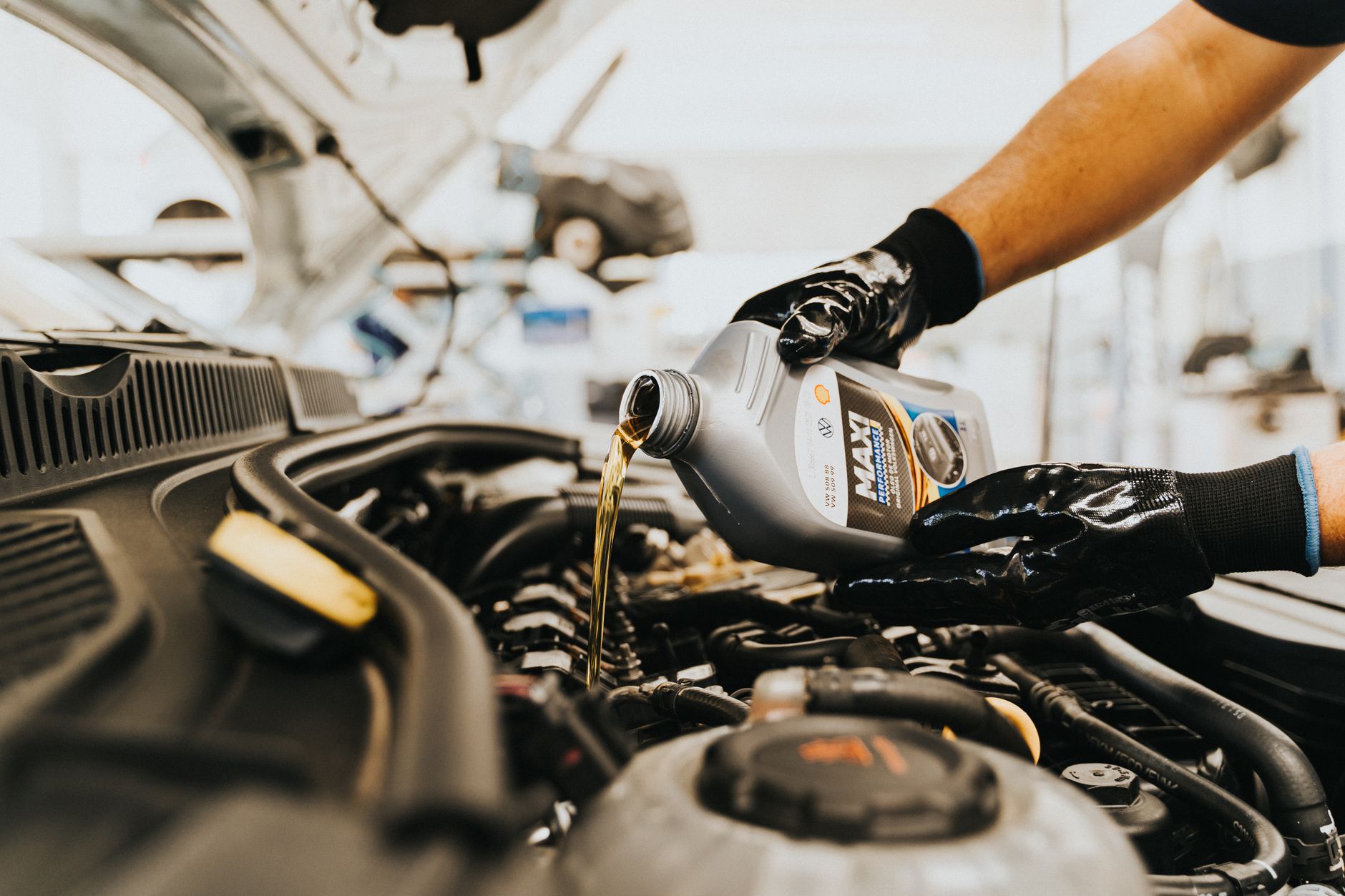
Motor Oil: The Single Biggest Factor
Half the battle for engine life is oil. But not just any oil, it has to be the right specification and viscosity, and it has to be changed more often than the dealer recommends.
I’ve pulled apart engines that looked brand-new inside at 200,000 miles because the owner religiously used the correct 5W-30 with the proper ACEA or ILSAC certification.
And I’ve seen 50,000-mile engines full of sludge because someone used a cheap off-brand “synthetic” that turned into varnish after 8,000 miles.
The first step is to ignore the marketing hype. “Full synthetic” means little if it doesn’t meet your manufacturer’s approval codes.
Look on your oil filler cap or in the owner’s manual for the exact standard (like ACEA A3/B4 or API SP). Then buy from a trusted supplier; there are counterfeit oils in circulation that can quietly ruin an engine.
I always ask for a batch certificate if I’m uncertain about a supplier. It’s a simple request that most reputable sellers will provide.
How often should you change oil?
Factory intervals have been stretched for environmental and marketing reasons. Even a premium synthetic begins losing its additive package after about 6,000 miles (10,000 km). Oxidation, varnish, and depleted detergents start accumulating.
My rule of thumb: change every 9,000 miles (15,000 km) if most of your driving is highway, and every 6,000 miles (10,000 km) if you’re mostly in city traffic or making short trips.
Diesel engines can sometimes go a bit longer, but they’re also more prone to sludge if old oil gets neglected.
First warning signs of overdue oil:
- Increased oil consumption (you’re topping off more often)
- Varnish or dark sludge under the oil filler cap
- The engine sounds slightly louder or tappety
If you see any of these, do an oil change immediately and consider a flush if the varnish is heavy.
Cooling System Neglect Kills Engines Slowly
Modern gasoline engines run coolant temperatures above 200°F (100°C) to improve efficiency and emissions.
That’s fine as long as the cooling system works perfectly. But the higher temperature also accelerates oil aging and seal wear. So keeping your engine cool is not just about preventing overheating; it’s about preserving oil life and gasket integrity.
The most overlooked part is the radiator. Dirt, pollen, leaves, and dead insects get packed between the main radiator, the A/C condenser, and (if you have one) the intercooler. After a winter of road grime and spring pollen, that buildup can reduce cooling efficiency by 20% or more.
I’ve seen brand-new radiators that look pristine from the front but have a solid layer of fluff on the backside. A gentle rinse with a hose from the backside—being careful not to bend the fins—can restore airflow.
One customer came in complaining that his coolant temperature crept higher on hot days. I pulled the radiator and found a mouse nest between the condenser and radiator.
A thorough cleaning brought temps back to normal, and we saved an engine that was likely headed for head gasket failure within a year.
Thermostat and ECU maps: Always use a properly functioning thermostat. Some people remove them, thinking it helps cool, but it actually causes erratic temperature swings that confuse the ECU and increase wear. If your car has a coolant temperature sensor and the ECU uses it for fueling, make sure the system is stock or correctly calibrated.
Filters and Spark Plugs: Don’t Cheap Out
I see people try to save $5 on an oil filter, then end up with a collapsed filter that starves the engine of oil pressure.
The same goes for air filters. Replace your oil filter every oil change (obviously), and replace the air filter every 12,000 miles (20,000 km) or more often if you drive on gravel roads.
Spark plugs are another place where cheap parts cost you. Worn plugs cause misfires, which dump unburned fuel into the exhaust, overheating the catalytic converter and eventually destroying it.
Use only plugs that match the manufacturer’s specifications for heat range and electrode gap. I’ve seen a customer install “universal” plugs that were one range too cold, and within 10,000 miles, the engine had a misfire that warped a piston.
Diesel engines need their fuel filter changed every 20,000–30,000 miles, especially if you’re in a region with questionable diesel quality. A clogged fuel filter can cause the injection pump to cavitate, which is a very expensive failure.
Fuel Quality Is an Investment, Not an Expense
If you want to extend engine life, this is the place where many people make their biggest mistake. Cheap fuel, whether gasoline or diesel, can damage your engine in ways that are silent until it’s too late.
For gasoline engines, low-octane fuel in a car that requires high octane causes detonation (knock). The engine’s knock sensor will try to retard timing, but it can only do so much. Persistent detonation cracks pistons, erodes cylinder walls, and scorches valves.
Always use the octane rating specified in your owner’s manual—don’t assume “regular is fine” just because the car doesn’t ping on the test drive.
For diesel, poor fuel quality clogs injectors and can cause a nozzle to stick open. A stuck-open injector sprays raw fuel into the cylinder, which doesn’t combust properly, washes oil off the cylinder walls, and can melt a piston crown.
I personally know a mechanic who saw a BMW diesel destroyed at 80,000 miles because the owner filled up at a cheap station that sold fuel with high water content.
The injectors corroded, and six injectors plus a new injection pump cost more than the car was worth.
Always fill up at stations that have high turnover that means fresh fuel with less time to absorb moisture. If you’re in a region where fuel quality is unreliable, ask for a batch quality certificate. It’s a standard practice in many countries, and a reputable station will have it.
Emissions Systems: What Actually Matters
Catalytic converters can easily last 200,000–250,000 miles (300,000–400,000 km) if the engine is running properly.
Their failure is almost always caused by something else: a leaking injector, a misfire, or dirty oil that gets burned and clogs the catalyst. Fix the root cause, and the converter lasts.
The EGR (exhaust gas recirculation) system doesn’t destroy engines by itself, but it can cause intake deposits, a mix of soot and oil that builds up on the intake valves and swirl flaps. On many diesel engines, cleaning the intake manifold every 90,000 miles (150,000 km) is good preventive maintenance.
Some people disable EGR entirely, but that should only be done with professional ECU recalibration, because removing EGR changes combustion temperatures and can damage the engine if not compensated for.
I’ve had customers ask me to gut the catalytic converter because they thought it was robbing power. In a properly running engine, the power loss from a healthy converter is negligible. Gutting it often makes the car run lean, which increases NOx and can overheat the valves.
If you have a problem with a plugged converter, fix the underlying issue first usually a misfire or an oil consumption problem.
Frequently Asked Questions
1. Is it really necessary to change oil more often than the manufacturer’s recommended interval?
Yes, if you want maximum engine life. Factory intervals are designed for warranty periods, not for longevity. The oil’s additive package degrades over time, especially with short trips, cold starts, or traffic. I recommend 5,000–7,500 miles (8,000–12,000 km) for most mixed driving. The small extra cost is cheap insurance compared to an engine rebuild.
2. What happens if I use cheap fuel once in a while?
One tank of poor-quality fuel is usually not catastrophic, but repeated use is. Modern engines rely on precise combustion and clean injectors. Cheap fuel can leave deposits that accumulate over time, leading to misfires, knock, or injector failure. If you must use a discount station occasionally, add a fuel system cleaner that contains PEA (polyether amine) to reduce deposits.
3. Does warming up the engine in winter really cause less wear than idling?
Yes. Idling allows the engine to reach temperature slowly, and the oil pressure is lower at idle. Driving gently under light load increases oil pressure and warms the engine more uniformly, reducing wear on bearings and piston rings. Just keep RPMs below 2,500 until the temperature gauge moves.
4. How do I know if my radiator fins are clogged?
You can check visually by looking through the front grille or removing the top cover. If you see leaves, fluff, or dirt packed between the radiator and the condenser, it needs cleaning. Another sign is a coolant temperature that rises faster than normal on hot days or when climbing hills. A simple spray from a garden hose (gentle stream, not pressure washer) can clear a lot of debris.
