

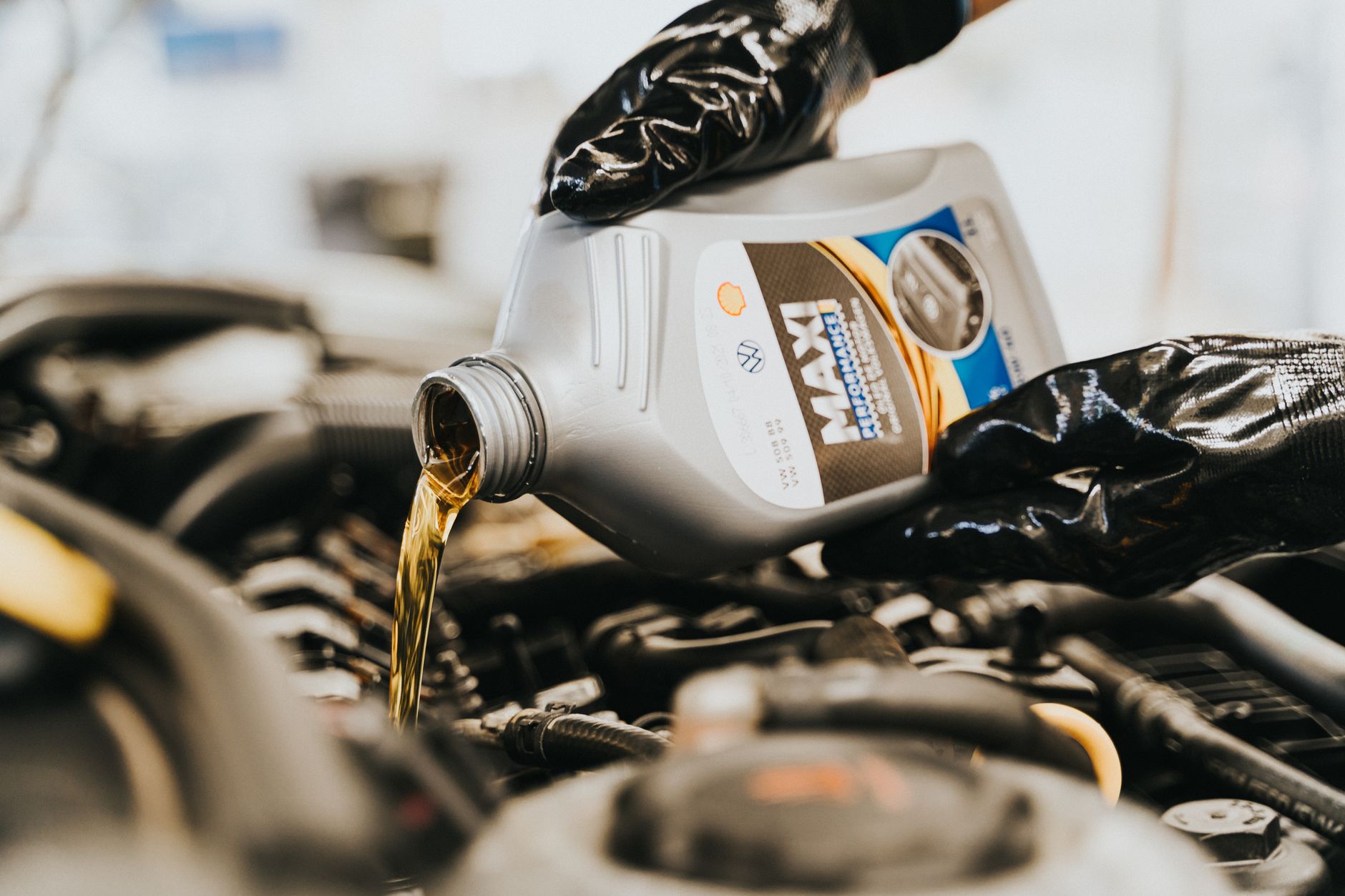
Why This One Maintenance Decision Matters More Than Any Other?
If you’ve ever stood in the auto parts aisle staring at rows of oil bottles, wondering whether to follow the owner’s manual or the 3,000-mile rule your dad taught you, you’re not alone.
I’ve had that conversation with dozens of friends, neighbors, and even fellow mechanics over the years. The confusion comes because there is no single correct interval for every driver.
What works for a leased Camry driven 12,000 miles a year on the highway is different from what’s needed for a 15-year-old Ford Ranger used for short trips to the hardware store. The car doesn’t know the difference – but the engine does.
The real question isn’t “how often should I change my oil?” It’s “how long do I plan to keep this car, and under what conditions will it run?” Once you answer that, the interval becomes nearly automatic.
The Three-Category System That Ends the Confusion
Before I dive into the numbers, let me clear up a common misunderstanding. Many people think we change oil because the lubricant wears out.
That’s only partly true. Modern oil, even conventional, can maintain its lubricating properties for a surprisingly long time. The real problem is contamination.
Every combustion cycle pushes a tiny amount of unburned fuel, water vapor, and combustion byproducts past the piston rings and into the oil pan.
Over time, that sludge, soot, and acidic moisture build up and start eating away at bearings, seals, and cylinder walls.
The oil filter catches the larger particles, but it can only do so much. Eventually, the oil becomes a thick, acidic mess that no longer protects your engine. That’s why we changed it.
So the question becomes: how much contamination can your engine tolerate before you change the oil? That depends on how long you plan to keep the engine, because contamination damage is cumulative.
Short-term owners can afford to let the oil get dirtier. Long-term owners cannot.
Here’s the system I’ve developed after years of working on engines and talking with other drivetrain specialists.
I break drivers into three categories based on how long they plan to own the vehicle and how many miles they expect to put on it.
Quick Decision Guide – Which Interval Fits You?
| If you plan to keep the car for… | And drive about… | Use this interval |
|---|---|---|
| 10+ years (or forever) | 250k+ miles | Every 3,000 miles / 6 months |
| 4–10 years | 100k–250k miles | Every 5,000 miles / 12 months |
| 1–4 years/lease | Under 100k miles | Follow owner’s manual (10–12k miles) |
Always replace the oil filter with every oil change. Synthetic oil can add roughly 1,000 miles to the interval, but don’t push it.
Category A: The Forever Car – 10+ Years, 250k+ Miles

This is for the car you plan to drive into the ground – or maybe even hand down to your kid. Maybe it’s a classic truck you’re restoring, or a reliable daily driver you intend to keep until the doors fall off.
If you’re aiming for 300,000, 500,000, or even a million miles, you cannot afford to cut corners on oil changes.
My recommendation: Change the oil and filter every 3,000 miles (about 5,000 km) or every 6 months, whichever comes first.
That might sound extreme in an era of 10,000-mile intervals, but here’s the reality: every extra mile you push beyond 3,000 allows more contamination to accumulate. At 3,000 miles, the oil still has plenty of life left in its additives, and the contaminants haven’t reached a critical level. You’re essentially “cleaning” the engine before it gets dirty.
Last year, a customer brought in a 2005 Toyota Tundra with 280,000 miles on it. He’d been changing the oil every 3,000 miles since day one, religiously.
When we pulled the valve covers, the inside of the engine looked brand new. No sludge, no varnish, no buildup.
That truck will easily see 400,000 miles. Compare that to a 2014 Ford Explorer with 90,000 miles that came in last week with a sludge-clogged oil pickup because the owner followed the manufacturer’s 7,500-mile interval for seven years. That engine is now on borrowed time.
If you use full synthetic oil in this category, you can stretch to 4,000 miles. But I wouldn’t go beyond that.
And don’t forget: even if you only drive 1,000 miles in six months, change it anyway. Moisture and acids accumulate from short trips, and time itself degrades the oil’s additive package.
Category B: The Solid Investment – 4–10 Years, 100k–250k Miles
This is the category that fits most people. If you plan to keep the car for half a decade or a decade, you’ll probably put somewhere between 100,000 and 250,000 miles on it, and you want it to be reliable without spending money unnecessarily.
My recommendation: Change the oil and filter every 5,000 miles (about 8,000 km) or at least once per year.
This strikes the best balance between protection and cost. At 5,000 miles, the oil still has good additive reserves, but you’re changing it before contamination becomes a serious problem.
Most modern engines running synthetic or synthetic-blend oil will tolerate this interval very well.
I’ve seen plenty of cars that followed a 5,000-mile schedule for 150,000 miles and still had clean internals.
Not showroom-clean like the 3,000-mile cars, but clean enough that the engine will easily go another 100k without major repairs.
One thing to watch: If you do a lot of short trips (less than 10 miles each way), or you drive in heavy stop-and-go traffic, or you live in a dusty or cold climate, you’re actually in a “severe service” situation.
In that case, I’d drop to 3,000–4,000 miles even in this category. The owner’s manual usually defines severe service – but most people ignore it. Don’t be one of them.
Category C: The Short-Term Relationship – 1–4 Years, Under 100k Miles
This category is for people who lease a car, finance it for three years, and plan to trade it in, or buy a car intending to sell it before it hits 100,000 miles.
You’re not worried about long-term durability because you won’t own it long enough to see the consequences of neglect.
My recommendation: Follow the manufacturer’s recommended interval in your owner’s manual. That’s usually 7,500 to 12,000 miles (10,000 to 20,000 km) or once a year.
Is that safe? Yes, for the length of time you’ll own the car. Manufacturers design these intervals assuming the car will be driven under ideal conditions and that the owner will follow a normal schedule.
You won’t void the warranty, and the engine will run fine for the first 50,000–80,000 miles. But don’t expect it to last 200,000 miles without problems.
I’ll be honest: I see engines with sludge issues that started because someone followed the 10,000-mile interval for 5–6 years and then decided to keep the car.
By the time the problems show up (oil consumption, timing chain wear, lifter noise), the car is out of warranty, and the engine is damaged.
So if you’re in this category, either stick to the plan and sell before 80k miles, or move up to Category B if you think you might keep it longer.
Common Myths That Keep Mechanics in Business
Over the years, I’ve heard every excuse in the book for stretching oil changes. Here are the three most dangerous ones, and why they’re wrong.
Myth #1: “I use synthetic oil, so I can go 15,000 miles.”
Synthetic oil does resist thermal breakdown better and can hold its viscosity longer. But it still gets contaminated with fuel, soot, and moisture.
A 15,000-mile interval means the oil has traveled the equivalent of half the Earth’s circumference while accumulating combustion byproducts. No synthetic oil can keep those contaminants from becoming acidic and abrasive.
You might get away with 10,000 miles on some highway-driven cars, but I’ve seen too many destroyed engines to recommend it.
Myth #2: “My car has an oil life monitor, so I just follow that.”
Those monitors are convenient, but they’re programmed with worst-case assumptions. They don’t measure actual contamination levels; they use an algorithm based on RPM, temperature, and time. I’ve seen monitors that say 30% life remaining when the oil is already pitch black and smelling of fuel.
Trust the monitor as a guide, but don’t treat it as gospel. If you’re in Category A or B, use it as a reminder to change at your chosen interval, not to delay.
Myth #3: “I only drive 4,000 miles a year, so I can change once a year.”
This one is tricky. If most of those miles are highway trips, once a year is probably fine. But if they’re short trips to the store and back, you’re doing the most damaging type of driving, the engine never fully warms up, so moisture and fuel never boil off.
In that case, you should change every 6 months regardless of mileage. I’ve pulled oil out of a car that only had 2,500 miles on it, but smelled like gasoline and looked like mayonnaise. That’s a recipe for bearing failure.
Synthetic Oil – Does It Really Buy You Extra Miles?
Yes, but the advantage is smaller than most people think. Synthetic oil has a wider temperature range, resists oxidation better, and flows better in cold weather.
That means it stays in grade longer and protects better during cold starts. But it cannot prevent contamination.
Based on my testing and discussions with oil chemists, switching from conventional to full synthetic might allow you to add about 1,000 miles to your interval.
So if you’d normally change at 3,000 miles with conventional, you can go to 4,000 miles with synthetic in Category A. For Category B, stretch from 5,000 to 6,000. But don’t double the interval – that’s a fast road to engine failure.
If you’re using a synthetic blend (a common upgrade), the benefit is smaller – maybe 500 extra miles. Not worth changing your schedule for.
The Oil Filter Question: Change It Every Time?
Yes. Always. I know some people try to save a few dollars by changing the filter every other oil change, but that’s a false economy.
The filter catches the particles that would otherwise circulate through your engine and cause wear. After 5,000 miles, a filter is often loaded with contaminants.
If you leave it in for another 5,000 miles, it can go into bypass mode, meaning unfiltered oil circulates. That’s exactly what you’re trying to avoid.
The cost of a quality oil filter is $5–15. The cost of an engine bearing replacement is $2,000+. Choose wisely.
Quick Reference for Any Situation
| Category | Ownership Duration | Expected Mileage | Oil Change Interval | Filter Change | Synthetic Bonus |
|---|---|---|---|---|---|
| A | 10+ years (forever) | 250k+ | Every 3,000 mi / 6 months | Every change | Stretch to 4,000 mi |
| B | 4–10 years | 100k–250k | Every 5,000 mi / 12 months | Every change | Stretch to 6,000 mi |
| C | 1–4 years (lease/short) | Under 100k | Per owner’s manual (10–12k mi) | Every change | Not recommended to extend |
| Severe Service (any category) | Short trips, dust, cold, towing | Varies | Reduce by 1,000–2,000 mi | Every change | Use synthetic for better cold protection |
Frequently Asked Questions
I only drive 5,000 miles per year. Should I change oil every 6 months or every year?
That depends on your driving patterns. If you do mostly highway trips (30+ minutes) and the oil gets fully hot each time, once a year is fine.
If you do lots of short trips under 10 miles, change every 6 months. Moisture and fuel dilution are the problem, not mileage.
Is it worth using synthetic oil if I’m following a 3,000-mile interval?
Synthetic oil offers better protection during cold starts and resists breakdown longer, even at 3,000 miles.
If you live in a cold climate or do a lot of short trips, synthetic is worth the extra cost. Otherwise, a good conventional or synthetic blend is sufficient for that interval.
My owner’s manual says 10,000 miles. Can I stretch to 15,000 miles if I use synthetic?
I strongly advise against it. Even with synthetic, contamination builds up. I’ve seen 15,000-mile oil changes that resulted in sludge and varnish buildup within 60,000 miles. If you want the engine to last beyond 100k miles, don’t exceed 10,000 miles – and if you do severe driving, cut that to 5,000–7,500.
Do I really need to change the oil filter every time? I’ve heard you can go two changes.
No. The filter removes particles that would otherwise cause wear. After one interval, it’s already partially clogged. Leaving it for another interval risks bypass mode.
The cost of a filter is trivial compared to engine damage. Change it every time.
What about engines that burn oil? Should I change more often?
Yes. If you’re adding a quart between changes, that fresh oil dilutes the contaminated oil slightly, but it doesn’t remove the accumulated sludge and acids.
Change at the shorter end of your category interval, and consider switching to a high-mileage oil that contains seal conditioners.
