

Why This Order Matters?
I’ve bought over 500 used cars from across the country and inspected thousands more. Most people walk onto a lot, start the engine, drive around the block, and sign papers.
That’s how you end up with a transmission that slips at highway speed or a hidden coolant leak that costs you $2,000.
The order you inspect matters. You want a cold start first, because a warm engine hides problems. Then you need the test drive before you look under the hood because the test drive can reveal vibrations, noises, and drivability issues that you won’t see with the car parked. After the drive, you sniff, scan, and stare.
That sequence catches 95% of the issues I see.
What do you need before you go?
- 1000-lumen flashlight – $20 on Amazon. Don’t use your phone’s light.
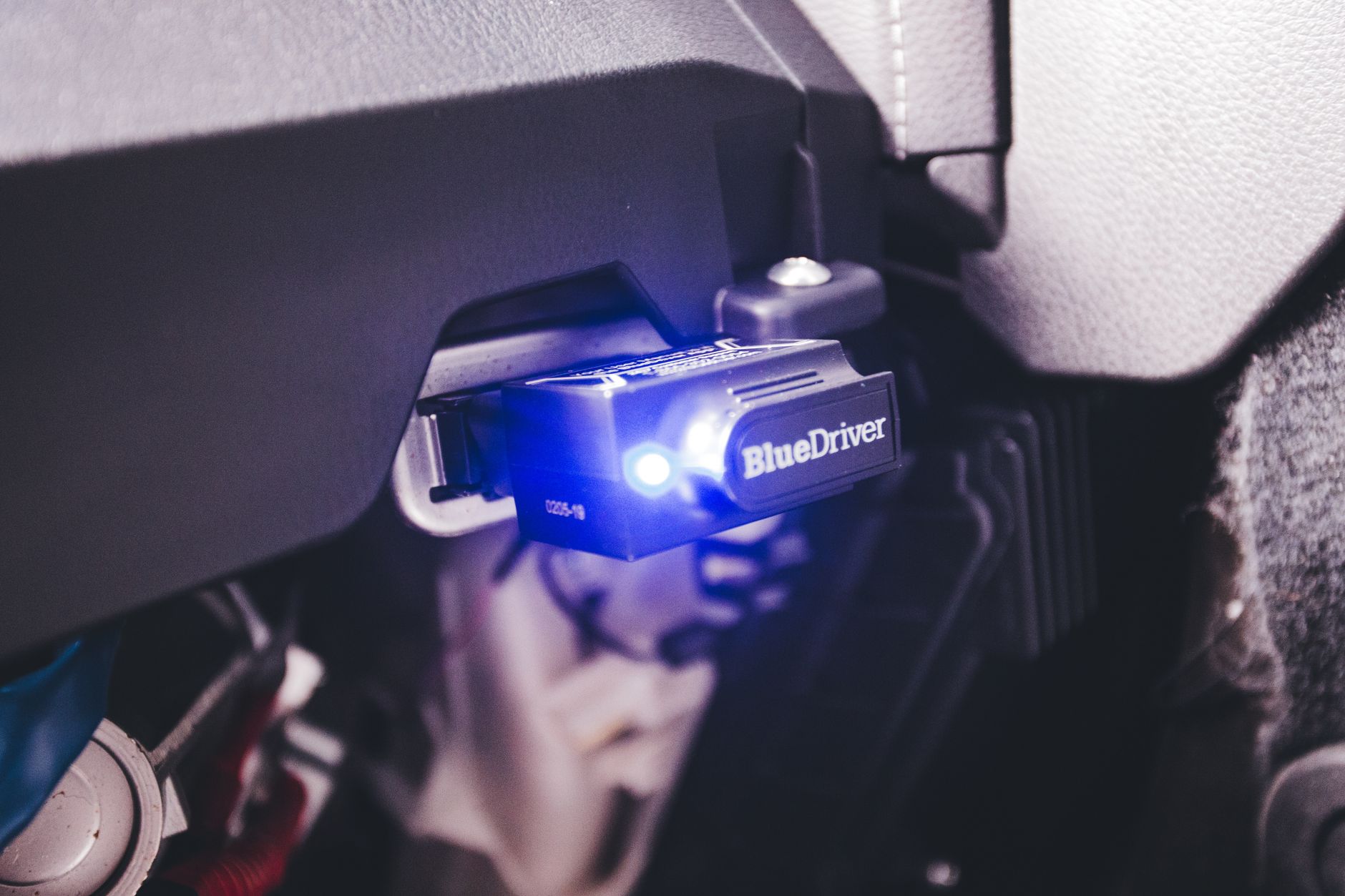
- Cheap OBD2 scanner – Under $30, Bluetooth or standalone. AVOID the expensive ones.
- Free inspection checklist – Download one online or make your own. I use a simple paper checklist.
- Phone camera – For taking pictures of brake pads and tire tread.
Upgrade threshold: If you’re spending over $15,000, add a pre-purchase inspection at a trusted shop (~$150).
Step 1: The Cold Start – Listen Like a Pro
A cold start means the engine hasn’t run for at least four hours. Overnight is ideal. Ask the seller not to start the car before you arrive. Don’t let them “warm it up for you.”
Why it matters:
- Cold engines make more noise. You can hear timing chain rattles, lifter ticks, or belt squeals that disappear once the engine is warm.
- With certain engines like Ford’s 3.5L Ecoboost or the old Triton V8, I’ve heard a rattle that turned out to be a failing phaser. That’s a $2,000 repair.
How to do it:
Stand outside the car, near the front bumper. Have the seller start the engine while you listen. Don’t be shy. You’re looking for:
- A high idle that slowly drops down (normal after a cold start in most modern cars).
- Any abnormal ticking, knocking, or squealing.
- Belt noise? Ask if it’s been replaced. A $20 belt can save you a headache.
Last summer, I looked at a 2015 Subaru Outback that sounded perfect after a 20-minute warm-up.
But on a cold start, it had a 2-second rattle. Turned out to be a cracked timing chain guide. The seller didn’t even know. I walked away.
Step 2: Gauges, Lights, and the Blue Coolant Light Trick
Once the engine is running, glance at the dashboard. You want to see:
- No check engine light (obvious).
- No ABS or airbag lights are staying on.
- All gauges sweep and respond normally.
On many Japanese cars (Honda, Toyota, Subaru), there’s a blue coolant temperature light that glows blue when the engine is cold and goes off when it’s up to temp.
A seller who didn’t warm the car up will have that blue light on. That confirms you got a genuine cold start.
Don’t test drive until that light is off (or the temp gauge is at normal). Cold transmissions shift harshly, and the engine isn’t fully lubricated. You’ll get a false sense of the car’s behavior.
Step 3: The 30-Minute Test Drive
Most people drive for 10 minutes around the block. That’s not enough. You need what’s called a drive cycle, a mix of city stop-and-go, highway cruising, and even a hill if possible.
Here’s what I do on every test drive:
- Start with 5 minutes of city driving. Listen for clunks when turning or braking.
- Get on a highway for 15 minutes. Accelerate to 65 mph and then coast down to 55. Feel for vibration in the steering wheel or seat.
- Find a parking lot and drive slowly in a tight circle in both directions. Listen for CV joint clicks.
- Test the brakes at moderate speed (40 mph to 0). No pulsing, no pull.
- If it has all-wheel drive, find a gravel lot and turn sharply. You can sometimes feel binding from a failing center differential.
Pro tip: Turn off the radio. Many people blast music to drown out squeaks. You want to hear every noise.
Step 4: OBD2 Scanner – Don’t Skip the Monitors
After the test drive, plug in your OBD2 scanner with the car off. Then turn the ignition to accessory mode (not engine running) and scan for codes.
What you’re looking for:
- No active codes: obvious.
- Monitors not ready: This is where beginners get confused. Your scanner will show “monitors” like the catalyst, oxygen sensor, and EGR. If the seller just cleared a check engine light, the monitors will show “not ready” because the car hasn’t completed a drive cycle. Some states require monitors to be “ready” for emissions. If you see three or more monitors as “not ready,” the car may have had codes cleared recently. Ask why.
- VIN match: Many cheap scanners can read the VIN from the ECU. Compare it to the VIN on the dashboard and door jamb. Car theft rings sometimes swap VINs. This saved me once on a 2018 Honda Accord that turned out to have a stolen VIN.
A friend bought a 2017 Ford Edge from a private seller. OBD2 showed no codes, but two monitors were “not ready.” He ignored it.
A week later, the check engine light came on catalytic converter code. The seller had cleared the light before the sale. Cost to fix? $1,800.
Step 5: Sniff Test and Visual Engine Bay Check
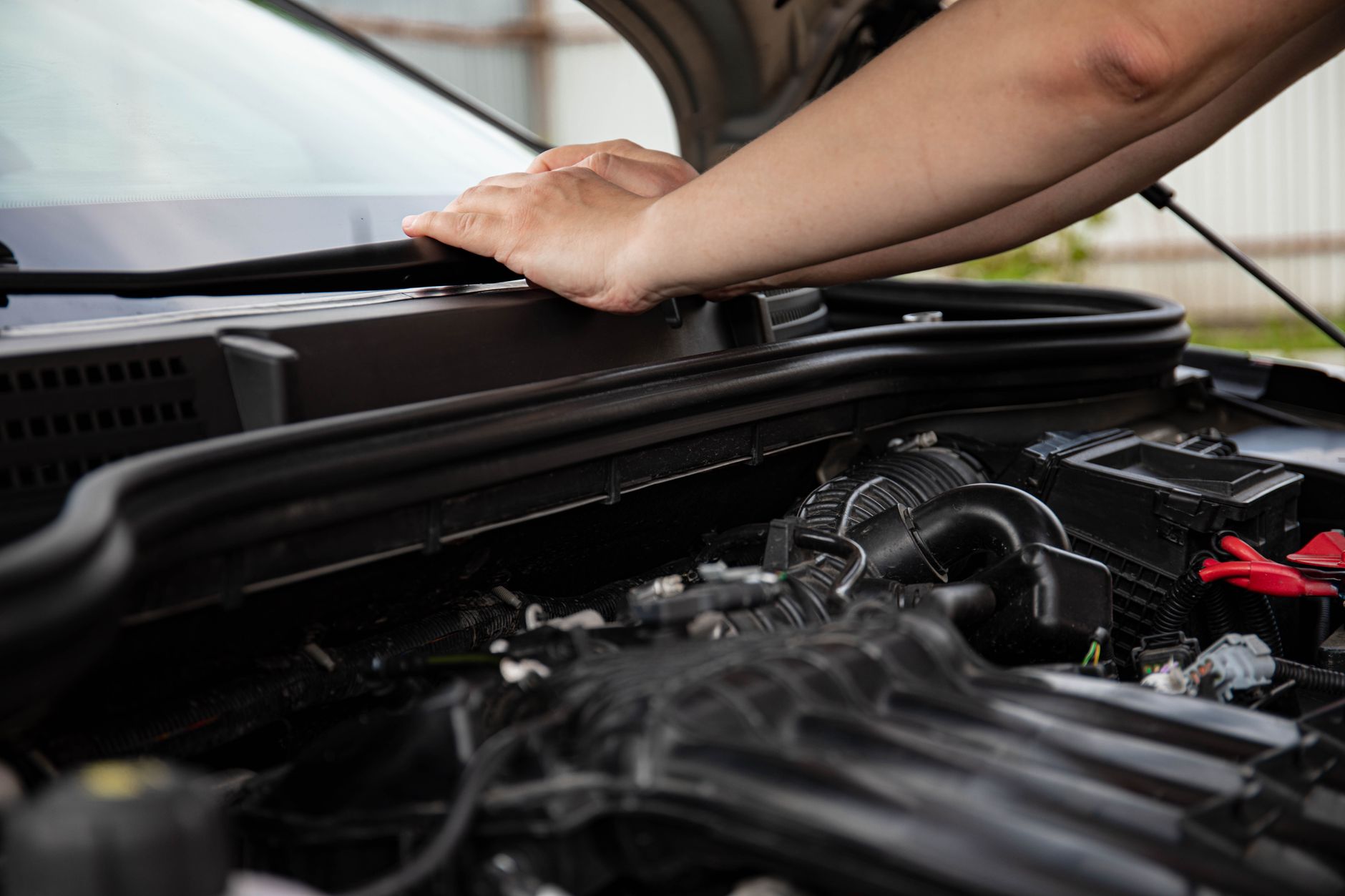
Open the hood after the test drive. The engine is warm, so any leaks will be active.
Sniff test:
- Burning oil: smells like hot metal and smoke.
- Coolant: sweet, syrupy smell. That’s a dead giveaway.
Visual inspection:
Even if you’re not a mechanic, you can spot 80% of leaks just by looking.
- Look for wet spots around valve covers, oil filter, and coolant hoses.
- Check the serpentine belt for cracks on the inner ribs.
- If there’s an engine cover, ask if you can pop it off. Subarus often hide oil leaks under engine covers.
- Shine your flashlight into every dark cavity. I’ve found oil pooling under intakes that looked clean from the top.
One thing most people skip: Look at the coolant reservoir. Is it low? Is the fluid rusty brown (instead of green, pink, or blue)? That can indicate head gasket issues or poor maintenance.
Step 6: Accident Damage – Look at Bolts, Seams, and Frame Rails
Carfax isn’t perfect. I’ve seen cars with clean Carfax reports but obvious body work because the accident was never reported. You need to check with your own eyes.
What to look for:
- Hood bolts: Factory bolts have paint that matches the surrounding metal. If the paint is chipped or the bolt looks scratched, the hood may have been replaced.
- Fender and bumper fasteners: Look for scrapes or mismatched paint at the edges.
- Pull back the trunk carpet: Look at the seams. Are they uniform and untouched? If you see seam sealer that’s cracked or different from the rest, that area was repaired.
- Frame rails under the hood: Use your flashlight to look for wrinkles, dents, or fresh paint on the metal. A crumpled frame rail is a total-loss car.
- Check for overspray: Open the fuel filler door and look at the paint inside the door jamb. If you see paint on the rubber seals or screws, the car was repainted.
I bought a 2019 Toyota Camry at auction with a clean AutoCheck. When I inspected it, the passenger side fender bolts had fresh scratches. Turned out the fender was replaced, but never reported. The car drove fine, but I knocked $1,500 off the price because the resale would be lower.
Step 7: Every Button, Every Switch – Interior and Electronics
After the test drive and engine bay check, sit in every seat and press everything.
Checklist:
- Power windows – each switch from each door
- Door locks – remote and manual
- Mirrors – adjust all directions
- Sunroof – open and close fully, listen for grinding
- Memory seats (if equipped)
- Heated seats – they take a minute to warm up
- Backup camera – is it aligned and clear? I’ve seen cameras that only work half the time.
Don’t forget:
- Turn on the A/C full cold and then full hot. In winter, test the A/C by stepping out; if the compressor doesn’t engage, you won’t know until summer.
- Put the car in reverse and check the backup camera and beeping sensors.
Trick: While the engine is running, turn the steering wheel lock to lock. If you hear a whine, power steering is weak. If it feels notchy, the rack may be worn.
Step 8: Brakes and Tires – The Quick Phone Trick
You can’t take a tire off during a test drive. But you can get a decent read.
Brakes:
- Look through the spokes. You can often see the brake pad on the outside. If it’s less than 1/4 inch thick, it’s near the end of its life.
- Phone trick: Hold your phone camera against the wheel and take a photo of the pad. Zoom in. I’ve used this method to check pad thickness on every car I buy.
Tires:
- Measure tread depth across all three grooves: inner, center, outer. Uneven wear means alignment or suspension issues.
- 4/32″ is the bare minimum. 6/32″ is acceptable. New tires have about 10/32″.
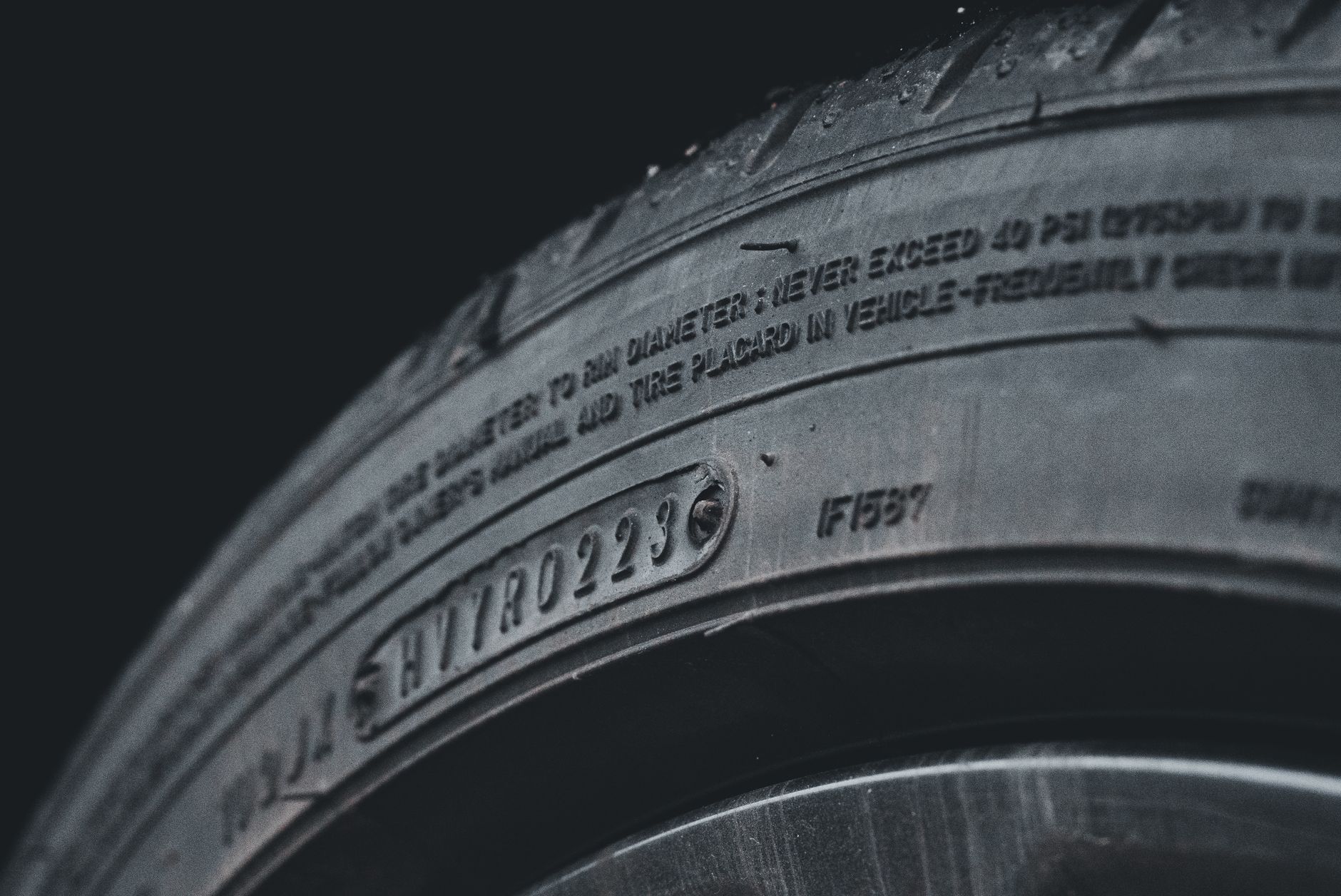
- Check the date code on the tire sidewall (last four digits of DOT code). Tires older than 6 years should be replaced regardless of tread.
On a 2021 Ford Explorer I inspected last month, the front tires had 8/32″ in the center but only 3/32″ on the inner edge. That told me the alignment was out. The seller knocked $300 off.
The One Tool Most People Forget
A good flashlight. Not your phone.
A 1000-lumen flashlight will let you see into the darkest crevices of the engine bay. I’ve found oil leaks in places that were invisible with phone light. It also works for peering under the car without lying on the ground.
Final sanity check: Before you hand over money, step back and take a walk around the car. Look at the paint under direct sunlight. Is there a color mismatch? Are the panel gaps uniform? If the seller is hiding something, it often shows in those details.
Frequently Asked Questions
How do I know if the car has a hidden salvage title if Carfax says clean?
Look for paint overspray, mismatched fasteners, and aftermarket panels. Also, run the VIN through the National Insurance Crime Bureau (NICB) free VIN check. Carfax only shows reported incidents.
Should I buy a car with “monitors not ready” if the price is good?
No, unless you know the seller cleared a code to hide a problem. In some states, you can’t pass emissions with monitors not ready. Even if your state doesn’t test, it’s a risk.
How do I check the transmission without a mechanic?
During the test drive, manually shift through all gears (if automatic). Listen for delayed engagement or thuds. On a manual, test for notchiness and clutch slip.
Is it okay to buy a car with a small oil leak?
It depends. If it’s a valve cover gasket leak ($150 repair), it’s minor. If it’s a rear main seal or oil pan gasket ($800+), walk away unless you’re getting a huge discount. Look at the location carefully.
What’s the best time to inspect a used car?
Early morning, before the seller has started it. That gives you the cold start advantage. Also, natural light helps you see paint issues and leaks.
Buying a used car is a process of elimination. If anything feels off, too quiet on a test drive, too perfect of a story, a too-low price, trust your gut. There’s always another car.
