

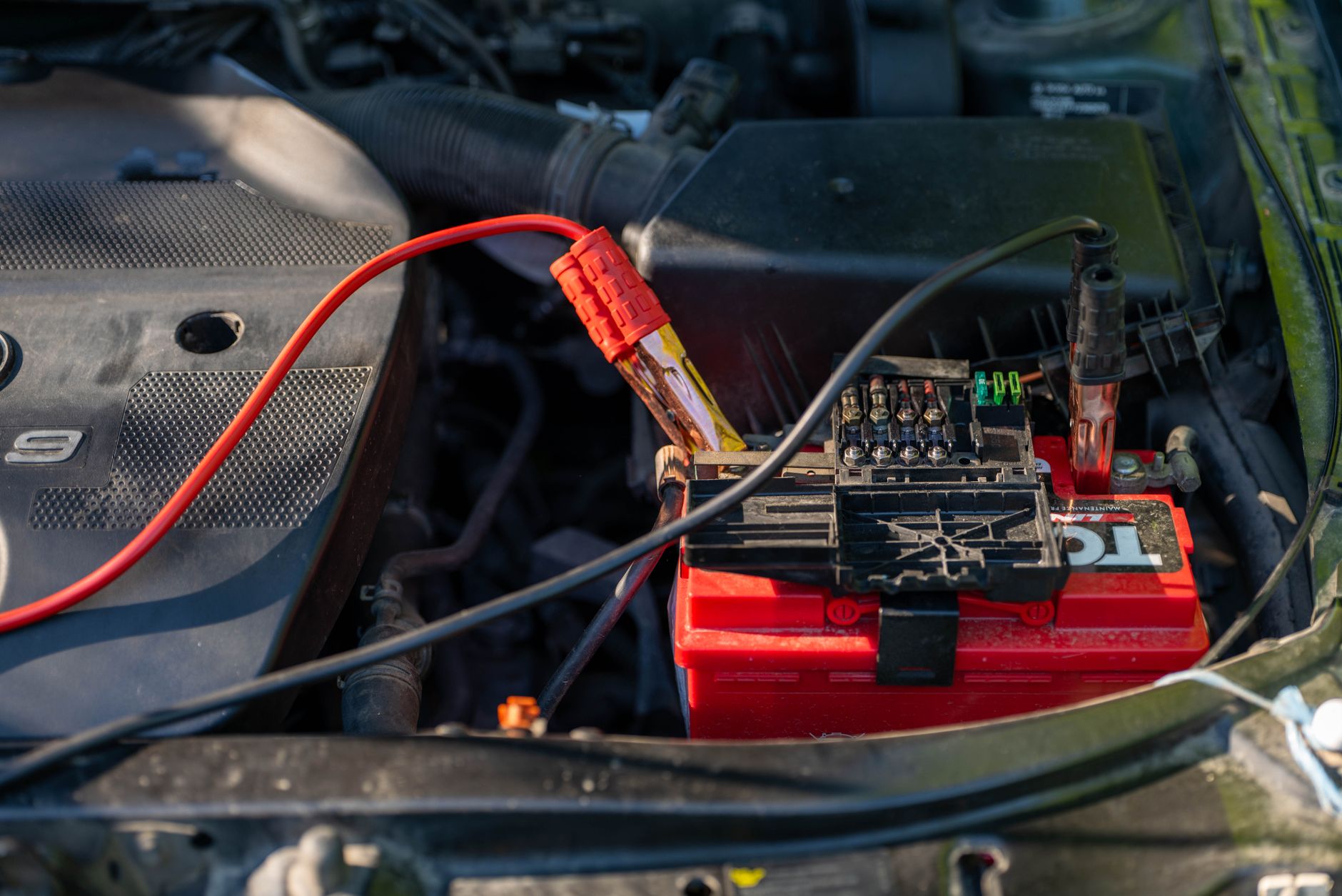
If you’ve ever rushed out the door only to hear that dreaded clicking or worse, silence, you know the frustration of a dead car battery. But when it happens once, it’s bad luck. When it keeps happening, it’s a warning.
According to AAA, battery-related issues account for about 30% of all roadside assistance calls. Most people assume the battery is just old and replace it, only to have the new one die a few weeks later.
I’ve seen this countless times in my shop. The real problem isn’t the battery; it’s what’s draining it.
🔧 Need a Quick Fix? Start Here
- Check the basics – Are your headlights, dome light, or trunk light off? Unplug any phone chargers or dash cams that stay on when the car is off.
- Test the battery voltage – A healthy battery reads 12.4–12.7 volts after sitting overnight. Below 12.2V means it’s undercharged or failing.
- Look for corrosion – White or green crust on terminals? Clean it with baking soda + water, then tighten connections.
- Battery age – If it’s over 4 years old, replace it before it fails (or at least get a load test at an auto parts store for free).
If these steps don’t solve it, work through the detailed causes below.
1. Parasitic Drains
A parasitic drain is any electrical component that keeps drawing power after you turn off the engine and lock the doors.
The car’s computer, clock, and security system naturally draw a tiny amount (usually under 50 milliamps). But when a faulty module, stuck relay, or short keeps more current flowing, the battery can drain overnight.
One thing that surprises most people: parasitic drains often have zero symptoms until the battery is dead. No dim lights, no warning messages. You just walk out to a flat battery.
How to test for a parasitic drain?
You’ll need a multimeter. Modern cars have sensitive electronics, so be careful.
- Make sure everything is off the engine, lights, interior, trunk, and doors are closed.
- Disconnect the negative battery cable.
- Set your multimeter to DC amps (10A range if it has one, then switch to milliamps.
- Connect the red lead to the disconnected cable, black lead to the negative battery post. The circuit will close, and you’ll see the current draw.
If the reading is above 50–80 milliamps after the car has gone to sleep (takes 15–30 minutes for modules to shut down), you have a parasitic drain. Then start pulling fuses one by one until the current drops to find the culprit.
A customer brought in a minivan that killed two new batteries in three weeks. The multimeter showed 1.2 amps.
After pulling fuses, the dome light circuit was the culprit. Turned out the door switch was worn out, and the light stayed on faintly; you’d never see it in daylight. Replaced the switch, problem gone.
2. Lights and Accessories Left On
This one’s obvious but still catches people. Headlights, interior dome lights, trunk lights, and even the glove box light can stay on if the switch is jammed or if you accidentally leave the parking lights on.
Newer cars often have automatic shut-off, but many budget models or older cars don’t. And small accessories like a dash cam that stays powered by the cigarette lighter can drain a battery over a long weekend.
Fix it:
- Make it a habit to look around the cabin before locking up.
- Get a magnetic reminder sticker for your dashboard that says “Lights off?”
- For cars without auto shut-off, install a battery protection relay that cuts power when the voltage drops to 12.2V. These cost about $20 on Amazon and plug into the accessory circuit.
3. A Failing Alternator
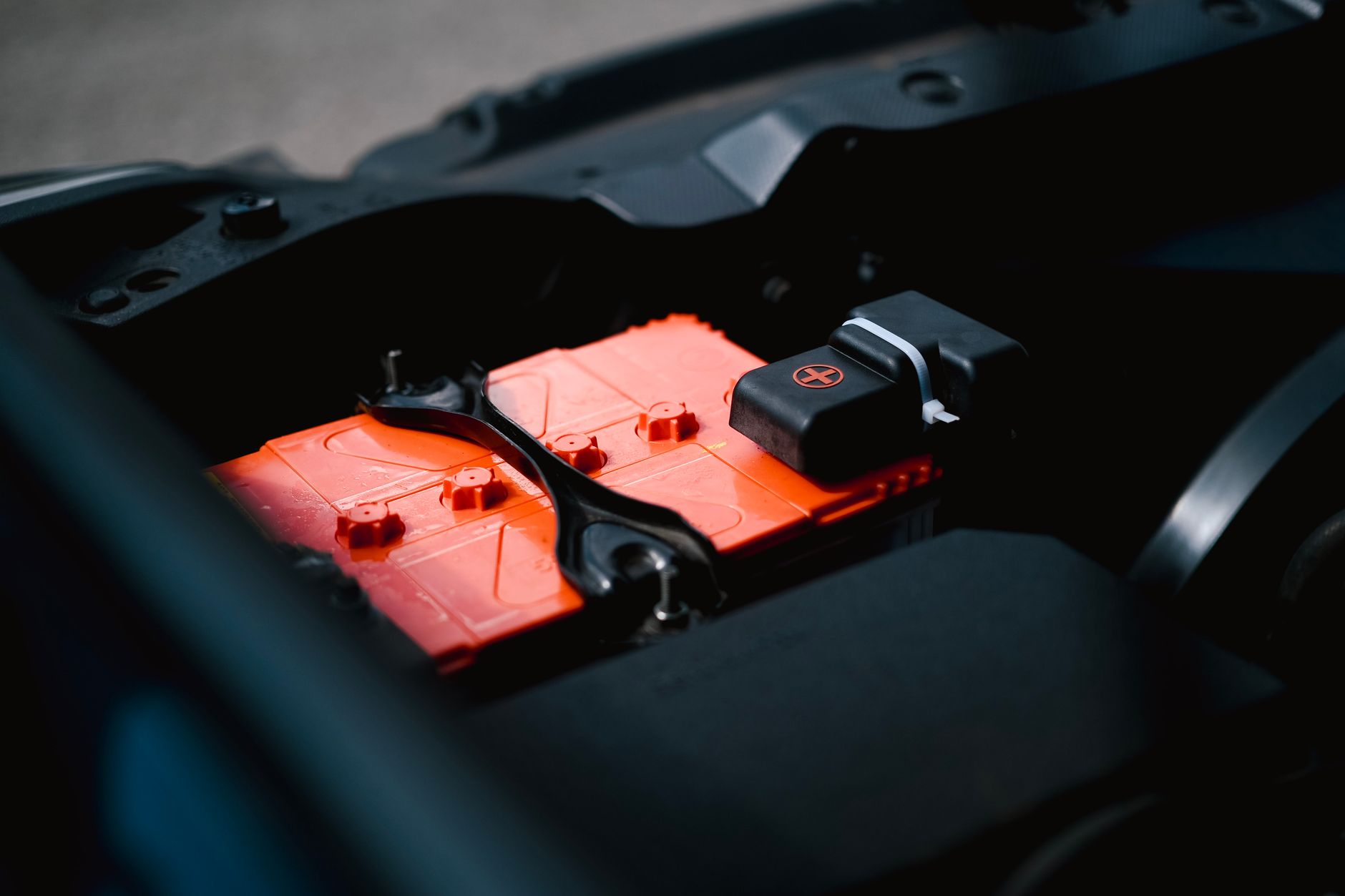
The alternator recharges the battery while the engine runs. If it’s failing, the battery never gets a full charge, so it eventually dies.
But a bad alternator also puts out erratic voltage that can damage the battery and other electronics.
Signs of a bad alternator:
- Dim or flickering headlights.
- A burning rubber smell from the engine bay.
- Warning lights on the dashboard (battery or ALT light).
- Strange whining or grinding noises from the alternator.
- Radio cutting out or power windows moving slowly.
What to do?
If you suspect the alternator, take the car to a shop for a charging system test (many parts stores do it for free).
They’ll check the voltage output at idle and under load. A healthy alternator should output 13.8–14.4 volts.
Important: Don’t just replace the battery if the alternator is bad. The new battery will also die because it’s never been charged. I once saw a guy replace three batteries in a month before realizing the alternator was shot. That’s expensive learning.
4. Extreme Temperatures
Both heat and cold are enemies of car batteries. Cold slows the chemical reactions inside, reducing cranking power. Heat accelerates evaporation of the electrolyte and can warp internal plates, shortening battery life by years.
In cold climates:
- Park in a garage if possible.
- Use an insulated battery blanket (about $15) to keep the battery warm.
- Consider a battery heater for extreme cold (-20°F or lower).
In hot climates:
- Park in the shade or use a reflective windshield cover.
- Check battery fluid levels if your battery has removable caps (maintenance-free batteries are sealed).
- Replace the battery after 3 years if you live in a desert climate. I’ve seen heat kill batteries in under 2 years.
5. Corroded or Loose Battery Connections
Corrosion on the battery terminals creates resistance, which prevents the alternator from fully charging the battery and makes it harder for the battery to send power to the starter.
Loose connections can cause intermittent power loss. The car starts fine for a week, then suddenly seems dead.
How to clean battery terminals?
- Disconnect the negative cable first, then the positive.
- Mix a tablespoon of baking soda with a cup of water.
- Dip an old toothbrush in the solution and scrub the terminals and cable ends.
- Rinse with clean water and dry with a rag.
- Apply a thin coat of petroleum jelly or terminal protector spray to prevent future corrosion.
- Reconnect: positive first, then negative. Tighten snugly, not gorilla-tight.
Quick check: Can you wiggle the cables with your hand? If they move, they’re loose.
6. Old or Weak Battery
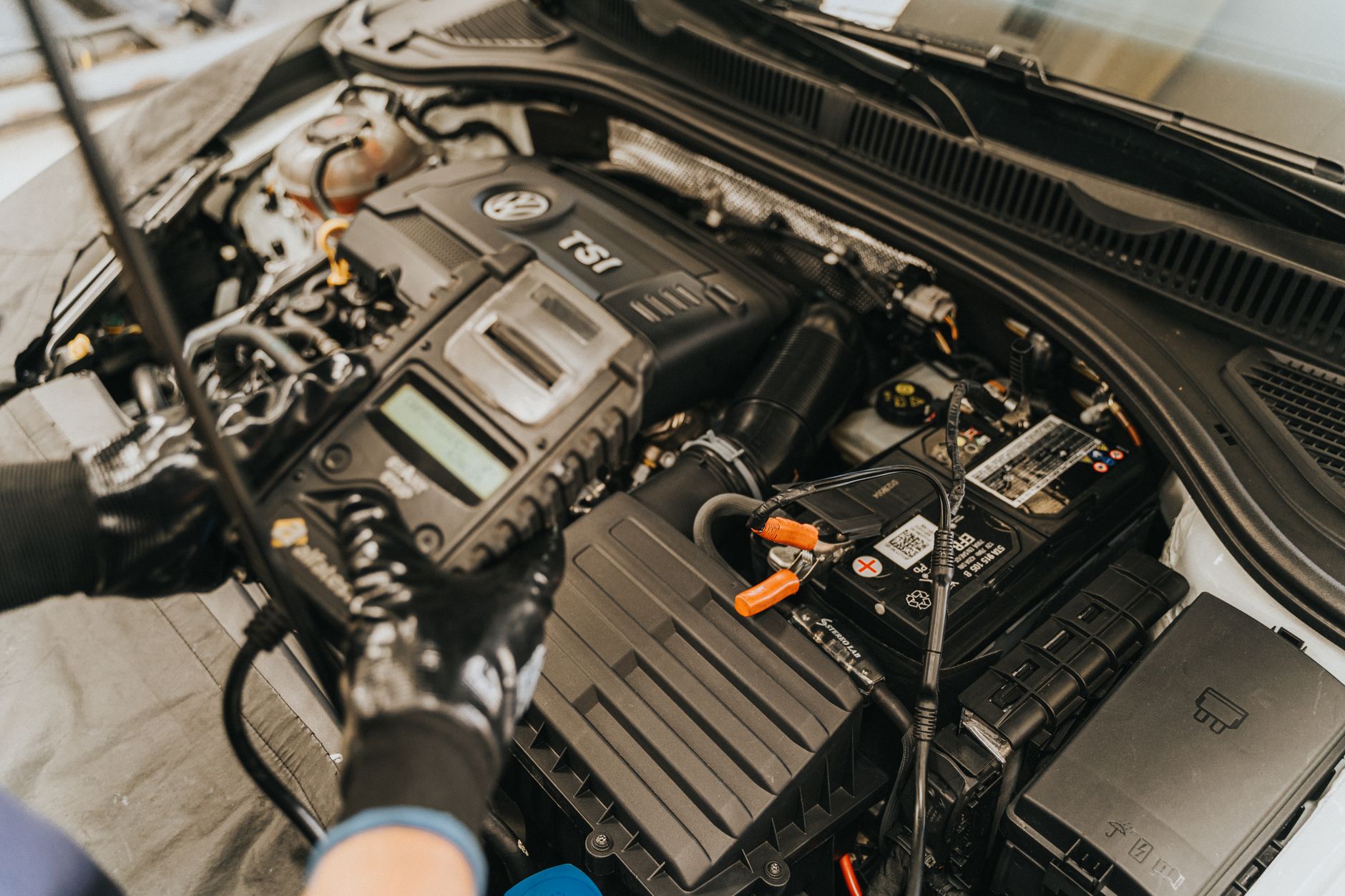
Car batteries typically last 3–5 years. After that, their capacity to hold a charge declines. A battery that starts fine in summer may struggle in winter because its internal resistance has increased.
Check the date code: Most batteries have a sticker with a letter and number, e.g., “H6” means August 2016. If it’s over 4 years old and you’re having problems, replace it on principle. It’s cheaper than getting stranded.
Load test: Any auto parts store can do a load test for free. They’ll apply a simulated starter load and measure how the voltage holds up. If it drops below 9.6V under load, the battery is toast.
Real story: A client insisted their 6-year-old battery was fine because it “still starts the car.” Then it died at 6:45 AM on a Monday in January. We load-tested it, and it failed immediately. The battery had been weak for months, and the alternator was working overtime to compensate. Replacing the battery took 15 minutes and saved them the tow fee.
7. Short Trips and Infrequent Driving
Every time you start the engine, you use a burst of power from the battery. The alternator then needs time to recharge itself.
If you only drive 5–10 minutes to work or the store, the alternator never replaces what the starter took. Over weeks, the battery slowly runs down.
What to do?
- At least once a week, take a longer drive (20–30 minutes at highway speeds) to fully recharge the battery.
- If you don’t drive for more than a few days, use a battery maintainer (also called a trickle charger). These plug into a wall outlet and keep the battery at full charge without overcharging. A good one costs about $25–40.
- For cars parked for months (winter storage, project cars), either disconnect the negative cable or put the battery on a maintainer. Disconnecting stops all drains, including the clock and radio presets.
8. Charging System Problems & Too Many Electronics
Even if the alternator works, the charging system includes belts, voltage regulators, and wiring. A worn belt can slip and not spin the alternator fast enough.
A bad voltage regulator can overcharge or undercharge the battery. Damaged wiring can cause intermittent faults.
On top of that, aftermarket electronics like high-power amplifiers, GPS tracking devices, or heated seats can overload the system.
If your alternator isn’t rated to keep up, the battery gets drained while driving, and it starts the trip with less charge each time.
The fix:
- Have the entire charging system inspected professionally, including belts, connectors, and the regulator.
- Avoid running high-power accessories with the engine off.
- If you routinely use lots of electronics, consider upgrading to a higher-output alternator (200+ amps) and switching to an AGM (absorbent glass mat) battery, which handles repeated deep discharges better than standard flooded batteries.
When to Call a Mechanic?
If you’ve checked all the above connections, the alternator has been tested, battery load-tested, no obvious lights left on, and the battery still keeps dying, there’s likely a deeper electrical issue.
Modern cars have dozens of computers (ECUs, BCMs, etc.) that can fail and start drawing excessive current. A professional technician with a wiring diagram and advanced diagnostic tools can isolate the problem faster than you can at home.
One last tip: Keep a jump pack in your trunk. Even after you fix the root cause, having a portable jump starter (about $50–70) means you won’t get stranded if something else goes wrong. It’s cheap insurance.
Frequently Asked Questions
How do I test for a parasitic drain myself?
Use a digital multimeter as described above. If you’re not comfortable disconnecting the battery, an easier way is to check the voltage drop across the fuses. A mechanic can also use an inductive amp clamp. For most people, I recommend the multimeter test.
Can extreme cold permanently kill a new battery?
Yes, if the battery was already weak. A new, fully charged battery in good condition should survive -20°F without damage. But if it’s used and partially discharged, the electrolyte can freeze and crack the case. Always keep a battery fully charged in cold weather.
Should I disconnect my car battery if I won’t drive for a month?
Yes, if you don’t have a battery maintainer. Disconnect the negative cable to stop all drains, including the clock and alarm system. Before reconnecting, charge the battery fully with an external charger. The alarm will not work while disconnected, but you won’t come back to a dead battery.
How often should I replace my car battery preventively?
Every 4 years, regardless of performance. If you live in a hot climate, every 3 years. Batteries rarely give a clear warning before dying. Replace it on schedule to avoid getting stranded at the worst possible moment.
A dead battery is annoying but almost always fixable. With these steps, you’ll save yourself time, money, and a lot of cold mornings.
