Finding the best bedding for hamsters (safe options) is the most critical step in setting up their habitat. Hamsters spend almost all their time inside their enclosures. They dig, tunnel, and build nests in this material every single day.
Choosing the right substrate keeps their delicate respiratory systems healthy and supports their instincts. Veterinary professionals widely recommend unscented paper and certain hardwoods.
What is the Best Bedding for Hamsters (Safe Options)?
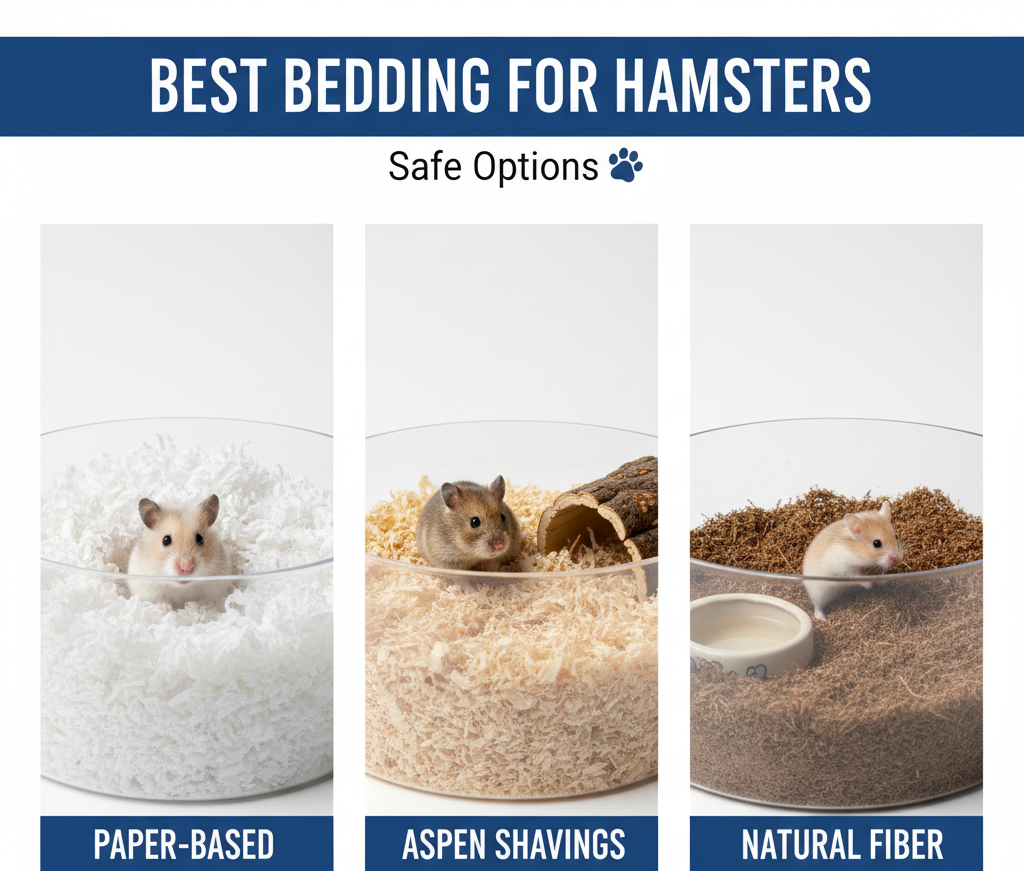
To answer this quickly, the absolute safest materials for your pet’s habitat include:
- Unscented paper substrate: Holds burrows well and absorbs moisture.
- Aspen wood shavings: The only completely safe wood option available.
- Hemp substrate: Eco-friendly and highly absorbent.
- Soft meadow hay: Used for mixing to stabilize tunnels.
- Shredded plain cardboard: A good, homemade option if dust-free is desired.
These materials effectively retain tunnel structures while remaining free of harmful chemicals. Always prioritize dust-extracted products to protect your pet’s sensitive lungs from irritation.
Top Safe Bedding Materials for Hamsters
Your pet needs a material that mimics their natural environment. The substrate must absorb urine, control odors safely, and allow for extensive digging. Here is a breakdown of the top recommended choices.
Unscented Paper Bedding
Unscented paper is the most popular choice among small pet owners. It offers excellent absorbency and provides a soft surface for walking and sleeping. This material expands well, allowing you to create deep layers for burrowing.
When shopping, check the packaging for “99% dust-free” labels. Excess dust causes sneezing and upper respiratory issues in small animals. You can verify safe care practices through organizations such as the ASPCA, which provides guidelines on small pet care.
Pros of Unscented Paper:
- Extremely soft on tiny feet.
- Holds tunnel shapes perfectly without collapsing.
- Highly absorbent for odor control.
Cons of Unscented Paper:
- Can be more expensive than wood shavings.
- Some generic brands retain too much dust.
Aspen Wood Shavings
Aspen is a hardwood and serves as an excellent, natural-looking substrate. Unlike other woods, aspen does not contain dangerous volatile oils or phenols. It controls odors naturally without adding artificial fragrances to the cage.
Aspen is typically much cheaper than paper products when bought in bulk. However, it does not hold tunnel structures as well on its own. Many owners mix aspen with paper or soft hay to create the perfect digging texture.
Pros of Aspen:
- Very cost-effective for large enclosures.
- Safe, natural odor control.
- Provides a natural woodland aesthetic.
Cons of Aspen:
- It can sometimes contain sharp pieces that need removal.
- Poor structural integrity for deep burrows on its own.
Hemp Bedding
Hemp is a highly sustainable, safe material gaining popularity in the pet industry. It is naturally pest-resistant and breaks down easily in compost bins after use. Hemp absorbs moisture exceptionally well, keeping the enclosure floor completely dry.
This material is an excellent alternative for pets or owners with allergies. It creates almost zero dust compared to traditional wood or paper products. The main drawback is availability, as it often requires ordering from specialty online retailers.
Meadow Hay and Orchard Grass
Hay should never be used as the sole substrate in a cage. It does not absorb urine well and will quickly smell bad if used alone. Instead, hay acts as a structural support material.
By layering hay between paper or aspen, you create a reinforced underground network. This prevents your pet’s tunnels from collapsing on them while they sleep. Always freeze new hay for 48 hours before adding it to the cage to kill any potential mites.
Dangerous Hamster Bedding to Avoid
Many products sold in pet stores are actually toxic to small animals. You must read labels carefully to avoid materials that cause serious health emergencies.
Pine and Cedar Shavings
Never use pine or cedar shavings in a small animal enclosure. These softwoods contain high levels of toxic phenols, which give them their distinct smell. Veterinary experts at VCA Hospitals explicitly warn against these materials.
Continuous exposure to these phenols causes irreversible liver damage. The strong fumes also destroy the lining of the animal’s respiratory tract. Even if a package claims the pine is “kiln-dried,” the risk remains too high to justify using it.
Scented Bedding Materials
Many paper products feature added scents like lavender, vanilla, or extreme odor blockers. While these smell pleasant to humans, they are overwhelming to an animal with a highly sensitive nose. Your pet uses scent to navigate and feel secure in its territory.
Artificial fragrances lead to chronic stress and severe respiratory distress. They mask the smell of urine rather than properly absorb it. Always choose completely unscented products to keep your animal safe.
Cotton and Fluff Products
Synthetic cotton, kapok pods, and “fluff” materials are heavily marketed as nesting products. These are some of the most dangerous items you can put in a cage. The long, strong fibers do not dissolve in water or stomach acid.
If your pet swallows this material while pouching it, it can cause fatal intestinal blockages. Furthermore, the strong threads easily wrap around fragile legs and toes. This cuts off circulation and frequently leads to emergency amputations.
Cat Litter and Corn Cob
Some older guides suggest using clay cat litter for odor control. Clay litter creates severe dust problems and causes internal blockages if ingested. Clumping litters will expand inside the animal’s stomach, leading to a fatal impaction.
Corn cob substrate is another outdated recommendation. While it is not toxic by itself, it molds incredibly fast when exposed to water or urine. It is also too hard for comfortable walking and offers zero burrowing potential.
How Much Bedding Does a Hamster Need?
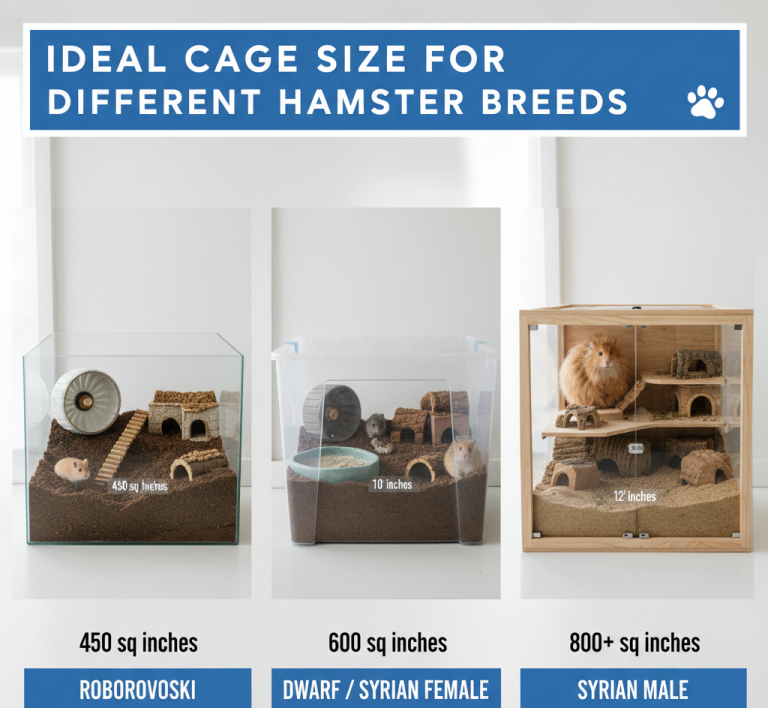
In the wild, these animals build complex, deep underground tunnel systems to escape predators and regulate their body temperature. Your domestic pet still retains this same survival instinct. A shallow layer of material causes massive psychological stress and leads to destructive behaviors like cage biting.
You must provide a minimum depth of 6 to 8 inches of substrate across the entire enclosure. For larger Syrian breeds, a depth of 10 to 12 inches is highly recommended. If your cage has a shallow base, you can pile the material high on one side to create a dedicated digging zone.
- Dwarf Breeds: Minimum 6-8 inches deep.
- Syrian Breeds: Minimum 8-12 inches deep.
- Roborovski Breeds: Minimum 6 inches deep (plus a large sand area).
Compress the material down firmly with your hands when setting up the cage. Loose material collapses easily when the animal tries to dig through it. Compacting the layers ensures their tunnels stay open and secure.
How Often Should You Change Hamster Bedding?
Small pet care has changed drastically over the last decade. Completely emptying and scrubbing a cage every single week is now considered harmful. Removing all their scent at once causes extreme stress and forces them to aggressively scent-mark the clean cage.
Instead, practice daily “spot cleaning” to maintain hygiene. Use a scoop to remove soiled material from their designated bathroom corners. Check inside their hides to remove any fresh food they hoarded that might spoil.
Perform a larger clean every four to six weeks. During this time, remove only one-third of the old substrate. Mix the remaining clean, old material with the fresh replacement material to retain their comforting scent.
Conclusion
Choosing the best bedding for hamsters (safe options) directly impacts their daily comfort and total lifespan. Sticking to unscented paper, reliable aspen, or sustainable hemp guarantees a secure environment. You must strictly avoid toxic softwoods, synthetic cottons, and artificially scented products.
Frequently Asked Questions
Can I use toilet paper as nesting material?
Yes, plain toilet paper makes excellent, safe nesting material. Make sure it is completely unscented and does not contain lotions or aloe. Tear it into strips and scatter it around the cage for your pet to gather.
Does paper or wood control odors better?
Both materials control odors well if the cage is properly sized and deep enough. Unscented paper tends to absorb raw liquid slightly better than wood. However, aspen provides a more natural odor neutralization over time.
Are wood pellets safe to use?
Wood pellets intended for wood stoves or horse stalls are not suitable for the main living area. They are far too hard and cause painful foot conditions like bumblefoot. You can use a small handful in a designated litter box, but never as the main flooring.
Why is my pet kicking material out of the cage?
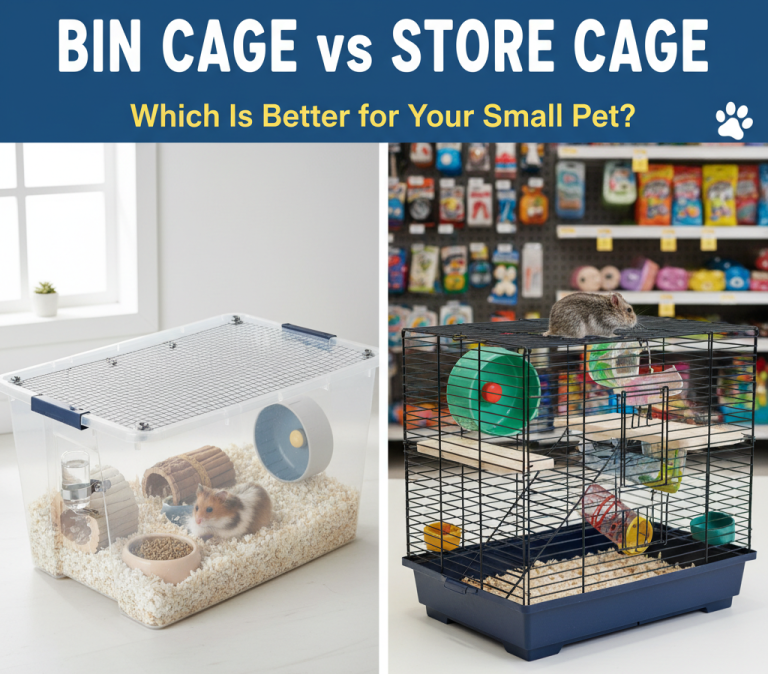
If material constantly ends up on your floor, your cage base is likely too shallow. The animal is trying to dig down and is hitting the plastic bottom. Upgrading to a glass tank or a cage with a deep bottom pan solves this issue immediately.