


Why Most First Car Advice Misses the Point?
I’ve spent years helping new drivers find their first car. The conversations always start the same way: “I just passed my test, I need something cheap, reliable, and not embarrassing.
But cheap can mean expensive repairs. Reliable can mean boring. And embarrassing? Most first cars look like a toaster.
The trick is knowing which corners to cut and which ones to never touch. I’ve seen people buy a £3,000 banger that needed £2,000 of work within a month. I’ve also seen people overspend on a brand-new car that depreciates faster than they can pay off the loan.
The Five Most Important Features for New Drivers
Before we look at specific cars, here’s what you should be prioritising. I’ve ranked them in order of importance based on what actually causes problems for new drivers.
1. Small Engine, But Not Too Small
Insurance groups are based partly on engine size and power. A 1.0-litre engine with 60-90 horsepower will keep your premiums low.
But avoid the tiny 0.9-litres that need thrashing to get anywhere, they can feel dangerous on motorways.
2. Visibility
Blind spots are a nightmare for new drivers. You want big windows, thin pillars, and a high seating position if possible. Some modern cars have massive roof pillars that hide pedestrians and cyclists.
3. CarPlay/Android Auto
Built-in sat-navs are outdated and expensive to update. Your phone does everything better. If the car has Apple CarPlay or Android Auto (even wired), you save hundreds on a head unit upgrade.
4. Boot Space
You might not need it now, but you will. Even if you’re not carrying a pram, you’ll move house, go shopping, or take friends to the airport. A 300+ litre boot makes life exponentially easier.
5. Reliability Record
Some engines have known issues (we’ll talk about Ford’s wet belt problem). Others are basically bulletproof. Check forums before you buy.
Car-by-Car Breakdown: What Works, What Doesn’t
I’ve driven all five of these cars extensively. Here’s my honest take on each one, including real-world numbers and the hidden catches that you won’t find in a brochure.
Hyundai i10, The Small Car That Doesn’t Feel Small
The Hyundai i10 is the sister car of the Kia Picanto, and it’s one of my favourite small hatchbacks.
The base model with the 1.0-litre 64bhp engine sits in insurance group 6E, about as cheap as it gets for a new driver. But there’s a catch.
The version you really want is the Premium or higher trim with the 1.0-litre turbo engine (90bhp). That pushes insurance up to group 10, but you get features like a heated steering wheel, heated seats, a digital dashboard, and Apple CarPlay/Android Auto. The car feels surprisingly grown-up inside.
The windows are big, so blind spots are minimal. The clutch is light, the steering is easy, and it’s genuinely fun to drive around town.
The boot is decent for the class, around 252 litres. You can fit three passengers in the back if they’re not giants. And because it’s a Hyundai, you get a 5-year warranty on newer models.
The basic 64bhp engine is painfully slow. 0-62 takes 15 seconds. You’ll struggle on motorway slip roads. Spend the extra on the turbo version or look for a used one.
Price: £10,000-£15,000 (depending on age and mileage). The base models with 20,000 miles can be found for around £10k.
Volkswagen Polo, The Boring Choice That’s Actually Brilliant
The Polo is the default choice for many parents who want their kid in something safe and solid. And honestly?
They’re not wrong. The Polo is refined; on motorways, wind and tyre noise are well-controlled. The build quality is noticeably better than the Fiesta or Clio.
The 2021 Match model with a 1.0-litre 95bhp engine is a sweet spot. It’s insurance group 10 or 11, reasonable for a new driver.
You get CarPlay, a digital dash in some trims, and decent rear space. The boot is 350 litres, that’s proper family car territory.
It’s a bit boring. The handling is competent but not fun. And the price is higher than that of its rivals. For £13,000 for a 2021 model with 37,000 miles, you could almost buy two Clios.
Price: £12,000-£15,000 for recent models. Older ones (2015-2018) are cheaper but may lack modern safety tech.
Ford Fiesta, The Fun One With the Engine Problem
The Fiesta was many people’s first car for a reason. It handles beautifully, the steering is direct, and the 1.0-litre EcoBoost engine is punchy and efficient.
The 2019 Active X model with 100bhp will do 50mpg easily. It’s also fun to drive, which means you’ll actually enjoy learning.
The wet belt. Ford’s 1.0-litre EcoBoost engines use a timing belt that runs in oil. Over time (around 60,000 miles), the belt can degrade and shed rubber into the oil pump, causing catastrophic engine failure.
Fixing it costs £1,200-£1,800. If you buy a Fiesta, make sure it’s the newer mild-hybrid version (introduced around 2020), which doesn’t have this problem. Or factor the cost of a belt change into your budget.
Boot space is only 292 litres, fine for a small car but smaller than the Polo or Scala. The ride can be firm, especially on the sporty ST-Line trim.
Price: £10,000-£12,000 for a 2019 model. The Active X specs are slightly higher.
Renault Clio, The Stylish Budget Option
The Clio is often overlooked, but it has a lot going for it. The GT-Line spec I drove was £9,600 with 32,000 miles, the cheapest car here.
The 0.9-litre turbo engine (90bhp) is surprisingly willing, though it does need revving. Insurance group 9 is very low.
Inside, the Clio feels dated now. The infotainment screen is small and laggy. But you get cruise control, decent rear seats, and a boot of around 300 litres. It’s roomy enough for a 6’3” driver, I tested it.
The gearbox is vague and plasticky. The engine is a bit lumpy at low revs. And on motorways, the 5-speed gearbox means the engine revs high, making it a bit louder. You’re buying this for the looks and the price, not the driving experience.
Price: £7,000-£10,000 for 2016-2020 models. Good value if you can live with the dated interior.
Skoda Scala, The Practical Choice Nobody Thinks Of
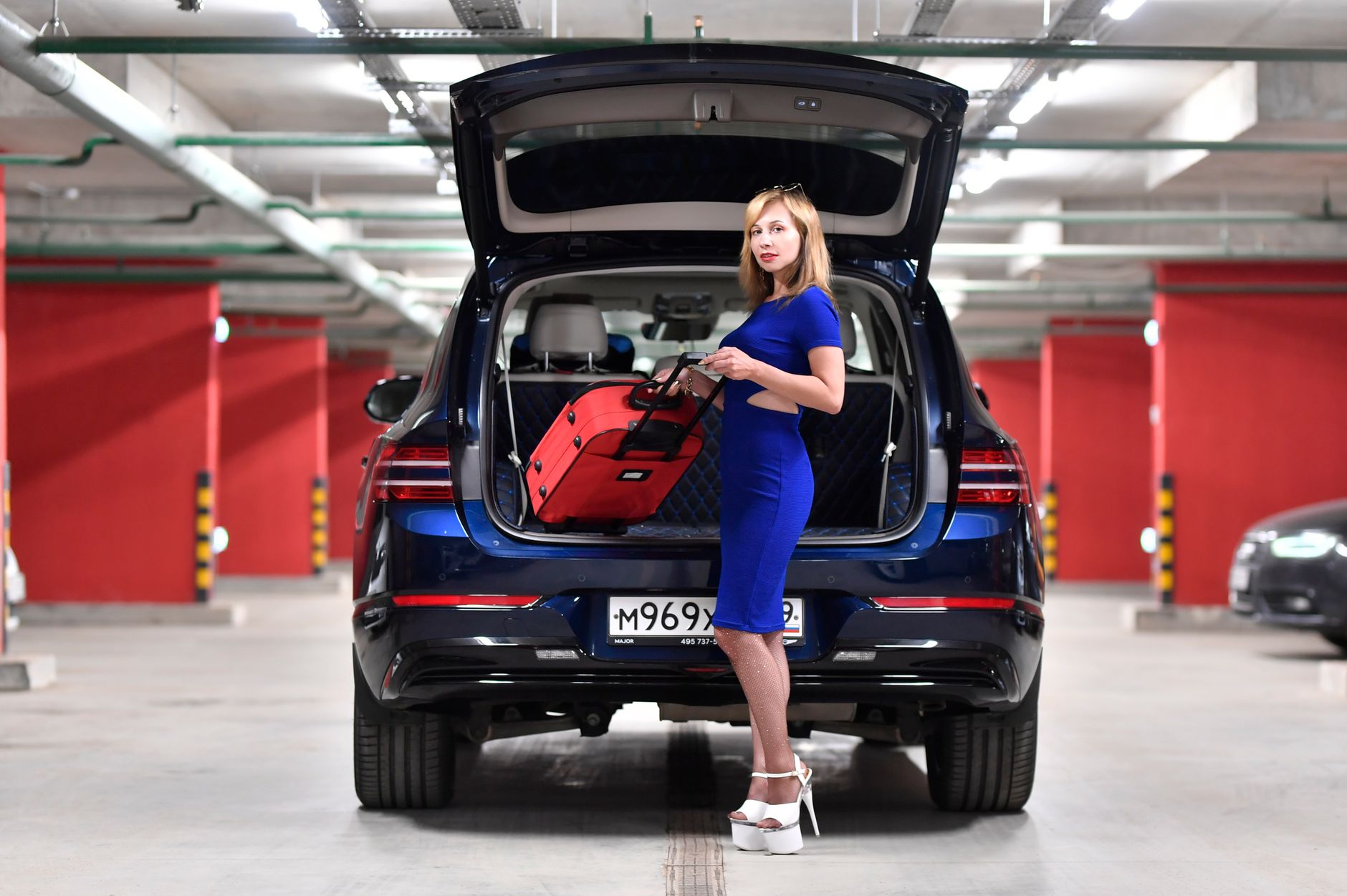
The Scala is Skoda’s Golf-sized hatchback, but it’s cheaper and more spacious. The boot is a massive 351 litres, which is bigger than a Golf. The rear seats have proper legroom. And it drives like a Volkswagen because, well, it basically is one.
The 1.0-litre 115bhp engine is excellent, smooth, quiet, and efficient (55mpg). The clutch is light, the gearbox is precise, and the brakes (though grabby on the one I drove) inspire confidence. Even the base S trim comes with Apple CarPlay and Android Auto (wired), air conditioning, and a digital driver display.
The catch: It’s not exciting. The styling is very practical; critics call it “birth control for cars.” Insurance group 14 is a bit higher than the others. And resale value isn’t as strong as a Polo or Golf. But if you need space and reliability without the premium price, this is the one.
Price: £12,000-£15,000 for 2020 models. Good value for the space.
The Honorable and Dishonorable Mentions
You might be wondering why I didn’t include some popular first cars. Here’s my honest reasoning.
Fiat 500, these are getting old now. Safety tech is minimal, and they’re not great on motorways. The charm wears off after the first breakdown.
Mercedes A-Class, The newer ones are mostly automatic and expensive to insure. Parts are pricey. Not a good choice for a first car unless you have a very generous budget.
Vauxhall Corsa, it’s popular but not great. The Fiesta drives better, the Polo feels more solid. The Corsa is just average, and average can still cost you in repairs.
Mini, Fun, but insurance groups are high, and rear space is laughable. A Mini Cooper will cost more to insure than a Fiesta ST-Line. For a new driver, that’s a dealbreaker.
Frequently Asked Questions
What’s the most important thing to check before buying a used first car?
Get a full service history and a mechanical inspection. For Ford Fiestas, specifically ask if the wet belt has been changed (if it’s a pre-2020 model). Check the MOT history online; it’s free and shows past failures. I’ve seen cars that looked perfect on the surface but had hidden structural corrosion.
Should I get a petrol or a diesel for my first car?
Petrol. Diesel engines are heavier, more expensive to repair, and you need to take them on long motorway runs to clear the particulate filter. Most new drivers do short trips, which kills a diesel. Plus, diesel prices are often higher. Stick with a small petrol.
Is it worth getting Apple CarPlay or Android Auto?
Yes, but don’t pay extra for built-in sat-nav. A £20 phone mount and your phone’s maps work fine. Wired CarPlay is better than nothing. If the car has it, great. If not, you can install an aftermarket head unit for £200-£400.
How much should I budget for insurance?
For a 17-year-old with a 1.0-litre engine in group 6-10, expect to pay £1,500-£3,000 depending on location and postcode. Black box policies can bring that down by 20-30%. Get a quote before you buy the car; insurance can add hundreds to your monthly costs.
Is a 1.0-litre engine big enough for motorways?
Yes, as long as it has around 90bhp or more. A 1.0-litre 64bhp Hyundai i10 will struggle. A 1.0-litre 115bhp Skoda Scala is perfectly fine. Test drive on a dual carriageway before buying if you do regular motorway miles.
Summary
My personal pick? If you can stretch the budget, the Skoda Scala is the most practical, reliable, and efficient choice. It’s not exciting, but it won’t let you down. If you want something smaller and cheaper, the Hyundai i10 with the turbo engine is brilliant for city living.
Avoid the Fiesta unless you’re okay with the risk of the wet belt, and get the mild-hybrid version if you can. The Clio is fine for a budget, but it’s showing its age.
The best first car is the one you can afford to insure, maintain, and drive without stress. Don’t let style or peer pressure talk you into something that’ll empty your wallet in six months.
