

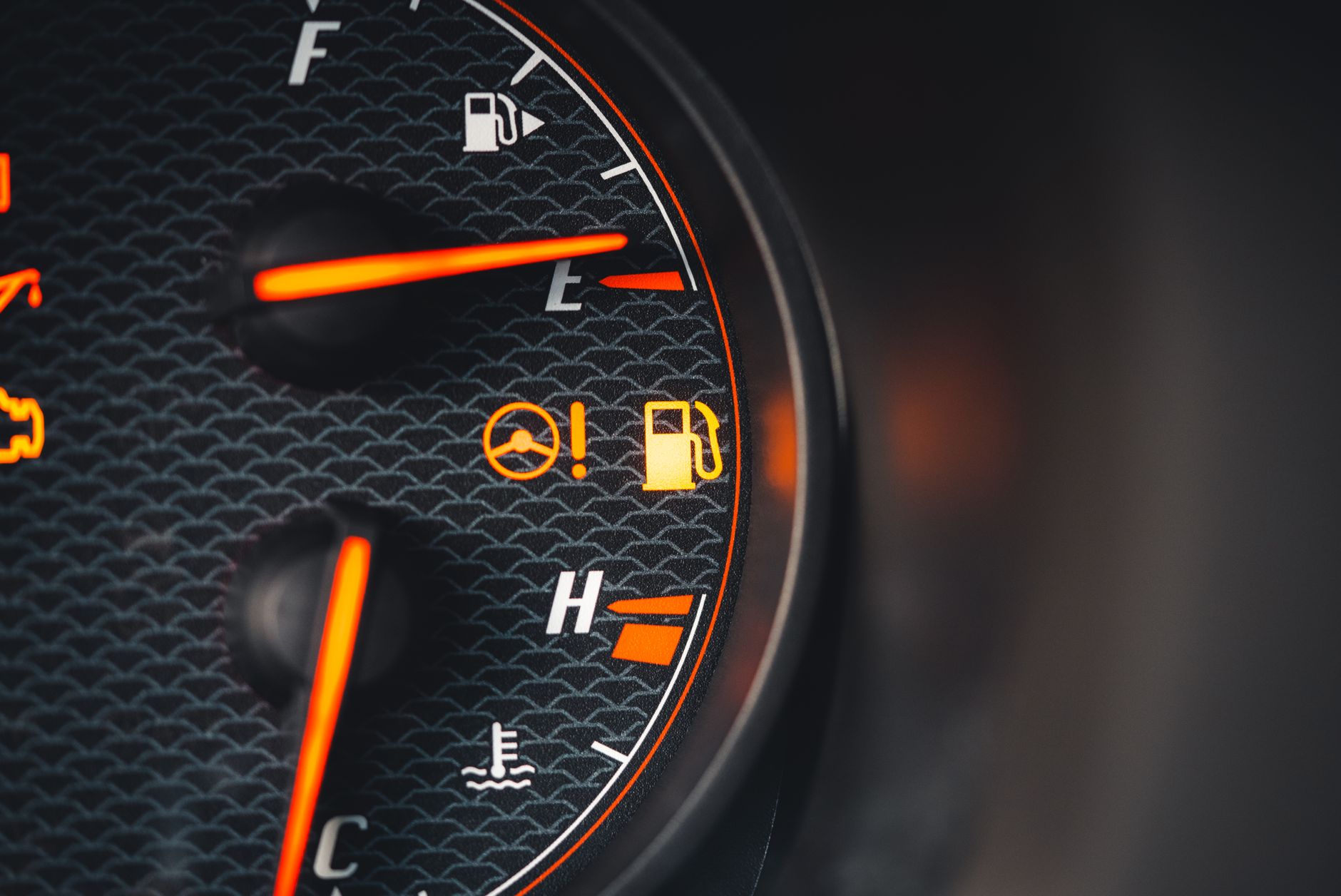
Why Those Lights Matter More Than You Think?
Your car doesn’t speak English, Spanish, or any other language, but it does try to warn you. The dashboard symbols aren’t decorations. They’re the only way your vehicle can tell you something’s off, often long before you feel a problem.
I’ve been a technician for over a decade, and I can’t count how many times I’ve seen a small warning light become a major repair because someone assumed it would go away on its own.
A steady oil pressure light can turn a perfectly good engine into scrap metal in under a minute of driving. A flashing check engine light can ruin a catalytic converter overnight.
And a brake system light that’s ignored can mean the difference between stopping safely and not stopping at all.
Most warning lights fall into two groups: red (urgent, stop soon) and yellow/orange (caution, diagnose soon). But even the yellow ones deserve respect. Let’s walk through the 14 most important lights and what they really mean.
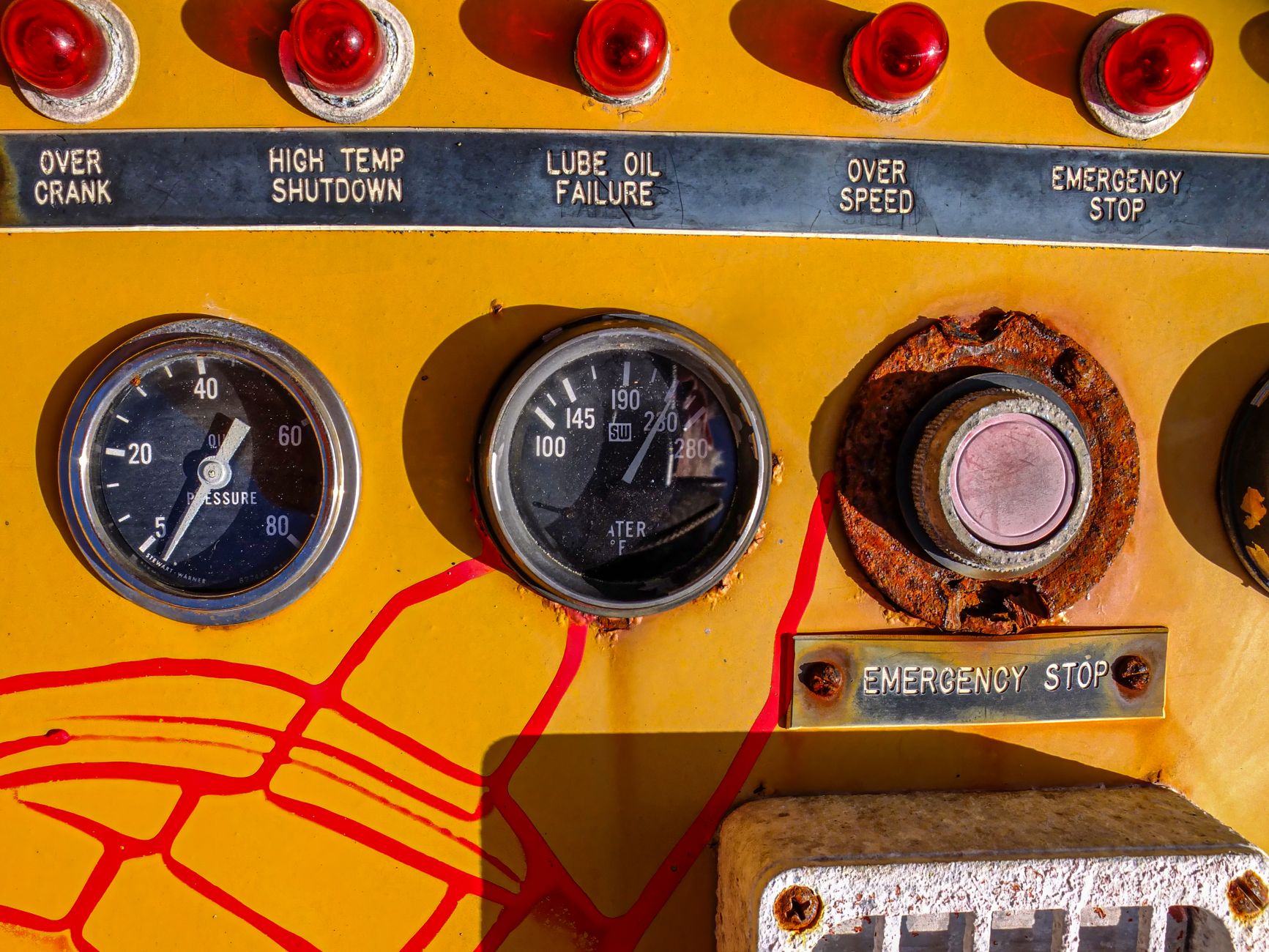
The Red Lights: Stop and Act Now
These are the ones that should make you pull over as soon as it’s safe. Red typically means a system has already failed or is about to fail.
Oil Pressure Warning Light
If you see a red oil can symbol (or the word OIL), treat it like a fire alarm. Your engine isn’t getting the oil pressure it needs to lubricate moving parts.
Without that oil film, metal grinds against metal at high speed and temperature. The damage can become catastrophic in seconds.
What usually causes it: Low oil level, a failing oil pump, or a clogged oil passage. Sometimes it’s just a faulty pressure sensor, but you can’t guess.
What to do: Pull over safely, turn the engine off immediately. Wait a minute, then check the oil level with the dipstick. If it’s low, add oil if you have some. If it’s full, the problem is likely internal—call a tow truck. Driving even a mile with low oil pressure can cost you an engine.
Real‑world story: A friend of mine ignored a flickering oil light on a road trip. “It’s probably just the sensor,” he said. Twenty miles later, the engine seized. Total replacement cost: $4,500. The oil level was fine. The pump had failed.
Engine Temperature Warning Light
A red thermometer symbol (or TEMP) means the engine is overheating. The fastest way to warp a cylinder head or blow a head gasket is to keep driving when it’s hot.
What usually causes it: Low coolant, a stuck thermostat, a bad water pump, a leaking radiator, or a failed cooling fan.
What to do: Turn off the air conditioning (it adds heat load) and turn on the heater full blast to draw heat away from the engine.
That buys you a few minutes to find a safe place to stop. Once stopped, let the engine cool down. Do not open the radiator cap when hot. The steam can cause severe burns. Check the coolant level after it cools. If low, top it off and look for leaks.
Never keep driving “just to get to the next exit.” The next exit might be the last one your engine ever sees.
Brake System Warning Light
A red circle with an exclamation mark or the word BRAKE. This means the braking system has a serious issue—low brake fluid, a hydraulic leak, or worn brake pads that have triggered a sensor.
What to do: If the light comes on while driving, gently test the brakes at low speed. If the pedal feels spongy, goes to the floor, or requires much more force, stop driving immediately. You might still have some braking ability, but it could fade without warning.
I once had a customer drive two hours with the brake light on because “the car still stopped.” We found that one brake line had rusted through she had almost no rear brakes. Emergency stops would have been dangerously long.
Airbag Warning Light
If the airbag light (a figure with a ball in front) stays on or flashes, the supplemental restraint system has a fault. In a crash, the airbags may not deploy at all, or they might deploy unexpectedly.
What to do: This light doesn’t affect drivability, but it’s a critical safety issue. Have it diagnosed as soon as possible.
Common causes: a faulty clock spring, a passenger occupancy sensor, or a connection under the seat that got knocked loose (often after installing seat covers or cleaning). Do not ignore it for months.
Battery Warning Light
A red battery icon means the charging system isn’t working properly. The car is running solely on battery power, and once that’s drained, you’ll stall.
What usually causes it: A bad alternator, a loose serpentine belt, or corroded battery cables.
What to do: If the light comes on, turn off all non‑essential electrical loads (radio, lights if safe, rear defroster) to conserve battery power.
Drive directly to a repair shop. You might have 20–60 minutes before the battery dies completely. If the car starts to misfire or the lights dim, pull over.
Transmission Temperature Warning Light
Some vehicles have a red thermometer symbol with a gear icon. This means the transmission fluid is overheating. Heat breaks down the fluid’s lubricating properties, causing premature wear on clutches and valves.
What to do: Stop driving as soon as possible. Let the transmission cool for at least 20 minutes. If you’ve been towing, stop towing. If the light comes back on, have the transmission fluid level and condition checked. Ignoring it can lead to a multi‑thousand‑dollar rebuild.
Power Steering Warning Light
A red steering wheel symbol or the words EPS/PS. Power assist is failing. Steering will become heavy, especially at low speeds.
What to do: You can still steer, but it requires more effort. Drive cautiously to a shop. If the system fails during a turn, you could lose control. Common causes: low power steering fluid (check the reservoir) or an electric power steering module fault.
Coolant Level Warning Light
This is different from the engine temperature light. It appears when the coolant reservoir is low, often before overheating starts. Think of it as an early warning.
What to do: Check the coolant level after the engine is cool. If it’s low, top it off with the correct coolant type. Then watch for leaks. If you keep losing coolant, there’s a leak somewhere. Don’t just add water and forget it.
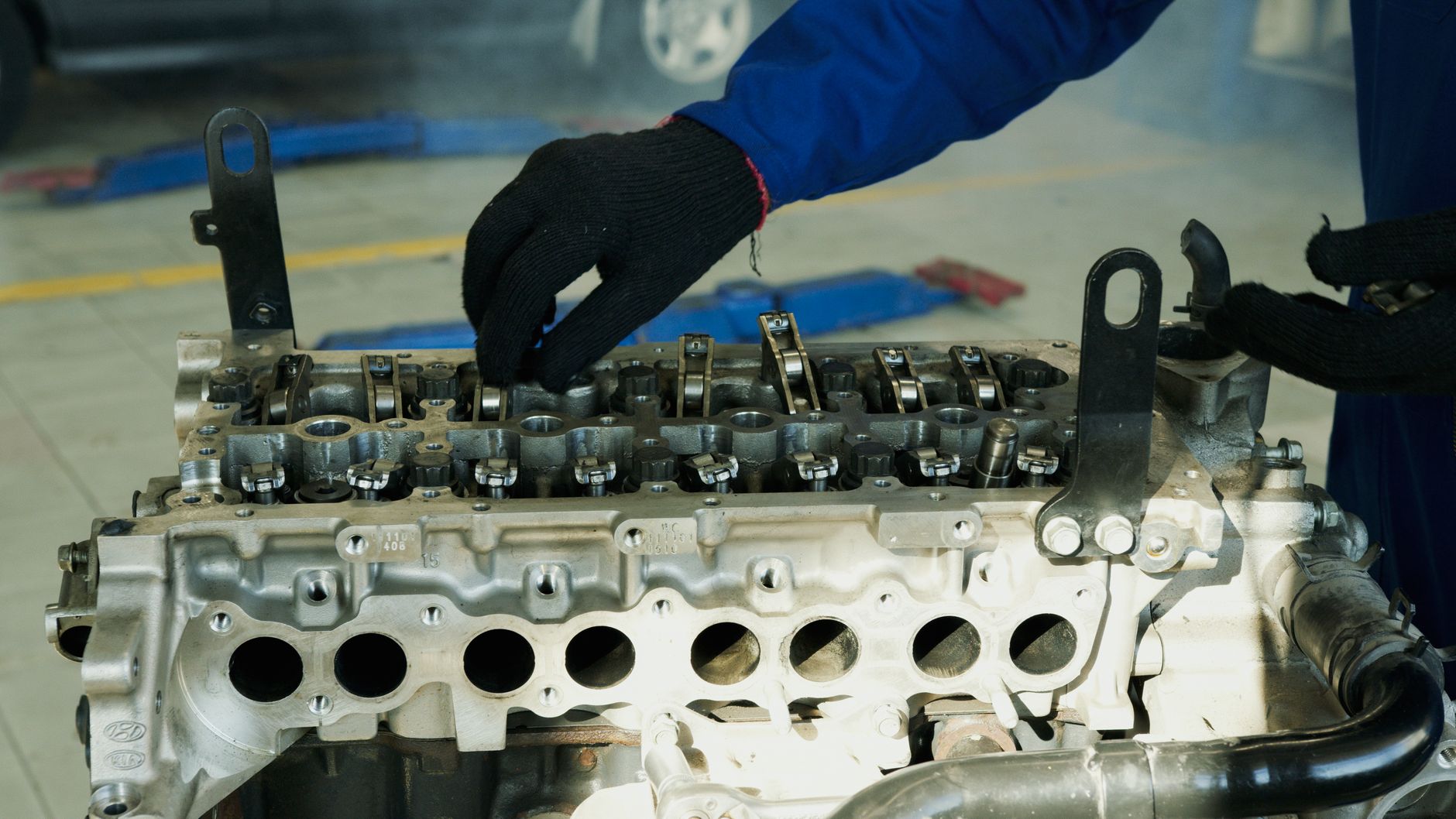
The Yellow or Orange Lights: Caution – Don’t Drive Long
These lights are less urgent but still important. They indicate a problem that may not be immediately dangerous but will worsen over time.
Check Engine Light
The most common and most misunderstood light. A solid check engine light usually means an emissions‑related fault (loose gas cap, oxygen sensor, or catalytic converter efficiency) or a sensor reading out of range.
A flashing check engine light means a severe misfire that can damage the catalytic converter.
What to do:
- If it’s steady, you can usually drive to a shop. Avoid heavy acceleration and long trips.
- If it’s flashing, reduce speed immediately and drive gently to a repair shop or pull over if the car is running rough. Continuing to drive with a flashing light can destroy the catalytic converter (easily $1,000+ to replace).
Real‑world story: A neighbor ignored a flashing check engine light for a week because “the car still ran fine.” The misfire was unburned fuel entering the exhaust, which overheated and clogged the catalytic converter. The repair went from a simple coil pack ($200) to a full exhaust system ($2,200).
ABS Warning Light
The anti‑lock braking system light (yellow letters ABS) means the ABS is disabled. Your regular brakes still work, but you won’t have the pulsing anti‑lock function that prevents wheel lockup during hard stops. On wet or slippery roads, that can mean skidding.
What to do: Have it diagnosed soon. Common causes: a bad wheel speed sensor, a damaged tone ring, or a blown fuse. Don’t assume it’s a minor issue; you won’t know it’s working until you need it.
Tire Pressure Warning Light
A yellow horseshoe with an exclamation mark. Low tire pressure affects handling, braking, fuel economy, and tire lifespan. Worse, a severely under‑inflated tire can overheat and blow out at highway speeds.
What to do: Check all tire pressures with a gauge as soon as possible. Don’t rely on the light alone to tell you which tire is low. Many newer cars show individual pressures. Inflate to the recommended PSI (found on the driver’s door jamb, not the tire sidewall). If the light stays on after filling, there may be a slow leak or a faulty TPMS sensor.
Traction Control Warning Light
This light (a car with squiggly lines) can come on briefly when the system is actively working on slippery roads—that’s normal.
But if it stays on constantly, the traction control system has a fault. That means you lose the electronic stability that helps keep the car from spinning out.
What to do: If it stays on in dry conditions, have a scan done. Might be a wheel speed sensor or steering angle sensor issue. The car is still drivable, but be extra cautious in rain or snow.
Immobilizer/Security Warning Light
A car with a key symbol or the word SECURITY. This light indicates the anti‑theft system isn’t recognizing your key properly.
What to do: If the light flashes normally when you lock the car, no issue. But if it stays on or flashes while driving, you could have starting problems later.
Try a spare key. If the problem persists, the transponder chip in the key or the immobilizer module may need replacement.
Fuel System Warning Light
Less common, but it points to a problem with fuel delivery: low fuel pressure, a failing pump, or a clogged filter. The car may hesitate, lose power, or stall.
What to do: Don’t run the tank low; fuel pumps rely on fuel for cooling. Have the system diagnosed before the pump fails and leaves you stranded.
What to Do When a Warning Light Appears?
Your 5‑Step Action Plan:
- Look at the color – Red = urgent, yellow = caution.
- Feel the car – Is it overheating, losing power, making noise, or handling differently?
- Pull over safely if the light is red or if symptoms are serious.
- Check the basics – Oil level, coolant level, tire pressures. Only proceed if you’re confident it’s safe.
- Get a proper diagnosis – Use an OBD‑II scanner or visit a shop. Never clear the code without fixing the problem.
Most yellow lights can wait a day or two, but red lights should be addressed before you drive again.
Frequently Asked Questions
What’s the difference between a steady check engine light and a flashing one?
A steady light means a fault has been detected but is not immediately damaging. You can usually drive to a shop, but don’t delay. A flashing light means a severe misfire is happening right now unburned fuel is damaging the catalytic converter. Reduce speed and get it checked immediately. I’ve seen drivers ignore a flashing light and end up with a $2,000 repair bill.
Can I drive with the tire pressure light on if the tires look fine?
Tires can lose pressure slowly without appearing flat. Driving on under‑inflated tires reduces fuel economy, increases wear, and can cause a blowout at high speed. Use a gauge to confirm. If the light stays on after inflating to spec, the TPMS sensor may be failing, but it’s still safe to drive.
Why did my airbag light come on after I installed seat covers?
Seat covers can pinch or disconnect the wiring under the seat for the passenger occupancy sensor. That’s the most common cause of a sudden airbag light, not a real system failure. Check that the yellow connector under the seat is firmly plugged in. If the light stays on, don’t ignore it; the airbags may not deploy in a crash.
My brake light came on, but the brakes feel fine. Can I keep driving?
“Feels fine” is risky. The brake warning light often signals low brake fluid, which can mean worn pads or a slow leak. Even if braking feels normal now, fluid loss will eventually lead to a soft pedal and reduced stopping power. Have it inspected within a day or two.
