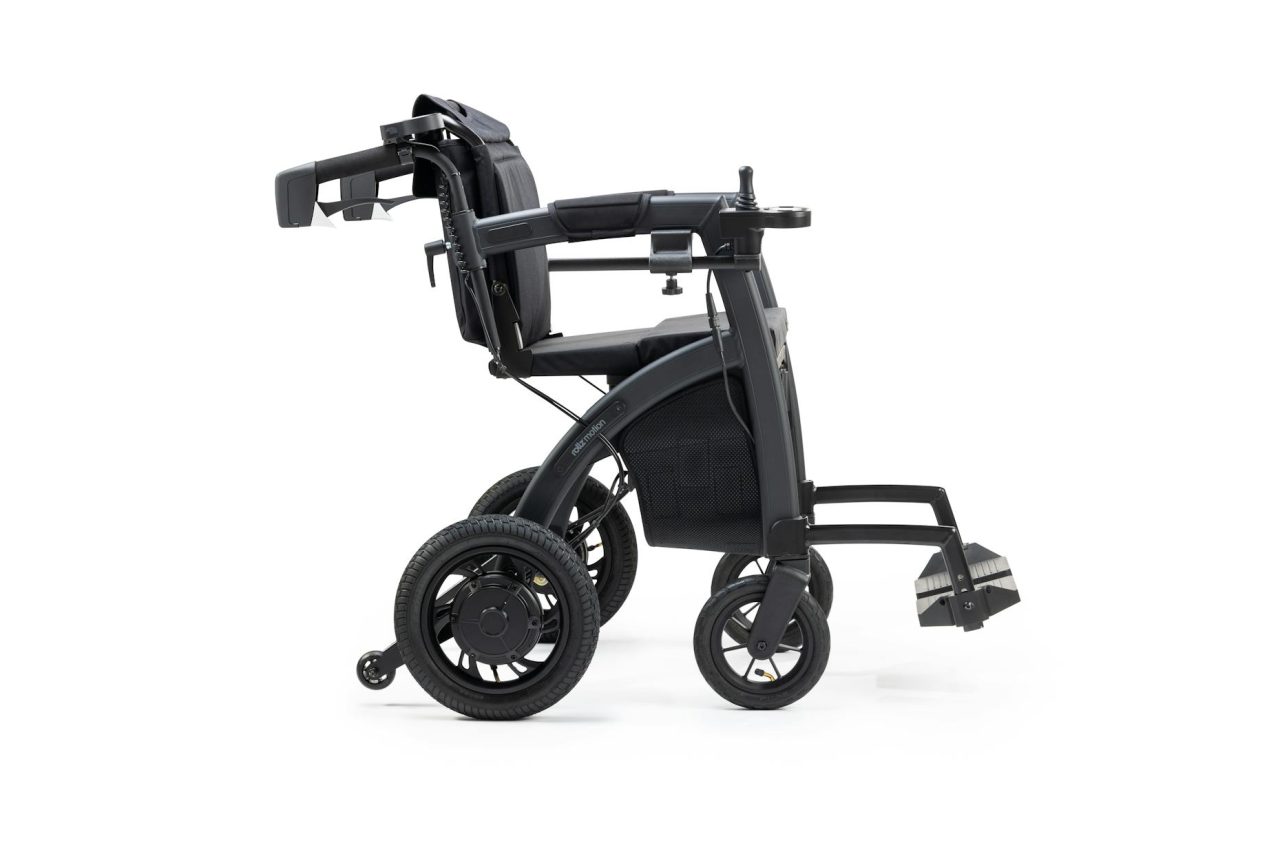
Public transit systems claim to be accessible, but many wheelchair users still face repeated barriers: broken ramps and lifts, cramped interiors, inconsistent staff assistance, and unreliable on-demand options.
These failures turn routine trips into stressful, time-consuming ordeals. This article explains where systems fall short, cites research and guidance, and offers realistic fixes for planners, operators, advocates, caregivers, and riders.
Persistent gaps in wheelchair access on public transport. Public transit often advertises accessible service, yet wheelchair users encounter blocked trips, unsafe transfers, and long waits that others rarely notice.
The promise of ramps, lifts, and securement devices collides with rusted mechanisms, tight interiors, and inconsistent staff support—turning short errands into half-day ordeals. This article is for transit planners, disability advocates, operators, caregivers, and riders who need a clear, practical account of where systems fail and what fixes are realistic.
Physical infrastructure failuresRamps and lifts — absence, malfunction, and unsafe angles. Ramps and vehicle lifts are frontline accessibility devices. Problems fall into three common categories: device absent, device inoperable, or device deployed at an unsafe angle.
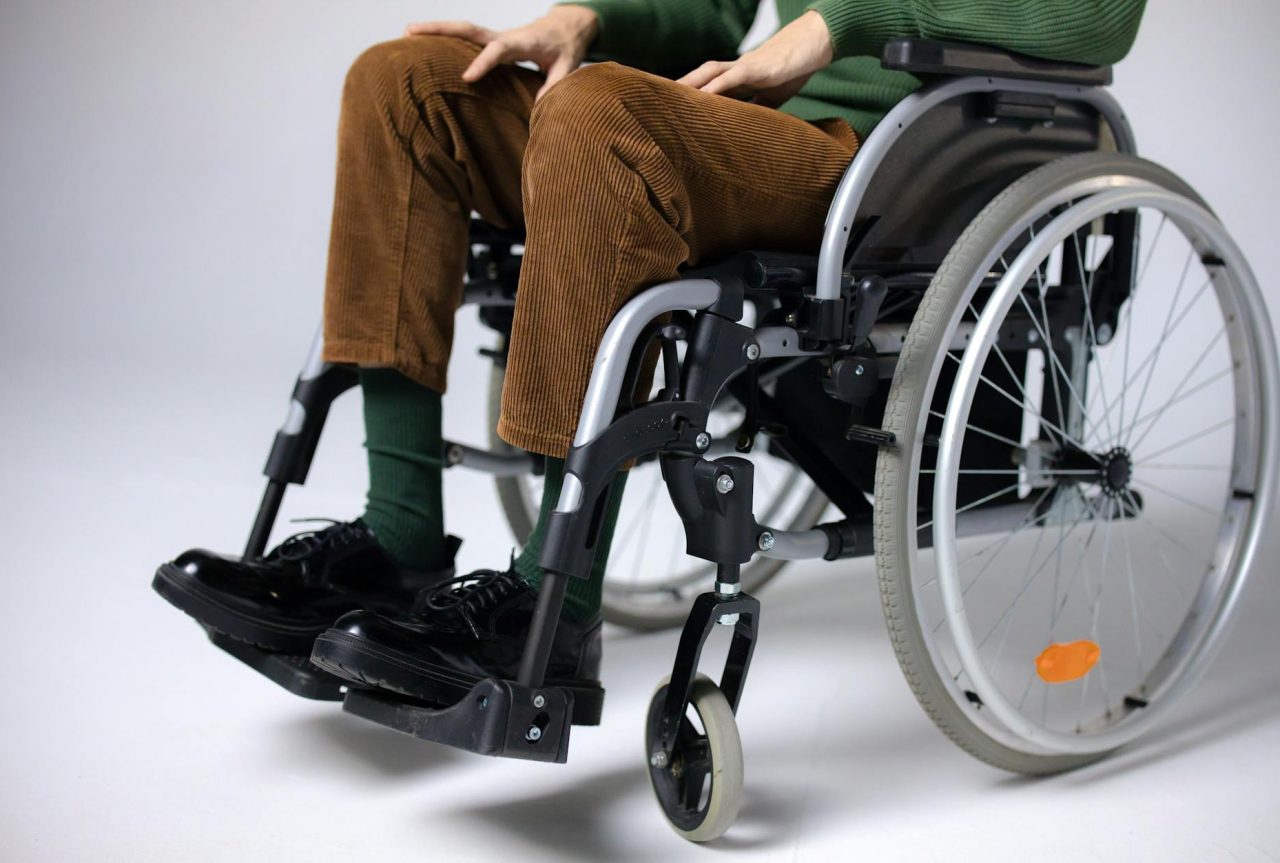
- Absence: Older vehicles and stops still exist on many routes without working ramps or curb cuts. Accessible boarding requires a working vehicle ramp or lift plus a level boarding surface.
- Inoperable equipment: Studies document frequent failures — jammed lifts, dead batteries, and control faults. A lift out of service turns a bus into an inaccessible vehicle; these components often sit on deferred-maintenance lists.
- Unsafe geometry: Ramp angles steeper than about 9.5° (roughly a 1:6 slope) are hazardous, increasing tipping risk. Gaps between the curb and the vehicle and uneven pavement make matters worse and sometimes prompt drivers to refuse boarding.
Operational nuance: ramps that barely reach a raised platform or that deploy unevenly after ground settling create safety concerns and operator hesitation, signaling maintenance and inspection gaps.
Vehicle interior constraints — insufficient space and securement systems. Once on board, many wheelchair users face space and stability failures.
- Insufficient clear floor space: ADA guidance outlines space for forward-facing wheelchairs, but retrofitted vehicles often have narrower aisles. Power wheelchairs commonly measure 25–30 inches wide and need approach clearance and turning room that cramped interiors don’t provide.
- Poor securement devices: Manual tie-downs and shoulder straps demand trained operators and extra time. Docking systems are not universally compatible, and many buses lack functioning securement kits.
- Interior layout mismatches: Priority areas are often occupied by strollers, bikes, or luggage during peak times, blocking access. Fixed seating and barriers can render the dedicated zone unusable for long stretches.
Practical cost note: options such as powered docking stations add roughly $2,000–$6,000 per bus, depending on specification—an upfront cost frequently deferred but directly tied to rider safety and independence.
Operational and human factors. Inadequate staff training and inconsistent assistance. Regulations require operators to assist riders using wheelchairs, but training quality and frequency vary.

- Training gaps: Some operators receive only cursory instruction, while others get hands-on practice. Lack of refresher training leads to inconsistent and sometimes unsafe techniques.
- Attitude and communication: Staff discomfort, time pressure, or poor communication result in refusals or hurried securements. Riders report being told to “wait for another vehicle” rather than being helped to board safely.
- Time pressure: On-time performance metrics and tight schedules incentivize skipping time-consuming wheelchair boardings, especially during peak service.
The DOT’s guidance emphasizes proper assistance and nondiscriminatory treatment, yet daily enforcement is uneven, and supervisors often lack mechanisms to monitor compliance.
Scheduling, reliability, and microtransit gaps for on-demand accessibility. On-demand and microtransit can address last-mile issues but are rarely designed around wheelchair needs.
- Paratransit limits: Guaranteed accessible service often requires 24–48 hour booking, long pickup windows, and higher per-trip costs than fixed-route transit.
- Microtransit limits: Pilots show promise for flexible routing, but many vehicles are not wheelchair-capable, or accessible units aren’t scheduled reliably. Agencies need inventory controls to ensure accessible vehicles are available when requested.
- App friction: Fragmented booking platforms and apps frequently lack filters to request accessible vehicles. Inaccurate ETAs and unclear vehicle type information raise cognitive load for users. For issues with transport apps, see Too Many Transport Apps: Why Users Feel Overwhelmed.
Example: a wheelchair user needing a 9:00 AM clinic visit faces a choice between unreliable fixed-route transfers, a paratransit pickup with a broad window, or microtransit that may send a non-accessible vehicle—making predictable travel nearly impossible.
Policy, compliance, and enforcement challenges: ADA requirements versus real-world maintenance and oversight. The ADA sets standards for vehicles, stops, and operator behavior, but paper compliance doesn’t guarantee functioning accessibility every day.
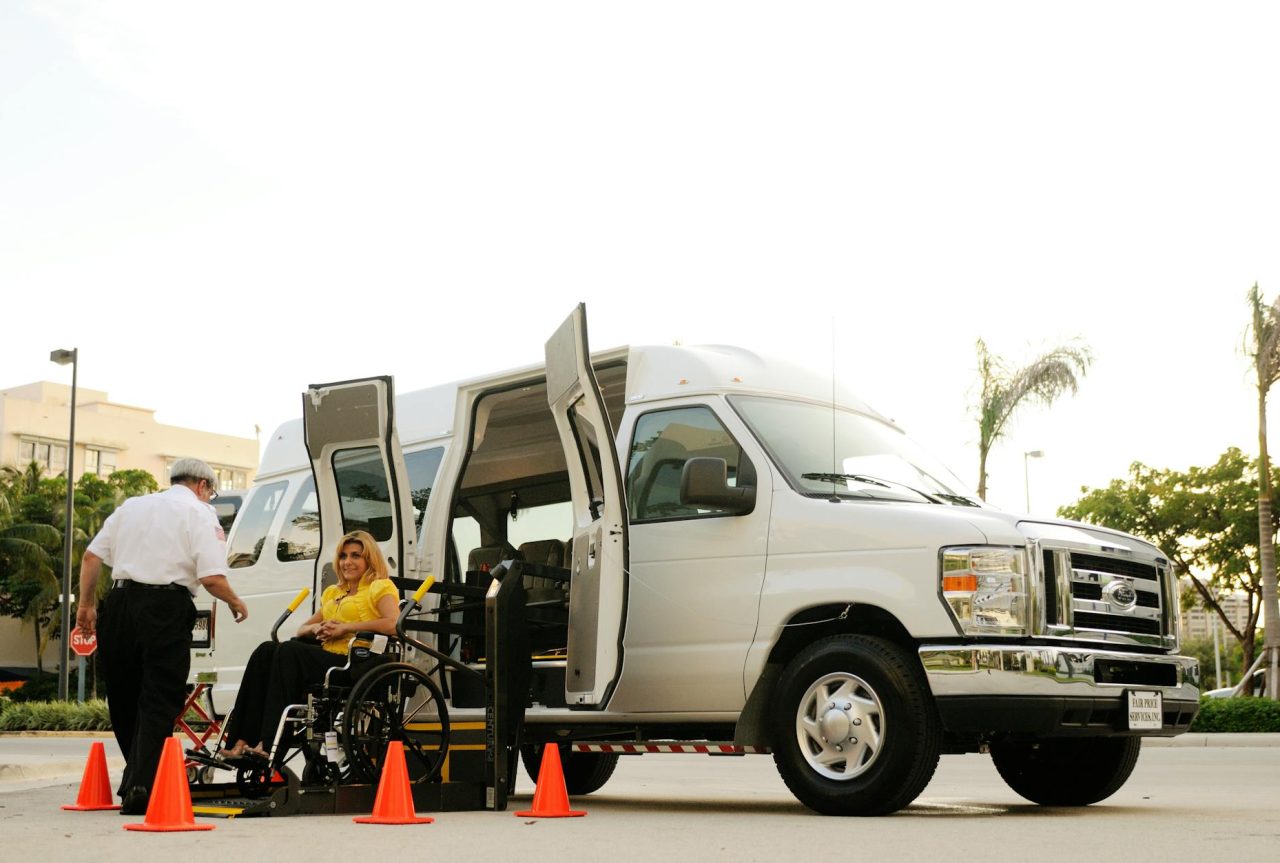
- Maintenance backlog: Agencies often prioritize propulsion and safety-critical systems over accessibility equipment, allowing ramps and lifts to fall into disrepair.
- Inspections and reporting: Routine inspections for accessibility devices are uneven, and passenger complaint systems can be slow or ineffective at producing rapid fixes.
- Enforcement gaps: Civil-rights guidance exists, and operators must train staff, but penalties and oversight depend on local enforcement capacity and political will.
Evidence and guidance: Peer-reviewed reviews and studies document recurring physical barriers, inoperable ramps, and dangerous ramp angles as common issues affecting wheelchair users. Federal Q&A and fact sheets outline operator responsibilities and equipment requirements; advocacy and research groups argue for better maintenance regimes, training, and investment in accessible vehicle fleets.
Practical fixes that work. Maintenance and procurement- Prioritize accessibility equipment in maintenance schedules with dedicated funding lines and clear performance metrics.
- Replace or retrofit vehicles with designs that provide better ramp reach, lower ramp angles, and standardized docking points.
- Track the mean time between failures for lifts/ramps and set replacement thresholds instead of deferring repairs.
Training and operations- Provide hands-on, recurring training for operators on lifts, securement, and communication. Include real-world scenario training (inclement weather, busy stops).
- Adjust scheduling metrics to account for wheelchair boarding time; give operators explicit protocols that prioritize safe boarding over strict adherence to headways.
- Implement audit programs where trained assessors ride routes unannounced to test accessibility equipment and staff response.
Service design and technology- Ensure accessible vehicles are distributed across routes and available for microtransit/on-demand pools through inventory-aware dispatching.
- Improve booking apps with clear filters for accessible vehicles, reliable ETAs, and options for shorter pickup windows for paratransit riders.
- Consider investments in powered docking systems in high-ridership corridors to reduce boarding time and reliance on operator-applied tie-downs.
Policy and enforcement- Strengthen inspection standards for accessibility equipment and require public disclosure of lift/ramp uptime metrics.
- Fund pilot programs that integrate accessible microtransit with fixed-route services and evaluate cost-effectiveness at scale.
- Use complaint data proactively to target maintenance and training interventions rather than as the primary compliance tool.
Where advocates and planners should focus their efforts- Audit: Conduct regular, documented audits of vehicle accessibility, stop/curb conditions, and staffing practices.
- Funding: Secure dedicated funding for accessibility equipment maintenance and accessible vehicle procurement.
- Community engagement: Involve wheelchair users in procurement, scheduling, and training decisions to align services with real needs and priorities.
- Data transparency: Publish uptime metrics, complaint response times, and maintenance schedules so communities can hold agencies accountable.
Final thoughts
Accessible transit requires consistent maintenance, competent staff, appropriate vehicle design, and dispatching systems that make accessibility a routine part of service delivery. Targeted investments and operational changes can reduce the frequent travel barriers wheelchair users face and restore predictability and dignity to routine trips.
Read Next: Too Many Transport Apps: Why Users Feel Overwhelmed
Read Next: How Self-Driving Shuttles Can Improve Public Transport
Read Next: Why Rural Areas Are Still Left Out of Smart Mobility Systems