
Introduction:
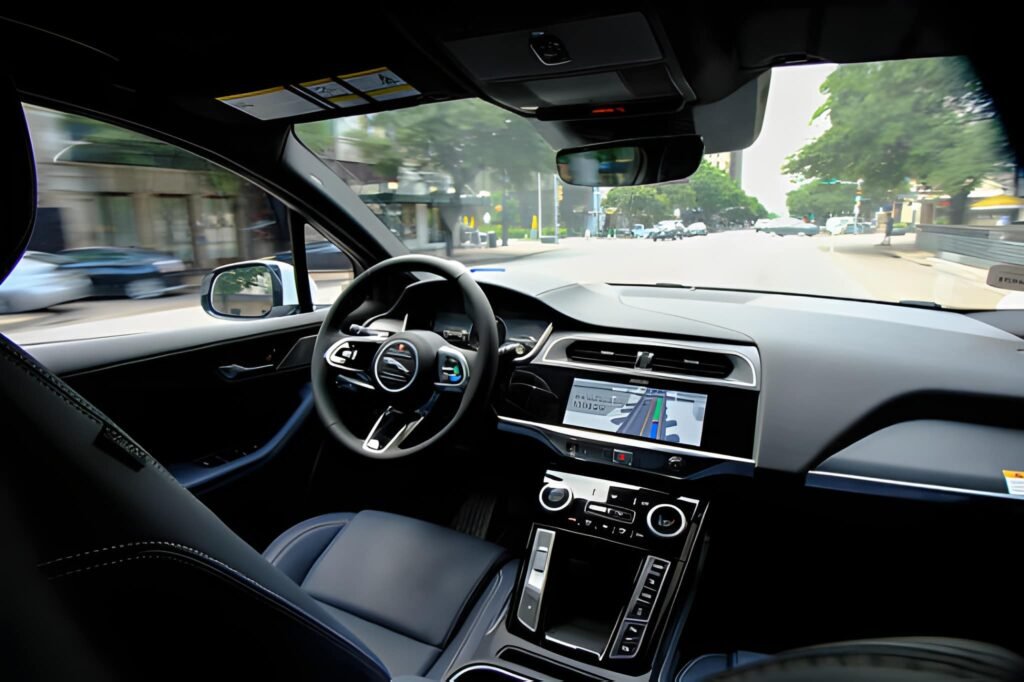
Autopilot vehicles have ceased to be a dream. Assisted systems are now driven by a large number of drivers. This paper describes the operation of Tesla Self Driving Technology in the modern world. It includes major aspects, actual progress, and definite borders. It is aimed at enabling readers to learn truths without exaggeration. It remains centered around the behavior of the system in real use. This is an important subject since adoption is based on safety and trust.
How The System Is Designed
The system is based on cameras installed on the vehicle. These cameras monitor traffic signs, watch lanes and the surrounding traffic. This visual data is read in real time by software. The car drives depending on the patterns it learns. Updates enhance behavior by way of fresh information. The goal of engineers is to imitate the logic of human driving. The system is acquired by contrasting actions and results. This design eliminates additional sensors and is vision-oriented.
Major Driving Characteristics Expressed
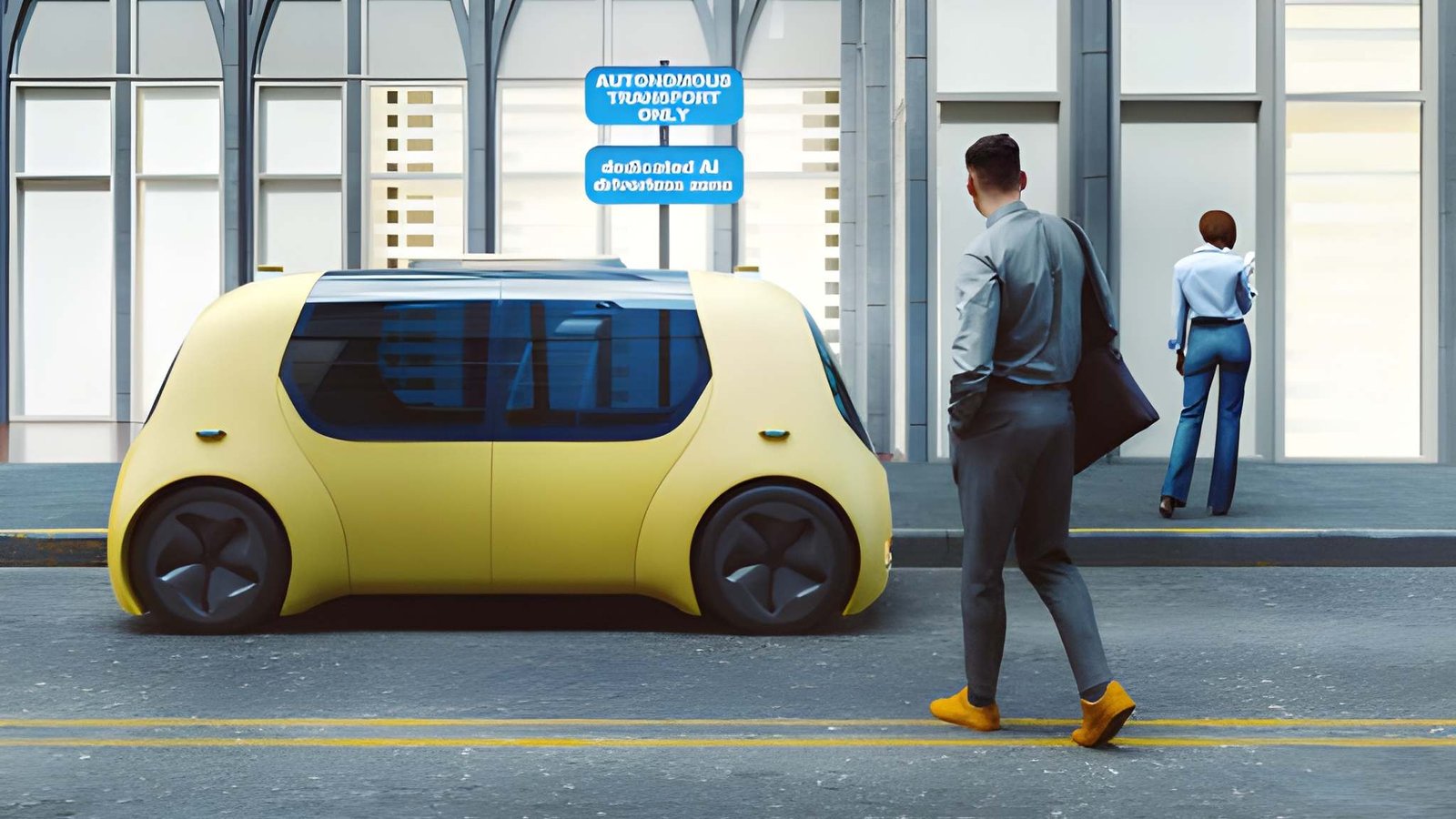
Numerous devices aid in everyday driving. The automobile can maintain lanes on highways. It regulates speed depending on the traffic. It is capable of slowing down around the crossing. Others of them are attempts to do so, in the city streets. In narrow parking spots, the parking service assists. It is also due to traffic signal recognition. The combination of these tools is Tesla Full Self-Driving Features. There is also a need to have drivers monitor the road.
Progress Made Over The Years
There has been an increase in technology. The primitive models only served highways. More recent releases handle more sophisticated roads. The software updates are frequent via wireless delivery. Every update perfects braking and steering decisions. User feedback enables the detection of errors quickly. The past influences the present behavior with all those miles of data. Tesla Self Driving Technology demonstrates apparent growth in the middle of this trip. And yet development is still unequal.
Real-Life Performance And Challenges
The most difficult part is city driving. The actions of pedestrians are unpredictable. Visual systems get disoriented in construction areas. Lane marking mistakes occur due to poor lane markings. The camera is also influenced by the weather. Rainfall causes low visibility. Snow can hide road edges. Glare caused by the bright sun may occur. These difficulties demonstrate why complete automation is a challenge. Human control is still necessary.
Precautionary Measures And Accountability Of The Drivers.
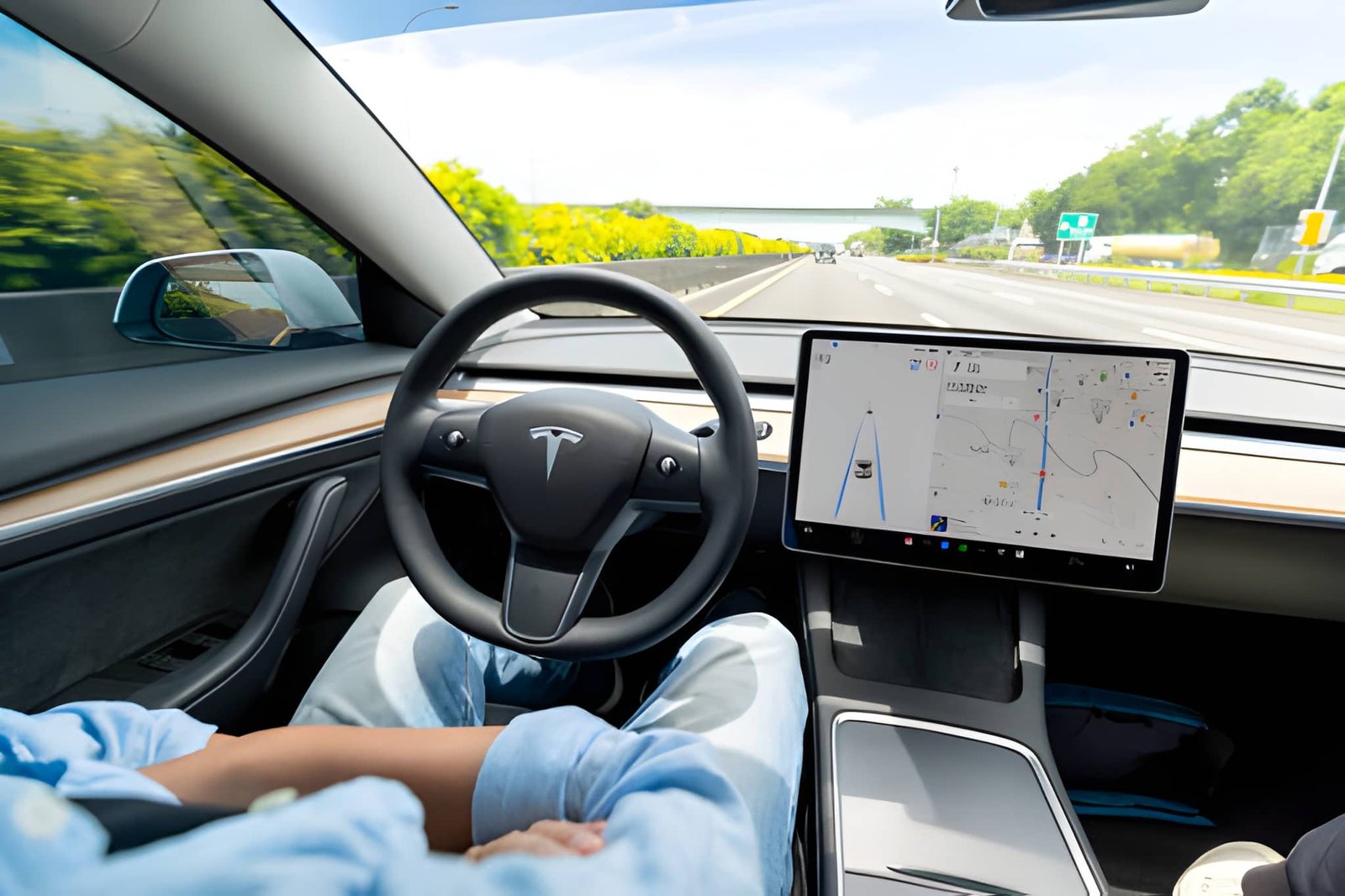
Safety is based on shared control, and the driver must remain alert at all times when using Tesla Autonomous Driving. Hands should be prepared to steer, and whenever there is a loss of attention, Tesla Autonomous Driving sends alerts to the driver. The system can be restricted or disabled if misused. Viewpoint cameras monitor the driver to ensure attentiveness, and these measures help minimize risky behavior. Tesla Autonomous Driving assists in driving but is not a substitute for human judgment, and liability always remains with the human driver.
Legal And Ethical Limits
Rules differ across regions. Other regions limit high automation. Legislators are behind the software changes. There are still questions of liability. Ethical issues deal with split-second decisions. The system is programmed on priorities. These regulations might not be in line with human instincts. Openness assists in developing trust. Future deployment will be formed in clear laws.
Future Prognosis Of Tesla Autonomous Driving
Software models are still being perfected by developers, and continued improvements in training data can help minimize errors. Accuracy can be further increased through hardware advancements supporting Tesla Autonomous Driving. Nevertheless, complete autonomy within Tesla Autonomous Driving must be thoroughly validated and authenticated. Public trust grows slowly, and regulators require strong evidence of safety. Progress in Tesla Autonomous Driving is likely to occur in small, incremental steps, making it important for goals to remain realistic and down-to-earth.
Conclusion
Autopilot systems provide handy assistance in the present day. They ease the workload on long drives, but even Self Drivings require human control and attention. Knowledge of capabilities and weaknesses is important for safety. Tesla Self Driving Technology, including modern Self Drivings, functions as an advanced driving assistant rather than a replacement for conscious driving. To make the best use of Self Drivings, they should be used responsibly and with proper understanding.
FAQs
Is fully autonomous driving safe enough to be used every day?
It can assist with many tasks. The drivers are to remain alert. There should be proper use and conditions that determine safety.
Can full autonomy be made available?
There is no fixed timeline. The progress is made by gradual development. Other factors will also be the regulatory approval, which will cause the release.
What impact does the weather have on the performance of the system?
The visibility of the camera is diminished by rain, snow, and fog. Poor conditions may restrict functions in the system.
Does it have any legal restrictions on the use of self-driving features?
Yes, rules vary by location. Some areas limit some functions. Drivers have to adhere to the local laws.
Does the system gather driving information?
Yes, data assists in enhancing performance. The use of information is regulated by privacy policies.
For more information visit our Pinterest Account.