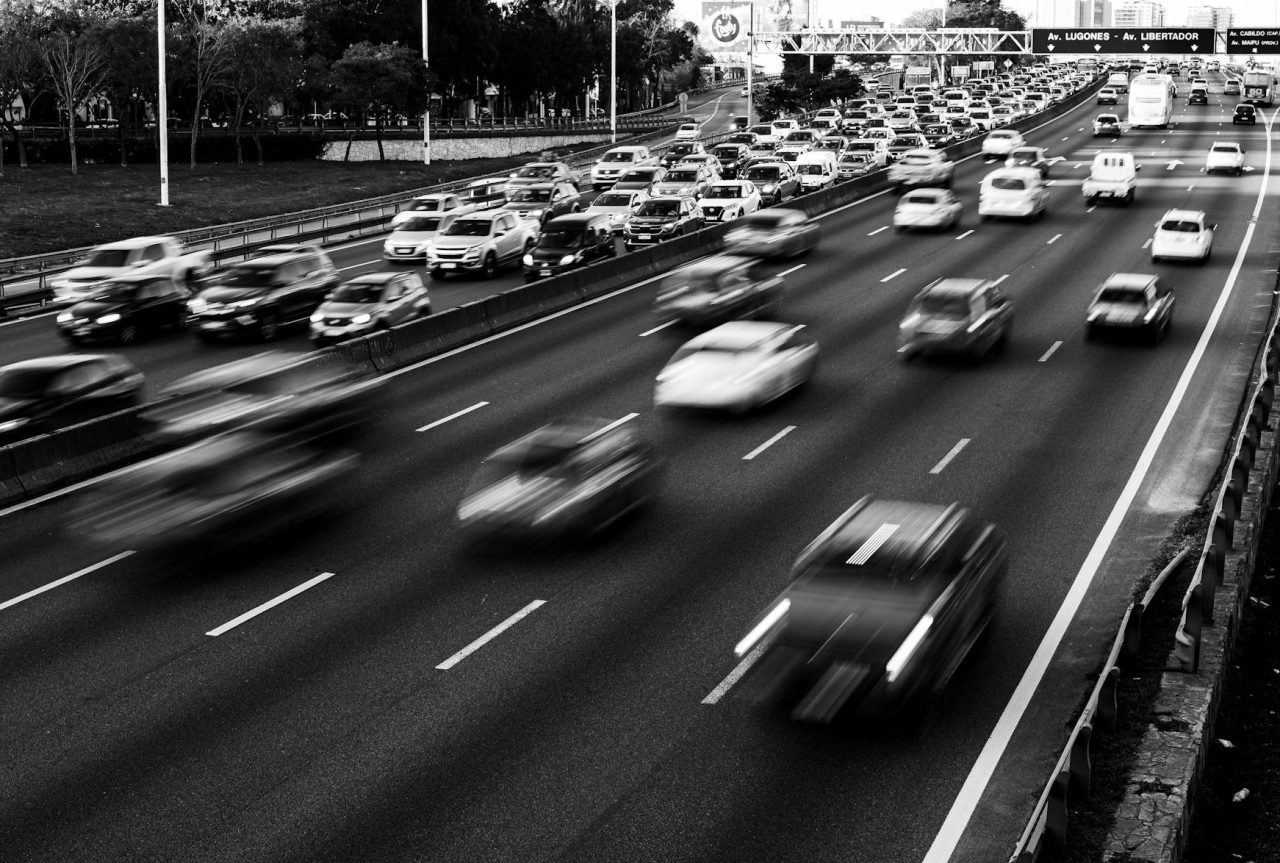
Urban intersections are the chokepoints of any city: a single poorly timed signal creates idling queues, wasted fuel, and tense near-misses between buses, bikes, pedestrians, and AVs.
Smart city traffic lights that communicate with autonomous vehicles transform signals from rigid timers into coordinated decision nodes that reduce delay, manage conflicts, and improve predictability across modes.
You’ll feel at home if your team values timestamped diagnostics and service-level agreements over flashy demos; skip pilots that lack maintenance funding because hardware left unserviced quickly loses value.
Key technologies that make AV signal integration work
Perception hardware and edge computing
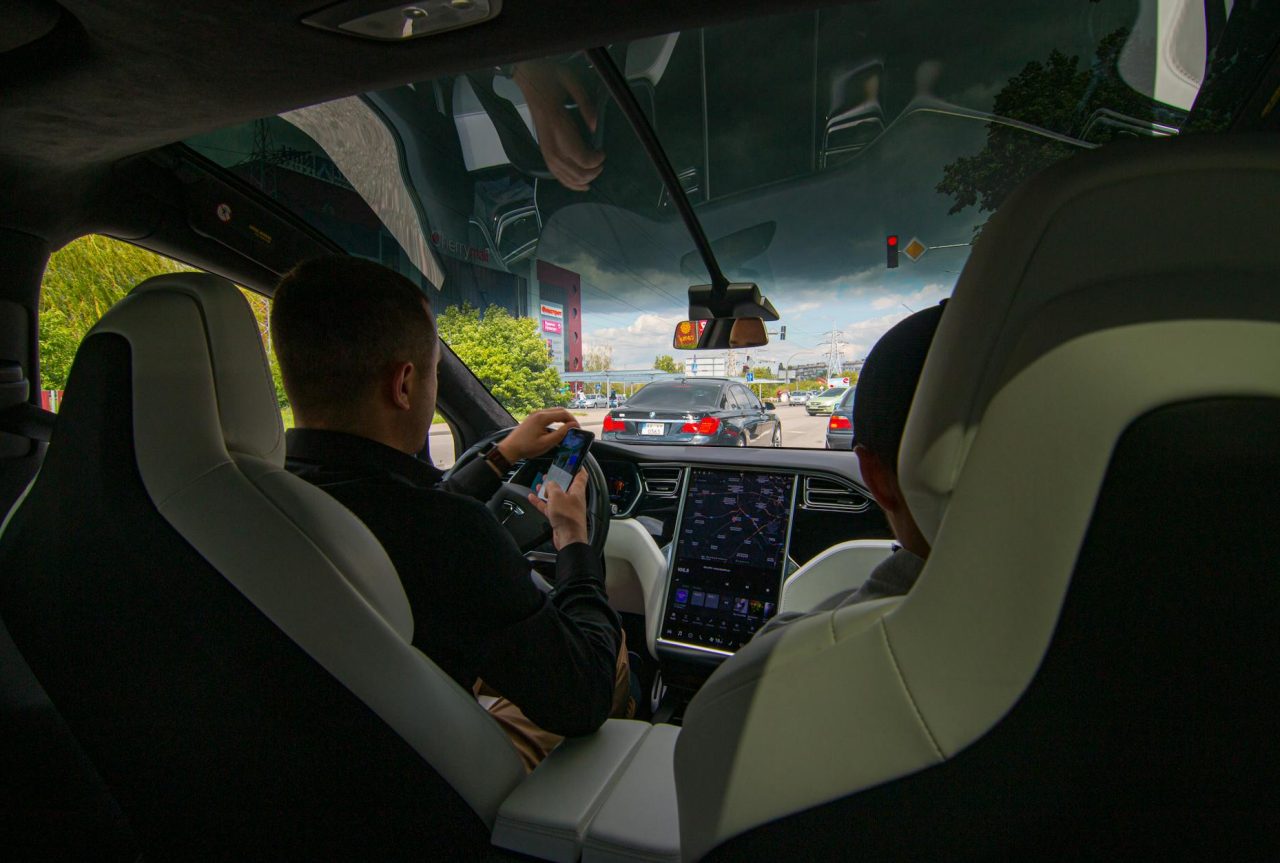
Modern intersections combine modalities: video for classification, radar for range and velocity in poor visibility, targeted LIDAR in high-value crossings, and environmental sensors for wet/surface state. The decision to place inference at the edge or in the cloud is a trade-off between latency, bandwidth, and privacy.
- Video detection feeds object classification and trajectories to signal controllers; run models at the edge when you need under 50–100 ms response.
- Radar is robust in rain and fog and helps detect cyclists and motorcycles when cameras fail.
- Edge compute reduces raw-video transit: helping privacy and latency; complemented with cloud uploads for historical analytics.
Communications: DSRC, C‑V2X, and Cellular IoT
Vehicle-to-everything messaging sends SPaT (signal phase and timing), priority requests, and advisories. Two practical approaches dominate:
- DSRC — mature: low-latency for local tasks, but harder to scale regionally because of hardware requirements.
- C‑V2X with4G/5G — scales across cities: leverages cellular IoT and multi-access edge computing (MEC), but requires carrier SLAs for predictable latency.
Decision factor: choose DSRC for compact pilots needing predictable local latency; choose C‑V2X when geographic reach and integration with telco services matter. For intersection-critical tasks, target end-to-end latency below 100 ms and aim for sub-50 ms where maneuvers depend on it.
Always budget the latency for sensing, processing, network transit, and on-vehicle planning.
What integration delivers: measurable benefits, and where they appear first
Outcomes cluster into safety, efficiency, and emissions reductions. The distribution of benefits depends on fleet penetration, corridor design, and policy choices.
- Safety: direct SPaT access reduces red-light violations and improves conflict resolution at turns; pedestrian intent models lower crossing conflicts.
- Efficiency: adaptive signals coordinating AV platoons reduce stops per mile; pilots show corridor wait-time drops of around 10–30% where AVs and adaptive control are active.
- Emissions: fewer idle cycles cut CO2 and particulates; the biggest gains occur on diesel-heavy routes and places with many signalized stops.
Worth it when you prioritize high-injury corridors and fleet-heavy routes. General traffic benefits tend to lag until AV penetration grows or algorithms explicitly protect mixed traffic equity.
Common failure points, diagnostics, and mitigations
Many projects fail not from a single bug but from chains of small, foreseeable issues. Below are the recurring failure modes with pragmatic tests and fixes.
Signal timing conflicts and priority oscillations
Symptom: repeated phase overrides, unstable green splits, or transit delays. Diagnostic: controller logs showing frequent priority grants and short green durations.
Fix: add a priority arbitration layer with explicit rules and cooldown timers (for example, limit grants to once per cycle or enforce a minimum inter-arrival gap of 10–15 seconds).
Sensor degradation and environmental impacts
Symptom: sudden drops in detection confidence or spikes in false positives. Diagnostic: automated health checks comparing detection counts to baselines over 24–72 hours.
Fix: schedule optical cleaning every 30–90 days in dusty climates, run automated recalibration after power-cycles, and choose radar or thermal sensors in high-glare or coastal salt environments.
Data latency and stale SPaT
Symptom: AVs acting on old signal states. Diagnostic: timestamped round-trip latency logs and SPaT packet versioning.
Fix: implement local fallback where vehicles cross-check SPaT with onboard perception and adopt conservative behavior if SPaT age exceeds a safety threshold (for advisory messages keep under 200–300 ms; for safety-critical SPaT aim under 100 ms).
What people miss: many pilots skip robust failure-injection testing. Simulate packet drops, sensor occlusion, GPS multipath, and network handovers during validation to find emergent issues before public deployment.
Safety, required tools, and when to call professionals

Safety is non-negotiable and combines functional safety, SOTIF (safety of the intended functionality), and cybersecurity. Below are must-have tools, required routines, and clear triggers for professional involvement.
- Safety steps: perform a SOTIF assessment and follow ISO21448 principles where applicable; align vehicle-side systems with ISO26262 practices and enforce encrypted V2X channels and certificate rotation.
- Tools: handheld spectrum analyzer for RF checks; camera test targets and a light meter for tuning; lane-level GPS or RTK baselines for mapping; a test rig for sun/thermal cycles; and cabinet-level tools for wiring and grounding verification.
- Maintenance cadence: camera cleaning and firmware security patches every 30–90 days; full system failover and arbitration tests every 6–12 months.
Call a professional systems integrator or mechanic when replacing a primary controller, certifying a safety case, or addressing cabinet wiring and grounding. Don’t work inside live signal cabinets without traffic control and lockout/tagout—mis-wiring can create hazards and legal exposure.
Deployment roadmap: staged rollout with measurable checkpoints
Scale thoughtfully. Below is a compact timeline table you can use as a scannable checklist for city programs.
| Phase | Timeline | Key activities |
|---|---|---|
| Pilot selection | 3–6 months | Choose 4–12 intersections, baseline traffic and safety metrics, and confirm cellular and power availability |
| Hardware & comms install | 2–4 months | Install RSUs/C‑V2X modules, edge nodes, sensors; configure NTP/PTP and certificate systems |
| Integration & validation | 3–6 months | Enable SPaT messaging, priority arbitration, and fallback; run failure-injection tests |
| Scale & adapt | 6–24 months | Adjust policies, add corridors, integrate transit and emergency services, and publish rollout plan |
Decision points to settle early: who manages PKI and trust (city-run PKI versus telco broker), which intersections to upgrade first (focus on high-injury networks), and the privacy trade-offs between edge processing and centralized analytics.
Realistic example: mid-sized city pilot
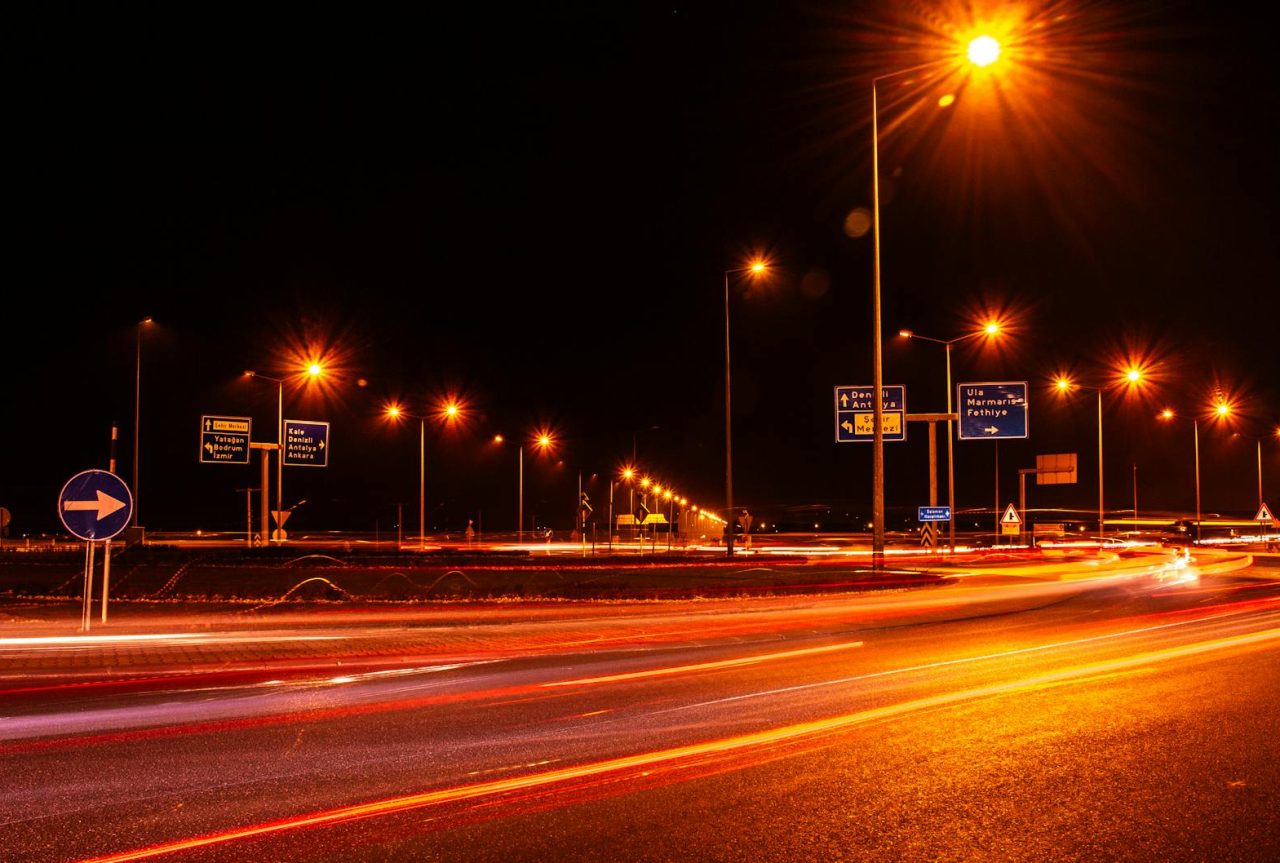
A mid-sized city selected four downtown corridors totaling 12 intersections. They installed cameras and radar, C‑V2X RSUs with MEC nodes, and a policy where transit could get one priority grant per cycle while AV platoons could request passes limited to20% of green time.
Outcome: corridor travel times fell about12% for all vehicles and25% for AV fleets, but bus on-time performance improved only marginally because bus bunching needed operational fixes beyond signal timing.
The lesson: involve transit early to avoid asymmetric benefits.
Experience-based operational tips
Timestamp everything with PTP or tightly-managed NTP: synchronized clocks solve most dispute investigations.
- Run a daylight-cycle camera test rig to spot late-afternoon glare failures—many cameras pass morning checks and fail later.
- Rotate pilot V2X certificates every 24–72 hours to surface provisioning issues quickly; longer cadences mask operational faults.
- Build dashboards showing SPaT age: sensor health, and latency percentiles (p50, p95, p99). Alert on p95–p99 spikes to catch chronic problems.
Common observation: during early pilots, technicians often discover the cabinet has no spare power or space—budget for cabinet refit before ordering sensors. Another frequent note: staff underestimates the time needed to get carrier SLAs for consistent C‑V2X performance.
Common Mistakes
Deploying V2X without a fallback: design conservative behaviors for non-equipped vehicles and pedestrians, and test them in the field.
- Overfitting signal timing to ideal AV behavior: avoid algorithms that reward AVs at the expense of buses and cyclists; bake equity rules into arbitration.
- Underestimating environmental maintenance: coastal salt, heat, and dust dramatically shorten sensor uptime if not planned for.
- Skipping real-world latency tests: lab numbers miss cellular handovers and event-day congestion—test at peaks and during public events.
When to consult a mechanic or systems integrator?
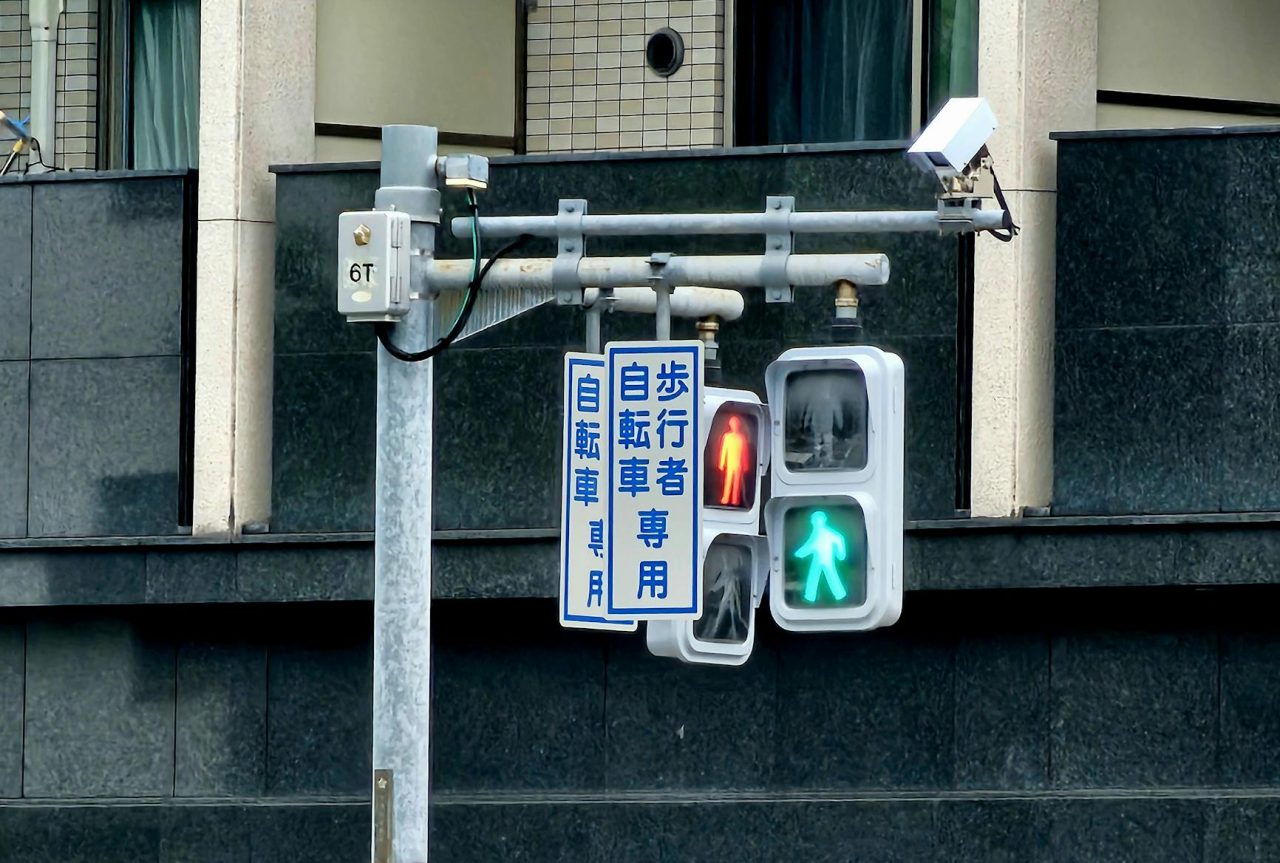
Replacing a traffic controller or changing safety-critical firmware.
- Certifying a safety case for complex multi-leg intersections involving mixed human and AV traffic.
- Addressing cabinet wiring: grounding issues, or installing new power circuits—these require permit-controlled, hands-on expertise.
FAQ
Can existing traffic lights be retrofitted for AV integration?
Yes. Most retrofits add RSUs, edge compute, and sensors to existing cabinets. The main constraints are controller compatibility (ability to export SPaT or provide an API), available power and cabinet space, and fiber or cellular backhaul. Budget several weeks per intersection for installation and testing.
Which standard should my city adopt: DSRC or C‑V2X?
Pick DSRC for compact pilots, prioritizing local, predictable latency, and when vehicle hardware already supports it. Choose C‑V2X for city‑wide rollout or when you need carrier-managed geographic reach and integration with cellular IoT. Carrier SLAs and MEC design become critical with C‑V2X to hit latency targets.
How do we manage mixed traffic with non‑V2X road users?
Assume most road users are unequipped and design fallback behaviors accordingly. Use perception stacks to detect pedestrians and cyclists, reserve green-time budgets for non‑equipped modes, and encode equity rules in the priority arbitration layer so buses and cyclists do not lose out to platoons.
What latency targets should we plan for?
Safety-critical SPaT used in maneuver planning should be under 100 ms end-to-end, with sub-50 ms preferred for tight maneuvers. Advisory messages like recommended speeds can tolerate 200–500 ms if age-of-information is attached and vehicle logic respects timestamps.
How quickly will I see benefits?
Measure baseline travel times, stops per mile, and safety incidents for 3–6 months pre-deployment. You may observe measurable improvements within 3–6 months after tuning, but corridor-wide equity and policy impacts often take 12–24 months to stabilize as penetration and policy evolve.
Practical close: first steps worth doing
Start with 4–12 intersections that combine high-injury rates, mixed multimodal use, and consistent fleet activity. Instrument them with synchronized timestamps, health checks, and a certificate lifecycle plan.
Test failure cases early—simulate packet loss, occlusion, and GPS multipath—and plan maintenance funding before you deploy. Smart city traffic lights integrated with AVs are not a silver bullet, but when paired with disciplined engineering and clear arbitration rules, they turn intersections from choke points into managed assets that improve safety and throughput.
Read Next: EV battery degradation — autonomous driving impact
Read Next: Parking space shortages — AV self‑parking solutions
Read Next: Why Ride-Share Fleets Struggle With Scheduling (And Smarter Fixes)
Read Next: Why Rural Areas Are Still Left Out of Smart Mobility Systems