Battery Drain From Sensors: Efficiency Fixes
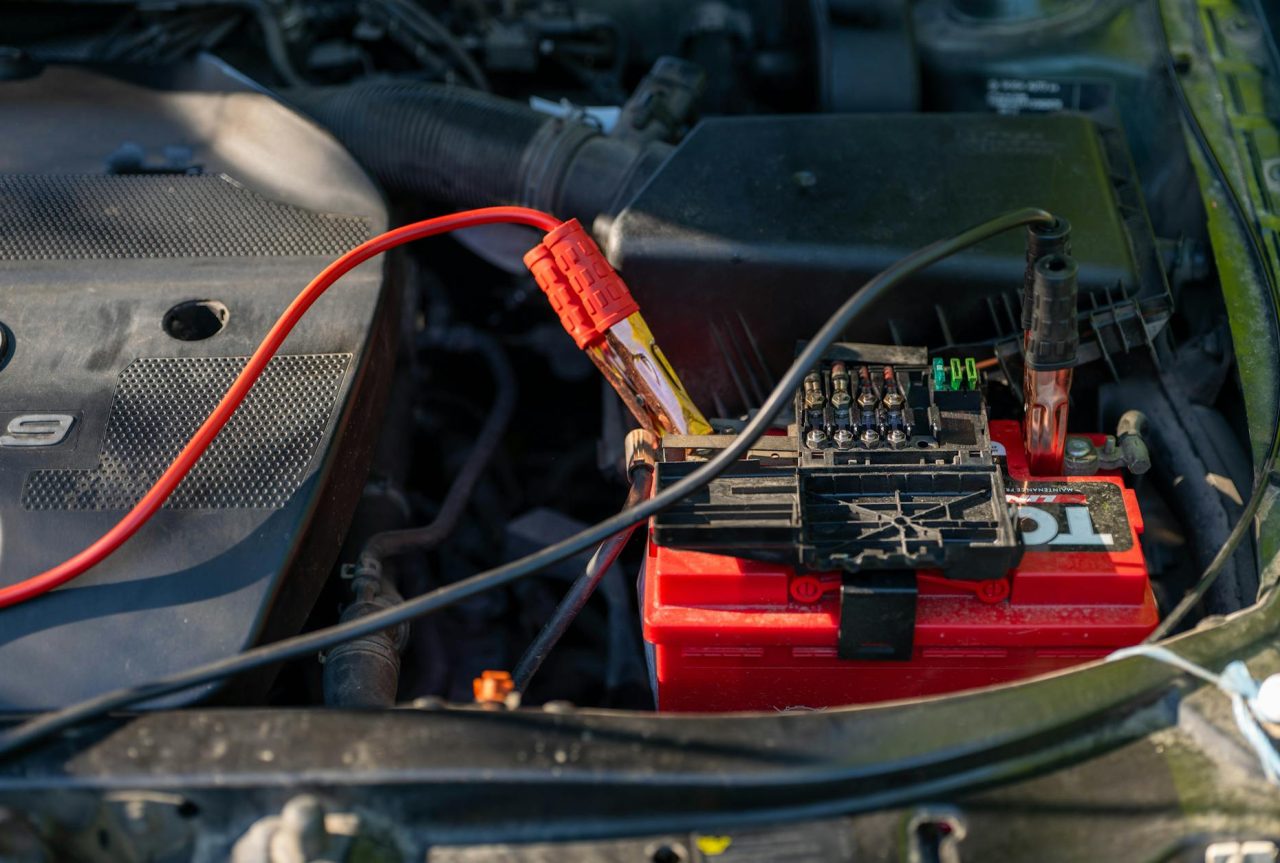
Sensors are often always listening: door contacts that light the dome, motion sensors that heartbeat to a hub, GPS and camera modules that wake radios. … Read more
Sensors are often always listening: door contacts that light the dome, motion sensors that heartbeat to a hub, GPS and camera modules that wake radios. … Read more
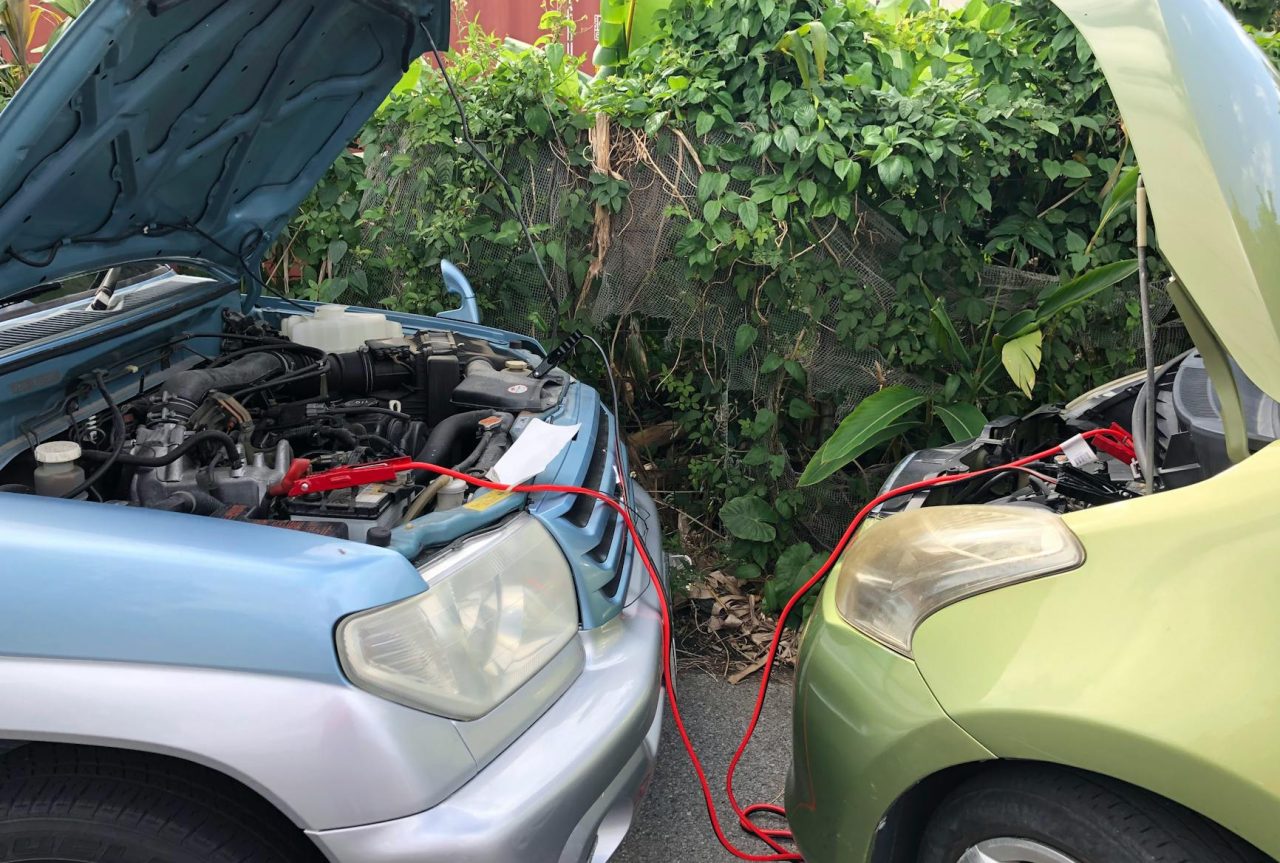
Automated parking systems (PARCS) reduce queues and staffing but add layers of mechanical, electrical, and software complexity that can fail in ways manual systems rarely … Read more

You can feel a merge coming before you see it: brake lights flare, a line of cars compresses, and the lane drop sign hangs over … Read more
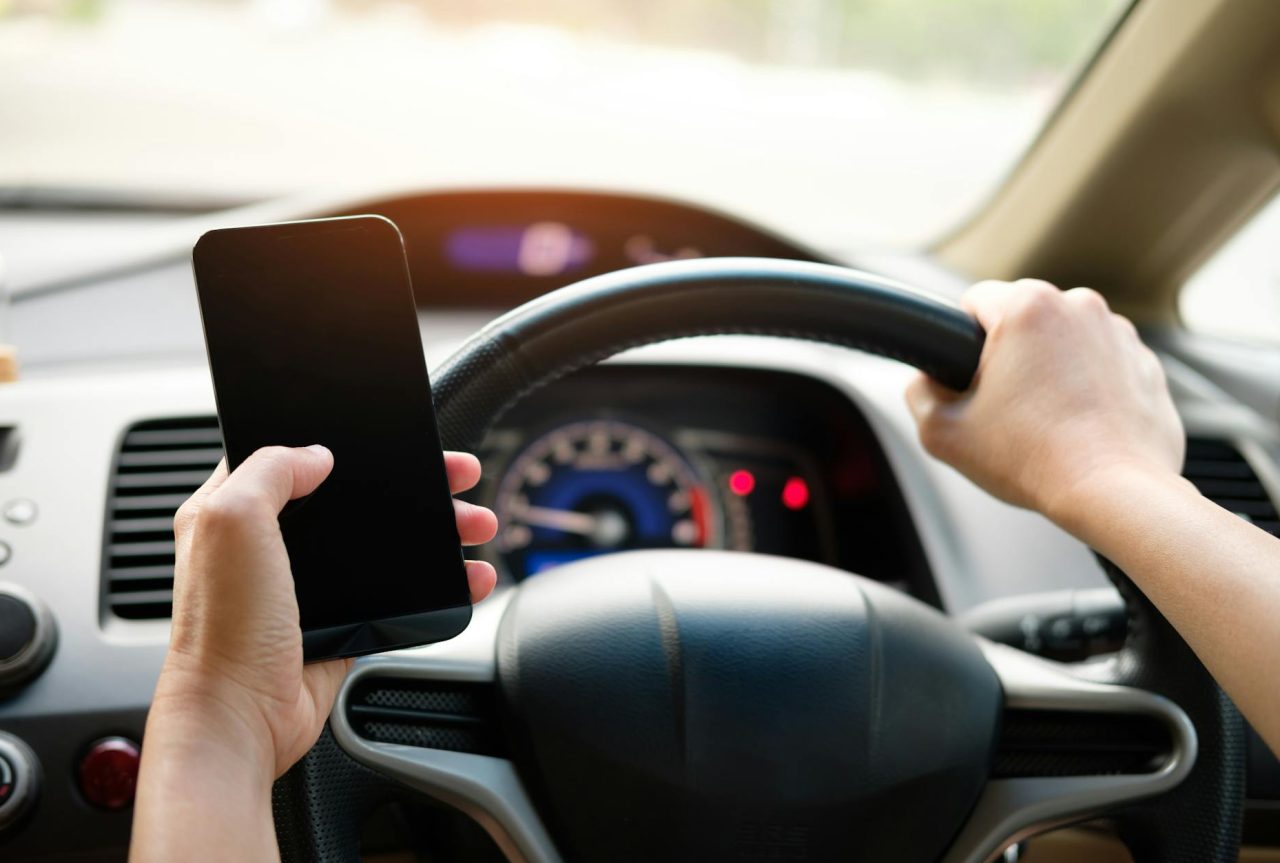
Self‑driving cars combine sensors, control electronics, connectivity, and cloud services into a single tightly coupled system. That makes them powerful—and a larger target: a hacked … Read more

Traffic light recognition failures are not hypothetical: they create hesitation, incorrect right-of-way decisions, and crashes when vehicles or drivers misread signals. Low-angle sun can wash … Read more

GPS dead zones are not just an annoyance for drivers; they remove an absolute positioning reference that autonomous systems rely on to make timely, lane-level … Read more

Pedestrian detection errors have direct consequences on urban safety and commercial operations. A missed pedestrian at night or an unnecessary emergency brake in a crowded … Read more

Fog turns vehicle perception from a reliable data stream into a layer of noise. The phrase “lidar vs radar confusion” crops up because operators and … Read more
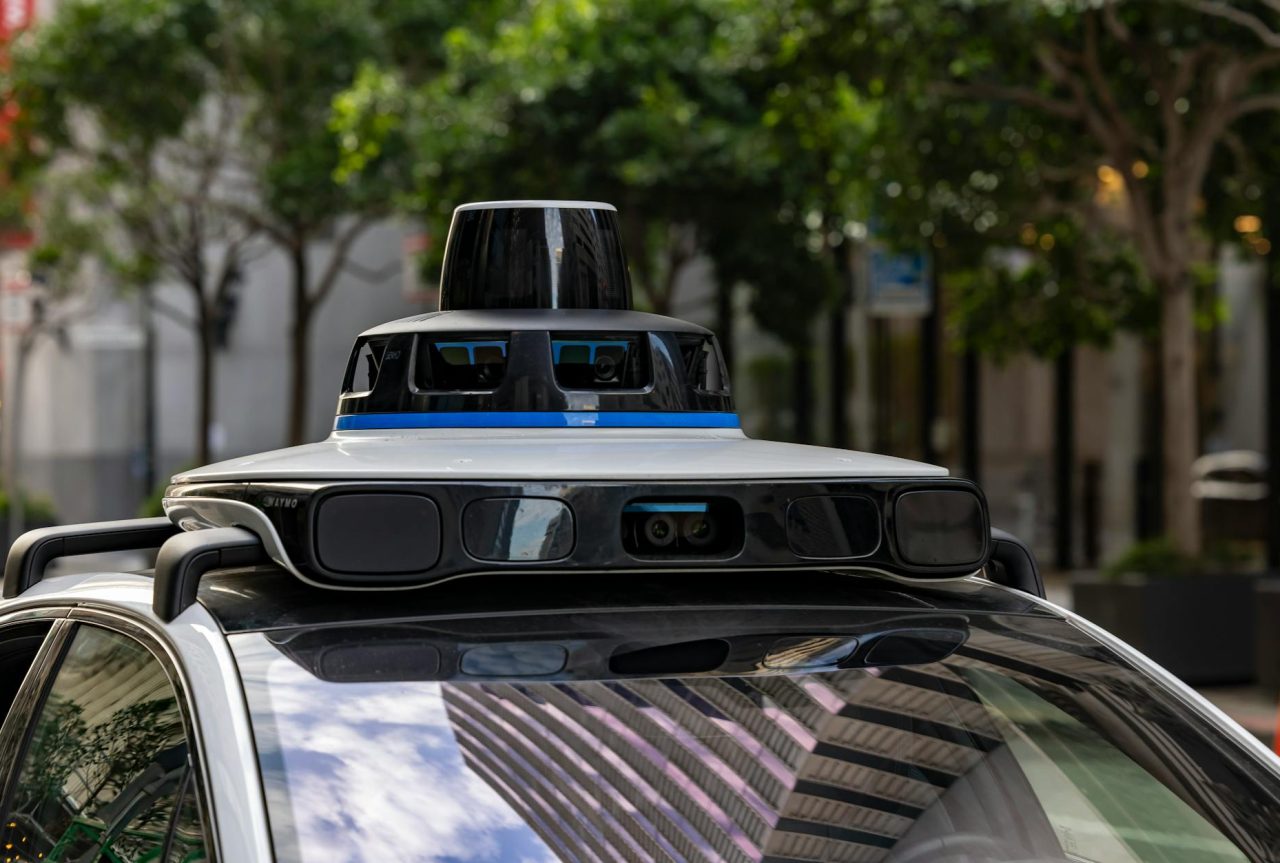
Sensors in autonomous cars observe different physical properties: cameras capture color and texture, LiDAR maps geometry, and radar senses motion through RF reflections. Each has … Read more