Too Many Transport Apps: Why Users Feel Overwhelmed

Smartphones once held a single maps app; now commuters routinely juggle routing, ticketing, paratransit, micromobility, and translation apps. Each app pulls from different data sources, … Read more
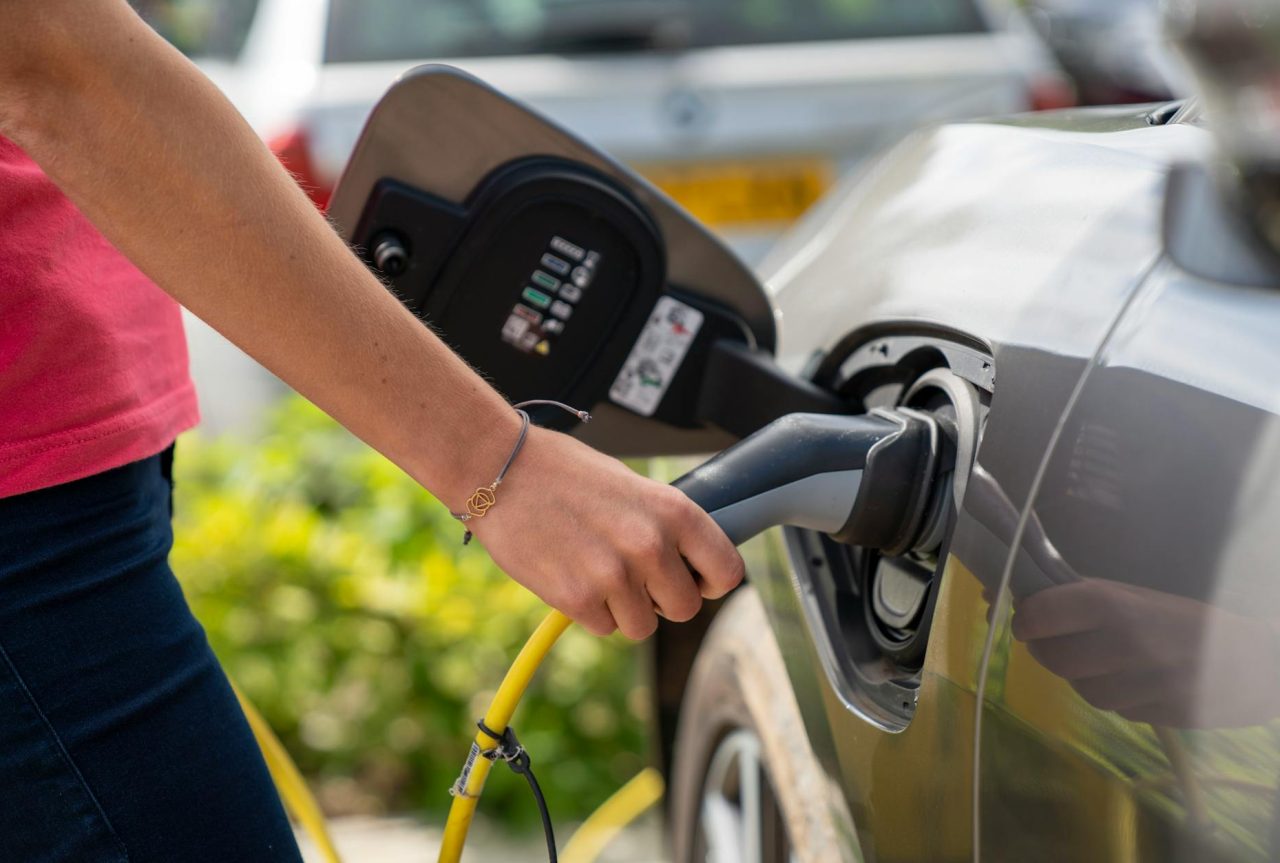
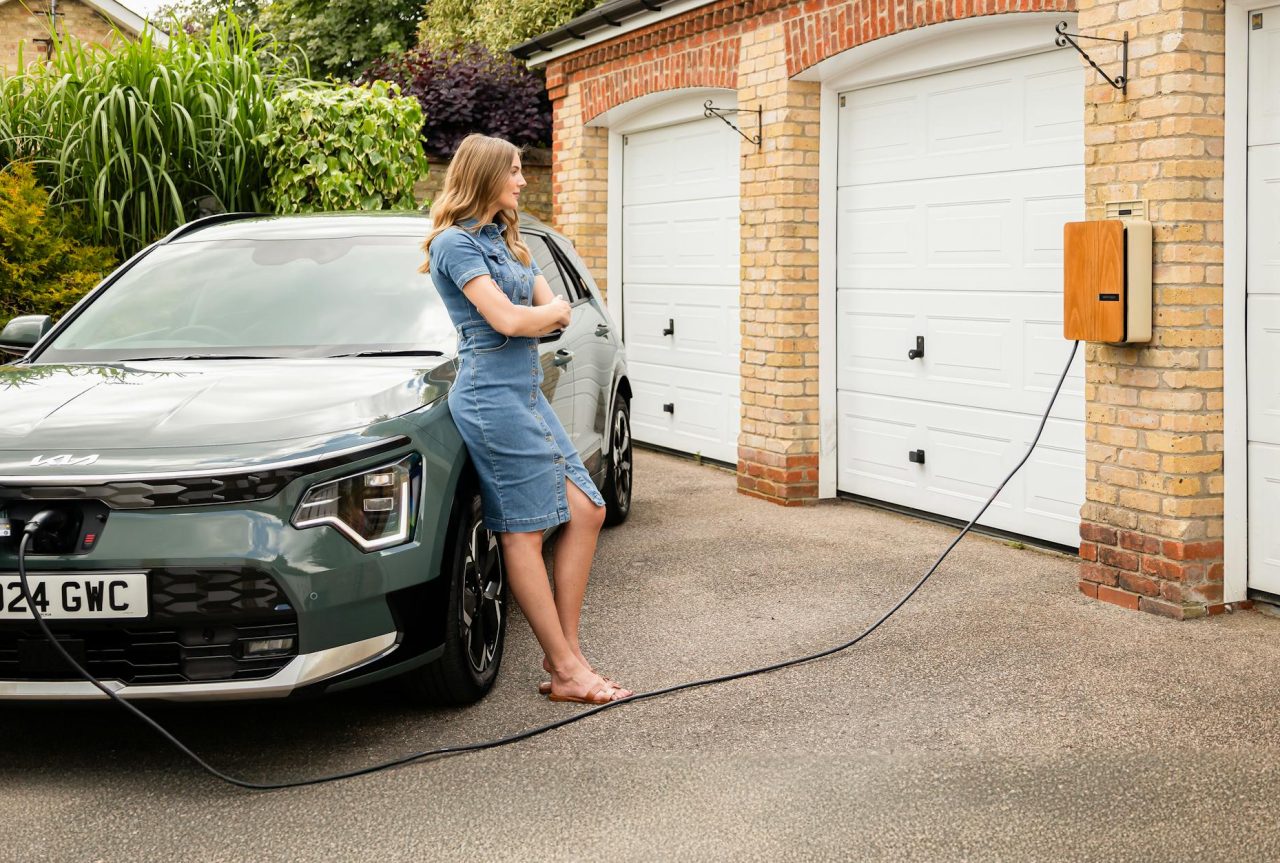
Bad weather makes two things matter more when charging an electric vehicle: how readily the battery accepts energy, and how reliably the charger and connector … Read more
Public charging is a shared infrastructure that needs rules. Charging sessions are longer than fueling a gas car, and small lapses—leaving a car parked after … Read more
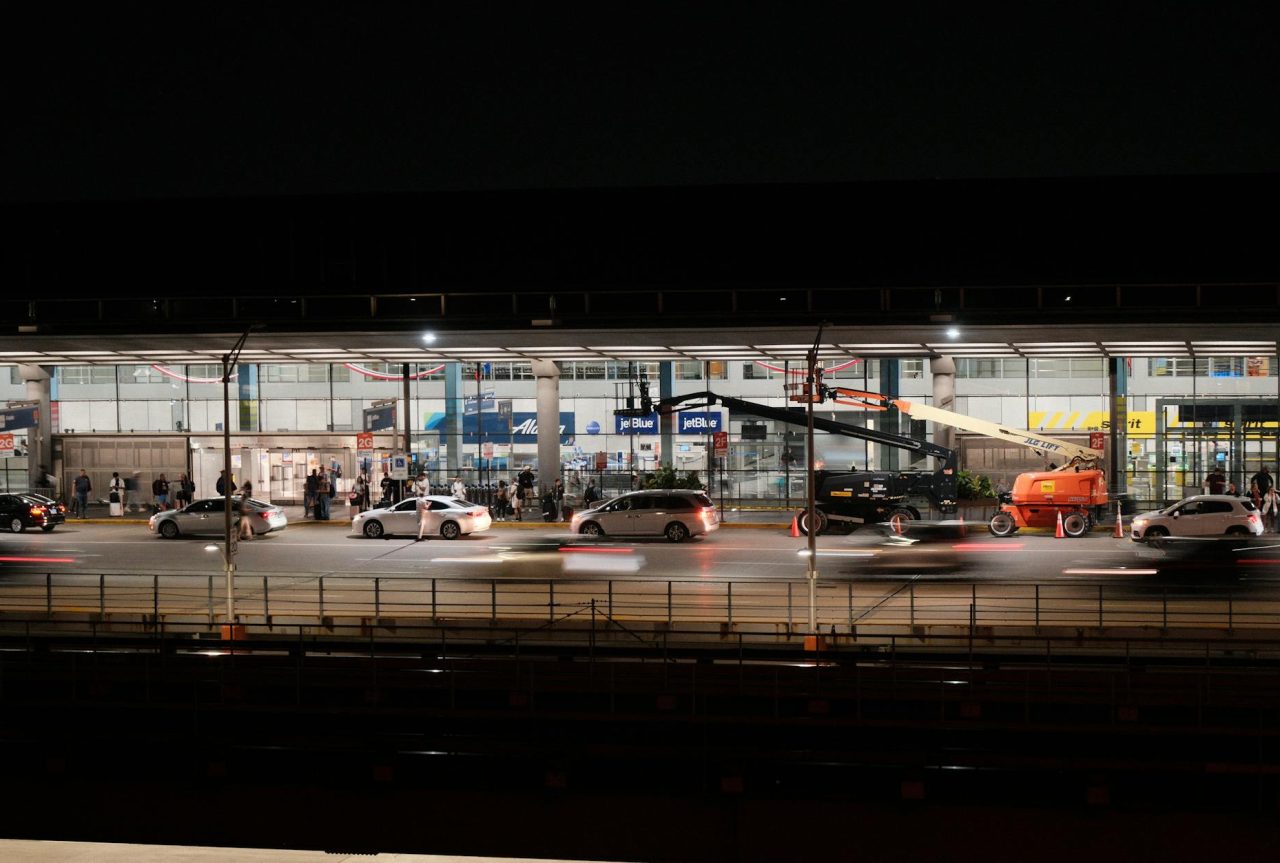
Airport transfers promise a simple handoff: plane to door. In reality, scheduled pickups, curb rules, luggage constraints, and flight variability turn that handoff into an … Read more
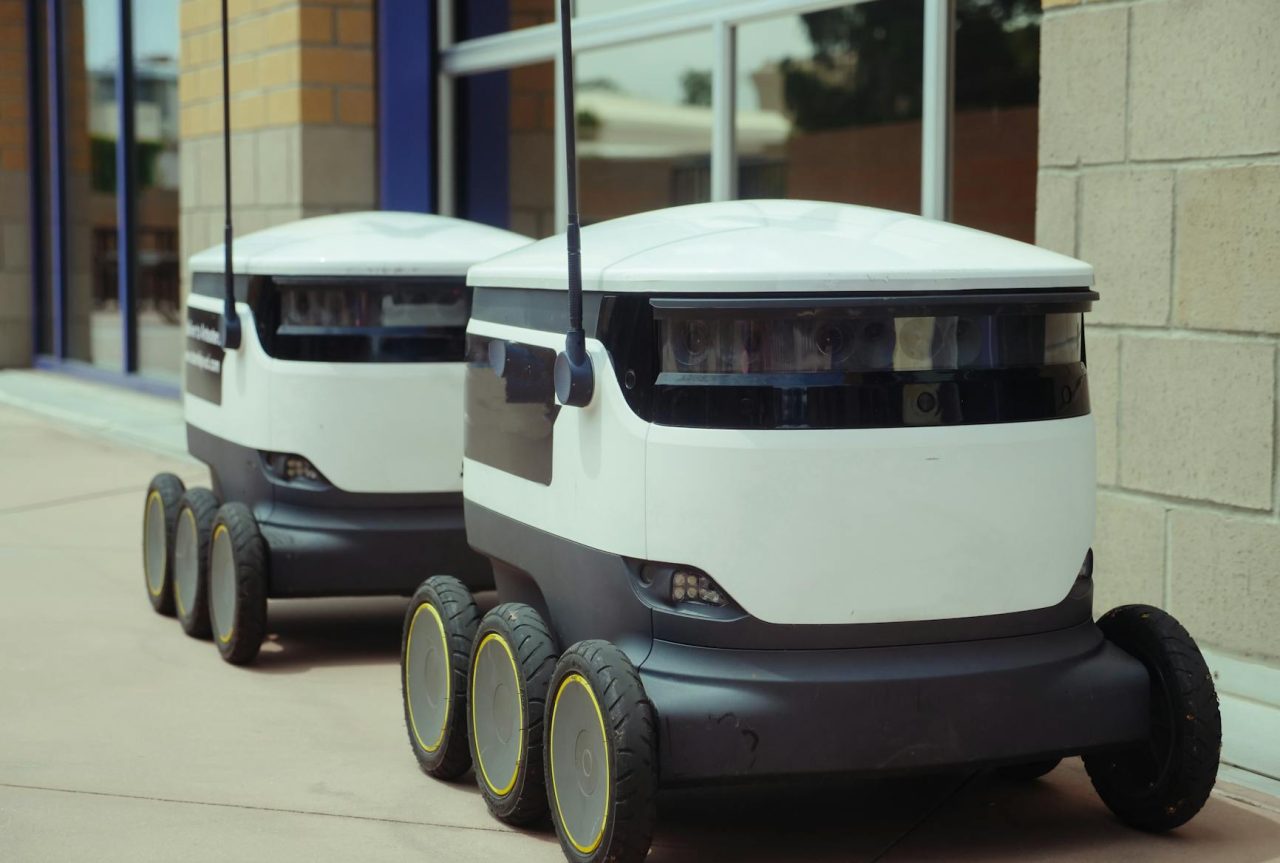
Self-driving shuttles are compact, usually electric vehicles built to run predefined short routes with limited human intervention. They commonly carry 6-15 passengers, travel at low … Read more
Scheduling failures show up as late pickups, cancelled airport runs, and drivers who disappear when demand spikes. The problem is rarely a single cause; it’s … Read more
Parking shortages are visible every evening: a shopper circling a block at 5:30 pm, delivery vans double‑parked on narrow lanes, HGVs queuing for the nearest … Read more
Battery degradation is the steady reduction in a battery’s ability to store and deliver energy. It shows up as capacity fade, higher internal resistance, and … Read more
Urban intersections are the chokepoints of any city: a single poorly timed signal creates idling queues, wasted fuel, and tense near-misses between buses, bikes, pedestrians, … Read more
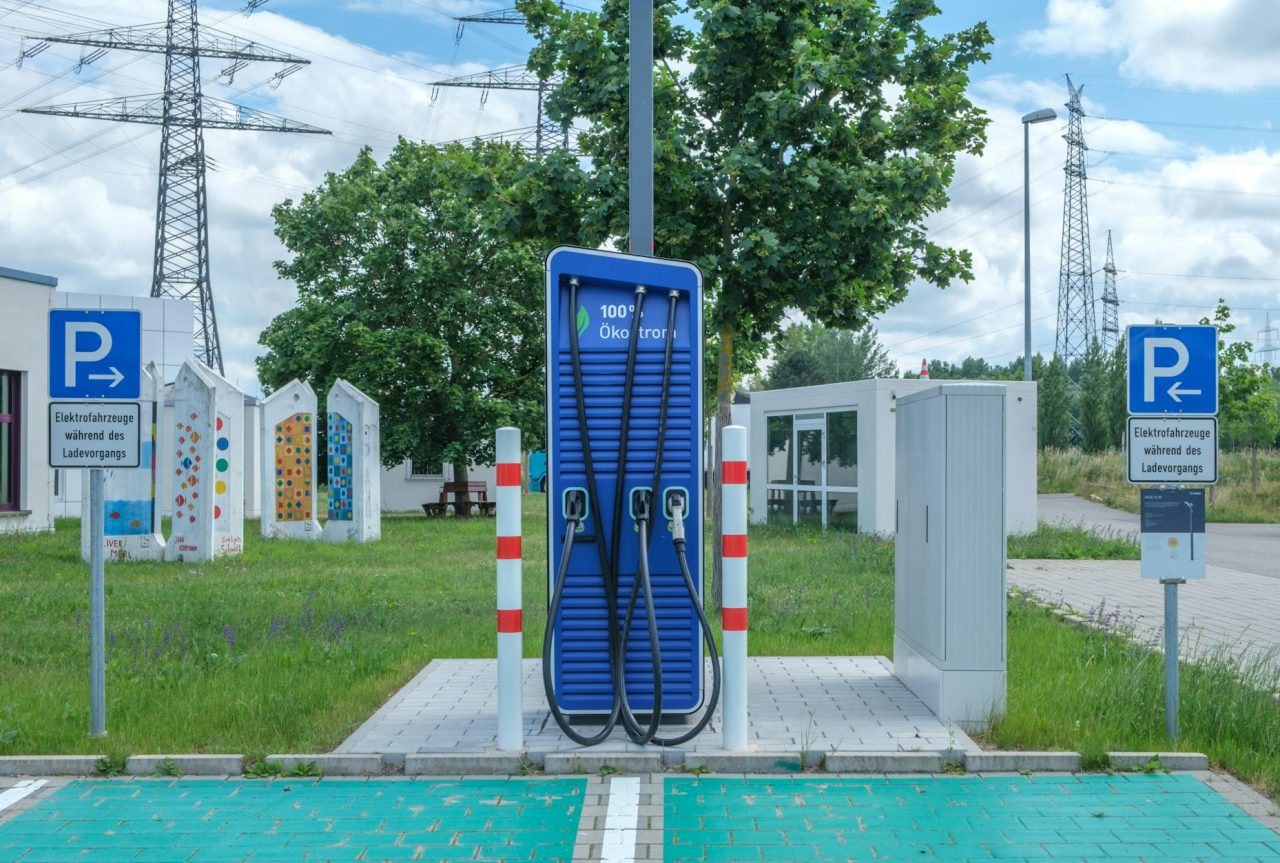
Public chargers in dense neighborhoods and along busy corridors routinely fill, idle, or become blocked. That creates more than an inconvenience: drivers circle, operators lose … Read more
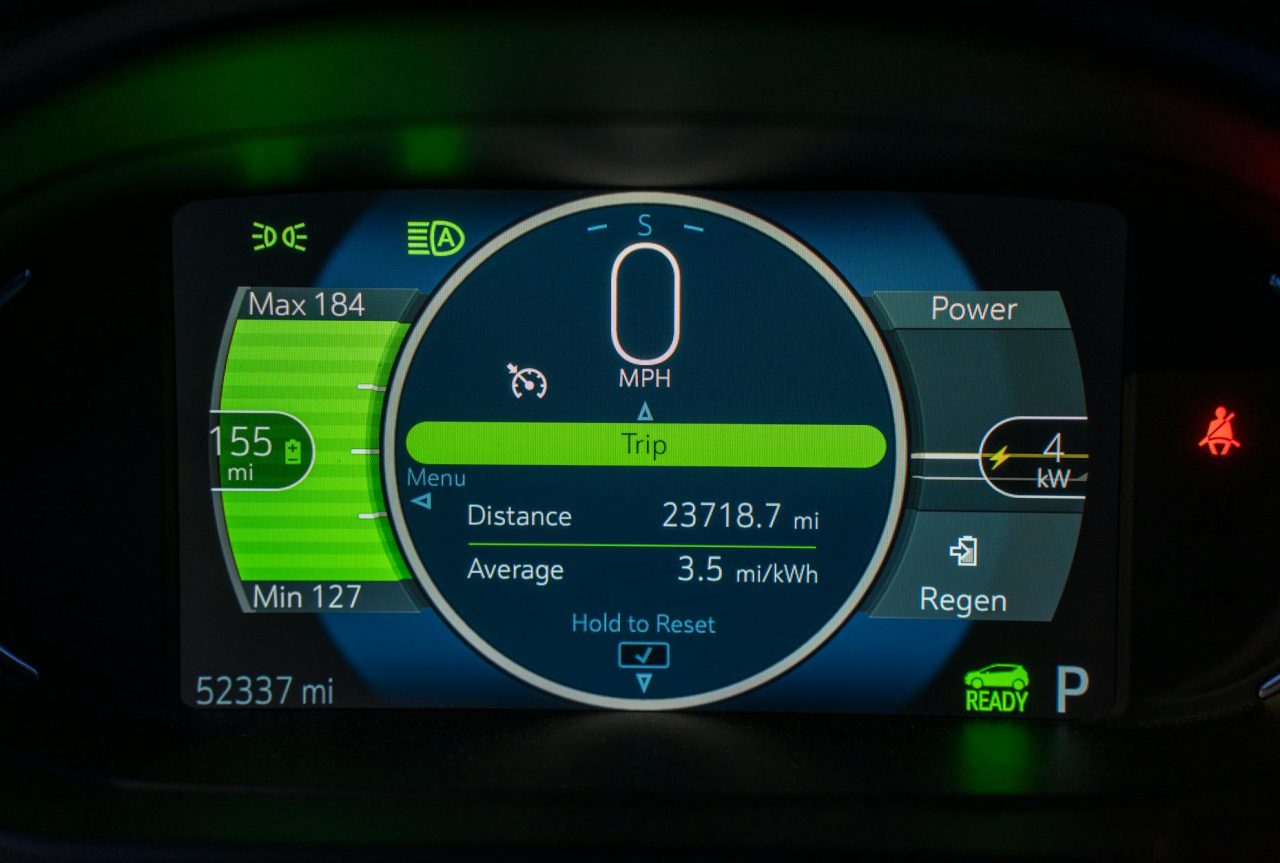
Range anxiety traditionally described the nervousness drivers feel when the battery percentage looks low and a charging station isn’t visibly nearby. For autonomous electric vehicles … Read more
Autonomous trucking promises fewer crashes, higher asset utilization, and partial relief for a shrinking driver pool. The catch is that fatigue hasn’t disappeared — it … Read more