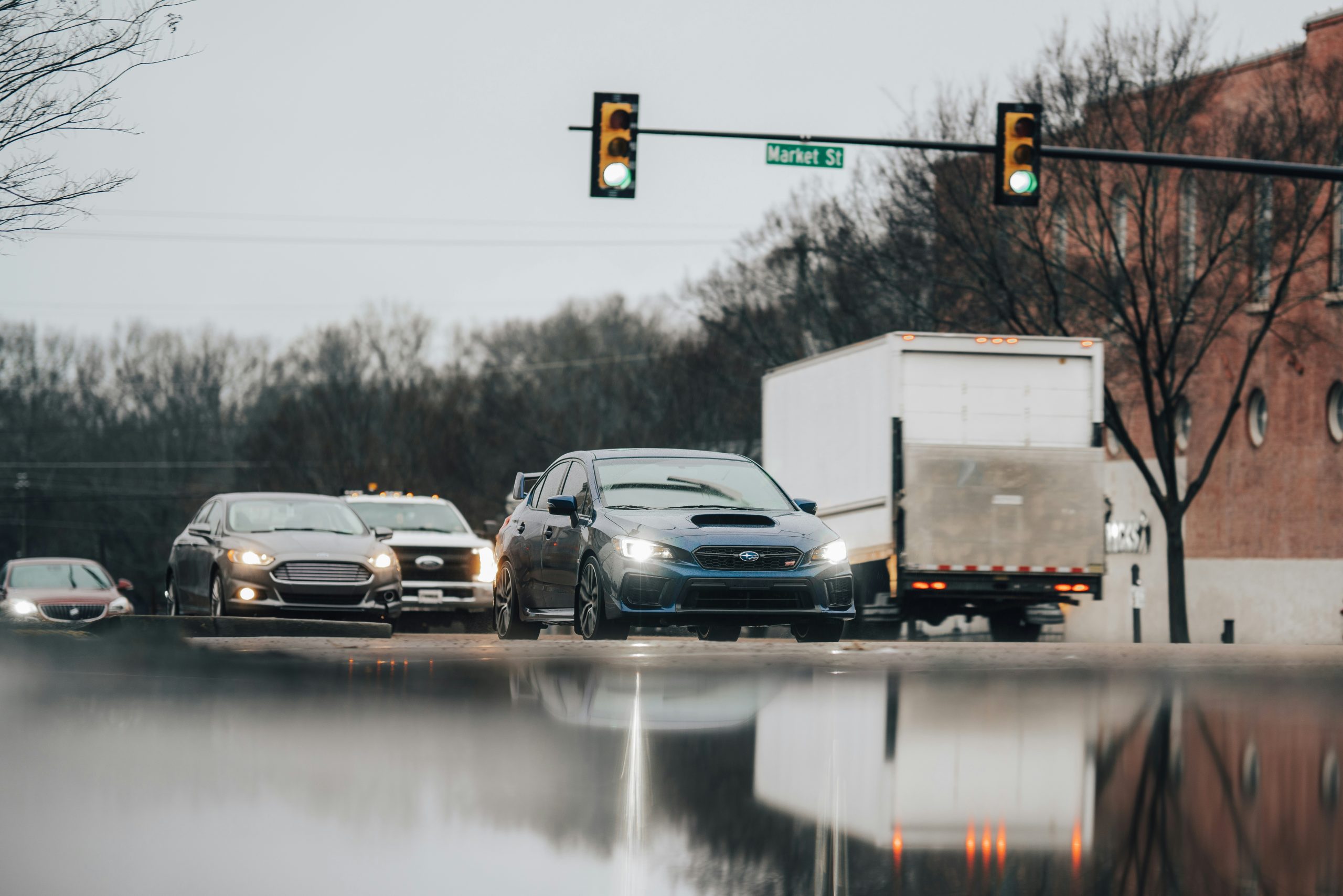
Driverless cars change who acts first and how quickly at a crash scene. Sensors can fail, remote operators may be involved, or the vehicle may enter a fail-safe state and stop in traffic. This alters response priorities and timing.
This material is for riders, first responders, roadside workers, and fleet managers who need clear, actionable steps for common emergencies in automated driving systems (ADS).
ADS means the combination of software, cameras, lidar, radar, and GPS that controls steering, acceleration, and braking without a human driving input. Short, plain-English explanations appear whenever a technical term is used.
Recognizing common emergency scenarios
Automated vehicles present familiar and new hazards. Below are the most frequent situations responders and occupants will encounter, what causes them, and what matters first on scene.
System failures and sensor obstruction
Abrupt stop, gradual pull to the shoulder with a “system failure” message, or an idling vehicle that won’t re-engage. Sensors can be covered with mud, snow, or tape, or blocked by glare and heavy rain.
- Why it happens: ADS needs clear sensor input. When vision or range sensors are compromised, software triggers conservative behaviors—slow down, park, or halt.
- On-scene priorities: get the vehicle out of active lanes if possible, put hazard lights on, and create a safe perimeter 100-200 feet behind the car using cones or warning triangles when it’s safe to do so.
- Passenger action: follow on-screen prompts. If a trained, legally permitted human takeover is requested, assume control only if you are competent to drive the vehicle.
Collisions and multi-vehicle incidents
ADS can respond with evasive steering or by stopping, depending on the situation and sensor status. Official studies show many crashes involving ADS occur on the roadway and sometimes while vehicles are under remote control.
- Initial assessment: treat like any crash—check airway, breathing, circulation, and move occupants only if fire or ongoing traffic pose greater risk.
- Vehicle state matters: airbags, high-voltage systems, and battery enclosures may be damaged. Don’t assume the vehicle has lost all power; cooling systems and pumps can run for 10-30 minutes after shutdown.
- Documentation: record whether the display showed “autonomous,” “remote driving,” or related messages. That information is critical for investigators and manufacturer techs.
Fires, battery hazards, and hazardous materials
Electric powertrains add lithium-ion battery risks: delayed thermal runaway, smoldering, and possible reignition hours after a collision.
- Fire tactics: expand perimeters to 50-100 feet for suspected battery involvement until the threat is assessed. Use thermal imaging if available to locate hot spots.
- Hazmat precautions: treat unknown fluids as hazardous. Avoid cutting through instrument panels and orange high-voltage cables during extrication.
- Why this works: cutting orange cables can cause arcing; thermal runaway can produce toxic gases and sudden large flames—clear space and bring battery specialists when heat is detected.
First responder actions that reduce risk and speed rescue
Quick, familiar steps change little, but sequence and information matter more with ADS vehicles.
Identify the vehicle and its status
Look for external markings, roof lights, or stickers that list an emergency contact. Check the in-cabin display for mode and shutdown instructions—screens often show the fastest path to unlock or disable the system.
- Radio ahead: include “ADS/automated vehicle involved” on dispatch to prep extra PPE and insulated tools.
- If labels are missing, treat the vehicle as a high-voltage, unfamiliar make and follow conservative safety protocols.
Accessing the cabin and performing a safe shutdown
Manufacturers commonly provide first responder guides with emergency unlock procedures, external E-stop locations, and battery disconnect points. Use those guides when available.
- Preferred shutdowns-in: cabin “power off” or “safe stop” options first; manufacturer external E-stop second; physical 12 V isolation as last resort because it can disable airbags and erase logs.
- Decision factors: presence of trapped occupants, visible fire or fluid leak, and estimated time for manufacturer tech arrival. If life safety is immediate, prioritize extrication over preserving telemetry.
Rider and bystander actions—simple, fast, safe
Passengers often get technical prompts they don’t understand. Keep steps short and focused.
- If the vehicle is stopped and it’s safe: exit and move at least 50 feet from traffic. Carry a charged phone and the vehicle ID if possible.
- If airbags deployed or there is visible damage: treat for shock and bleeding, and move people only when staying put is more dangerous.
- If doors are locked and immediate danger exists: use manual door releases or break tempered glass away from airbag modules and orange cables; consult the display for an emergency unlock if visible.
Tools, diagnostics, and when to call the manufacturer or a mechanic
Certain tools and diagnostics improve safety and decision-making on scene. Fleet operators should stock an E-stop kit and printed quick references for common vehicle models.
- Recommended tools: color-capable flashlight, halligan/pry bar, insulated gloves rated for at least 1,000 V for battery work, thermal camera or IR thermometer, and absorbent pads for fluids.
- On-vehicle diagnostics: Many vehicles stream telemetry to a fleet operations center. Request remote status to learn whether batteries are isolated, whether autonomous mode is engaged, or if a remote operator is present.
- When to call manufacturer techs: if external E-stop isn’t available, if airbags or battery enclosures are compromised, if remote operation messages persist, or if battery damage or heat is suspected.
- When to contact a professional mechanic: after a controlled shutdown if check-engine or traction-control lights remain, if the vehicle will not restart, or if electrical odors persist. Seek mechanics trained in high-voltage systems for battery inspection and charging subsystem work.
Decision factors that change the recommended action
Why some choices matter: disabling electronics preserves evidence but can delay rescue; leaving systems powered can risk unexpected motion, but may keep doors unlocked and communications active.
- Life safety vs evidence preservation: always prioritize immediate life-saving actions. Take photos and notes before invasive actions when safe.
- Time to manufacturer support: if techs are en route for 30-60 minutes and there is no fire, stabilize the scene and wait. If fire or active traffic risk exists, act immediately with standard extrication tools while avoiding orange wiring.
- Sensory cues: a faint electrical smell, hissing, or thermal hot spots on a battery pack are triggers to withdraw to a larger perimeter and call battery specialists.
Realistic scenario: suburban arterial, wet conditions, two-car crash with a ride-hail AV
At 4:30 pm, two passenger cars and a driverless ride-hail vehicle collide at 35 mph on a two-lane arterial. Rain reduced sensor effectiveness, and the ADS displayed “system degraded — pull over.” The AV blocked a travel lane, and occupants reported neck pain.
- Actions taken: dispatch labeled “ADS vehicle involved.” Fire staged 200 feet up, placed cones, and established traffic control. Two medical units triaged occupants at the curb.
- Access and diagnostics: the in-cabin display showed “autonomous disabled,” but doors were locked. A windshield sticker gave an emergency unlock code; doors opened in 20 seconds. Remote telemetry from the fleet confirmed 12 V remained active, but propulsion was disabled.
- Decision: because no fire or fluid leak was visible, the team stabilized occupants and waited 45 minutes for a manufacturer battery-isolation crew rather than disconnecting the 12 V battery and risking loss of logs.
- Outcome: scene cleared in 90 minutes. Quick identification of ADS status and remote telemetry reduced unnecessary invasive actions.
Common failure points and overlooked steps
Not checking the in-cabin screen: the vehicle display often contains unlock and shutdown steps; missing it adds 5-15 minutes to response time in many incidents.
- Disconnecting the 12 V battery prematurely: doing so can erase event logs used for reconstruction and void telemetry that may clarify remote control issues.
- Underestimating sensor blind spots: heavy rain, snow, and low sun create predictable degradation. Expect slower ADS reactions and position responders accordingly.
Safety warnings and required personal protective equipment
Tools and PPE: insulated gloves rated for at least 1,000 V; thermal camera or IR thermometer; standard extrication tools (hydraulic cutters, pry bars); absorbent pads for fluids; full turnout gear for fires; eye protection and gloves for forcible entry; respiratory protection when battery smoke is present.
- Warnings: do not cut orange-colored wiring. Do not assume the car is powerless after a software shutdown—cooling systems and pumps can remain active for 10-30 minutes.
- On cutting and extrication: avoid cutting through areas near airbag modules and battery enclosures; consult manufacturer cut-zone guides when available.
Where information is limited, what to do?
Public documentation varies by manufacturer. Some companies provide detailed first responder programs; others offer minimal guidance. If a vehicle lacks clear markings or an accessible guide, treat it as a complex, high-voltage vehicle and follow conservative safety practices while documenting the scene.
External resources that summarize federal guidance and incident trends can help inform local policy and training. For responder-specific references, review NHTSA automated vehicle safety materials and state or national fire service guidance for AV interactions.
Small operational observations
The in-cabin unlock prompt times out in 15-30 seconds; acting quickly often prevents forcible entry.
- Thermal cameras pick up battery hot spots faster than touch—use them early when any electrical smell or smoke is present.
- Telemetric contact with a fleet ops center can cut confusion: one quick status report often tells whether propulsion is active, batteries are isolated, or a remote driver is present.
Practical closing note
Driverless vehicles change response details but not priorities: protect life, control the scene, and make informed choices about disabling systems. Use the vehicle’s messages, bring insulated tools and appropriate PPE, and call the manufacturer or battery specialists when high-voltage or remote behaviors persist.
Clear documentation before invasive work preserves evidence and helps investigators and fleet operators resolve the incident faster.
Read Next: What to Check Before Entering Any Ride-Share Vehicle