
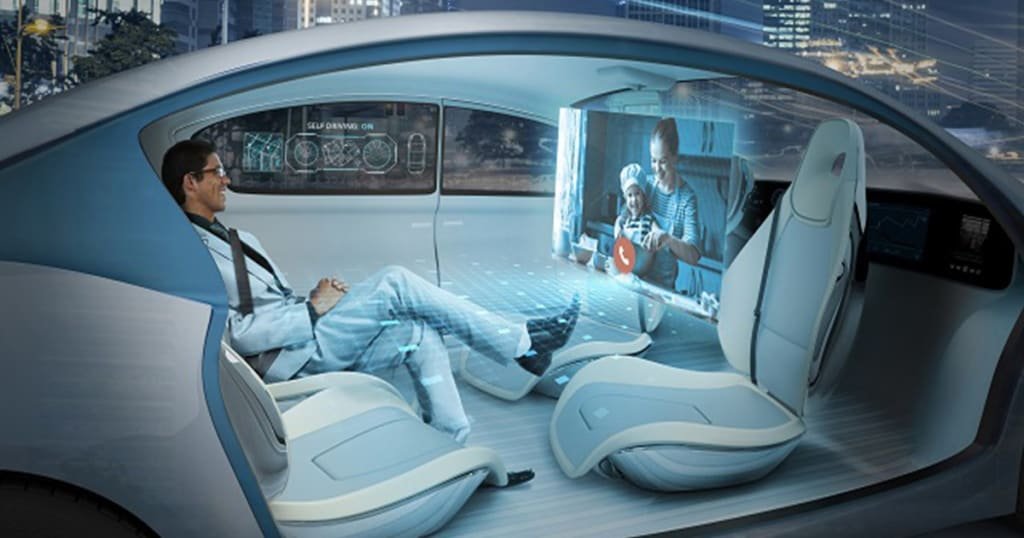
Electric Self Driving Cars Future
Transportation is standing at the edge of a massive transformation. What once sounded like science fiction—cars driving themselves while running entirely on electric power—is rapidly becoming a real-world solution. The Electric Self Driving Cars Future is no longer a distant concept; it’s actively shaping how we move, commute, and connect with our cities.
As technology advances, the Future of Transportation is evolving to be cleaner, safer, and more intelligent. Electric powertrains combined with artificial intelligence, machine learning, and automation are redefining mobility at every level. From reducing emissions to eliminating human error, autonomous electric vehicles are unlocking possibilities that traditional vehicles simply cannot offer, despite the ongoing Challenges of Self Driving Cars, such as safety validation, regulatory hurdles, and ethical concerns.
In this article by Self Driving, we explore how electric self-driving cars are changing transportation, the role of Autonomous Vehicles and ML, emerging trends, safety challenges, and what lies ahead in the Future of Autonomous Vehicles.
Understanding Electric Self-Driving Cars
Electric self-driving cars merge two powerful innovations:
- Electric vehicles (EVs) powered by batteries instead of fossil fuels
- Autonomous driving systems that allow vehicles to navigate without human input
Together, these technologies form the backbone of autonomous vehicles and self-driving cars that can perceive surroundings, make decisions, and execute driving tasks safely.
How Autonomous Driving Works
Self-driving systems rely on a combination of:
- Sensors (cameras, radar, lidar)
- Artificial intelligence algorithms
- Machine learning models
- High-definition mapping
- Real-time data processing
This integration allows vehicles to detect obstacles, interpret traffic signals, predict movement patterns, and adapt instantly—key components in The Future of Self-Driving Cars.
The Role of Autonomous Vehicles and ML
Machine learning is the intelligence behind modern autonomy. Autonomous Vehicles and ML systems continuously learn from millions of miles of driving data, improving decision-making over time.
Why Machine Learning Matters
- Improves object detection and recognition
- Enhances predictive behavior modeling
- Enables real-time route optimization
- Reduces accidents caused by human error
As ML models evolve, the Future of Autonomous Vehicles becomes increasingly reliable and adaptable to complex urban environments.
How Electric Self-Driving Cars Are Transforming the Future of Transportation
The Future of Transportation is no longer centered on vehicle ownership alone. Instead, it focuses on efficiency, sustainability, and accessibility.
Key Impacts on Transportation Systems
The future developments are influencing transportation in several major ways:
- Reduced traffic congestion through smart routing
- Lower carbon emissions thanks to electric power
- Increased mobility access for elderly and disabled individuals
- Optimized ride-sharing and fleet operations
Cities designed around autonomous mobility will prioritize people over parking spaces, fundamentally reshaping urban planning.
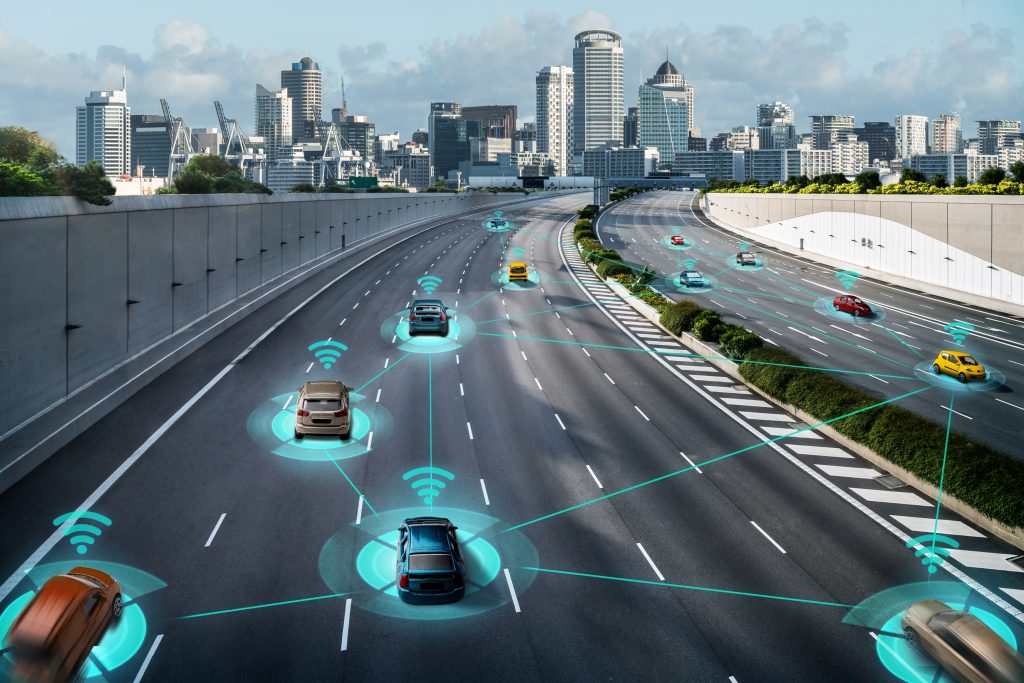
Safety and Securing the Future of Driverless Cars
One of the biggest concerns surrounding autonomy is safety. Securing the future of driverless cars requires robust cybersecurity, reliable software, and strong regulations.
Safety Improvements over Traditional Vehicles
- Faster reaction times than human drivers
- No distraction, fatigue, or impaired driving
- Continuous system monitoring and updates
- Advanced collision avoidance systems
However, securing autonomous systems against hacking and data breaches is just as important as physical safety. Encryption, AI-based threat detection, and secure cloud infrastructure play a critical role in securing the future of driverless cars.
The Future of Autonomous Vehicles in Daily Life
The Future of Autonomous Vehicles goes far beyond personal cars. Self driving and Autonomous Cars powered by self-driving electric technology will expand across industries, transforming transportation, logistics, and public mobility.
Where Autonomous Vehicles Will Be Used
- Autonomous ride-hailing services
- Electric delivery and logistics fleets
- Smart public transportation systems
- Long-haul autonomous trucking
As adoption increases, autonomous vehicles and self-driving cars will become a normal part of daily life rather than a novelty.
Best Self-Driving Electric Cars for 2026: What to Expect
Interest in the Best Self-Driving Electric Cars for 2026 is growing as consumers look for smarter, safer, and eco-friendly vehicles.
Features Defining 2026 Models
The Best Self-Driving Electric Cars for 2026 will likely include:
- Higher autonomous driving levels
- Improved battery range and charging speed
- Enhanced AI-powered driver assistance
- Seamless software updates
These vehicles will emphasize user experience, safety, and efficiency, setting new standards for the Electric Self Driving Cars Future.
Environmental Benefits of Electric Autonomous Vehicles
Electric self-driving technology is a key solution to environmental challenges.
Why it’s a Sustainable Choice
- Zero tailpipe emissions
- Reduced fuel consumption through efficient routing
- Less traffic congestion lowers overall pollution
- Encourages renewable energy integration
By combining autonomy with electrification, the Future of Transportation aligns with global sustainability goals.
Challenges Still Facing the Future of Self-Driving Cars
Despite rapid progress, challenges remain in The Future of Self-Driving Cars.
Key Obstacles to Overcome
- Regulatory approval across regions
- Public trust and acceptance
- Infrastructure readiness
- Ethical decision-making by AI systems
Overcoming these challenges will define how quickly the Future of Autonomous Vehicles becomes mainstream.
How Self Driving’s is helping shape the Autonomous Future
At Self Drivings, we believe education and awareness are essential to adoption. By providing insights, updates, and expert analysis, we help readers understand the evolving world of autonomous technology. As autonomous vehicles and self-driving cars continue to advance, staying informed about the Future Of Self Driving Vehicles is the first step toward embracing the future with confidence.
Conclusion
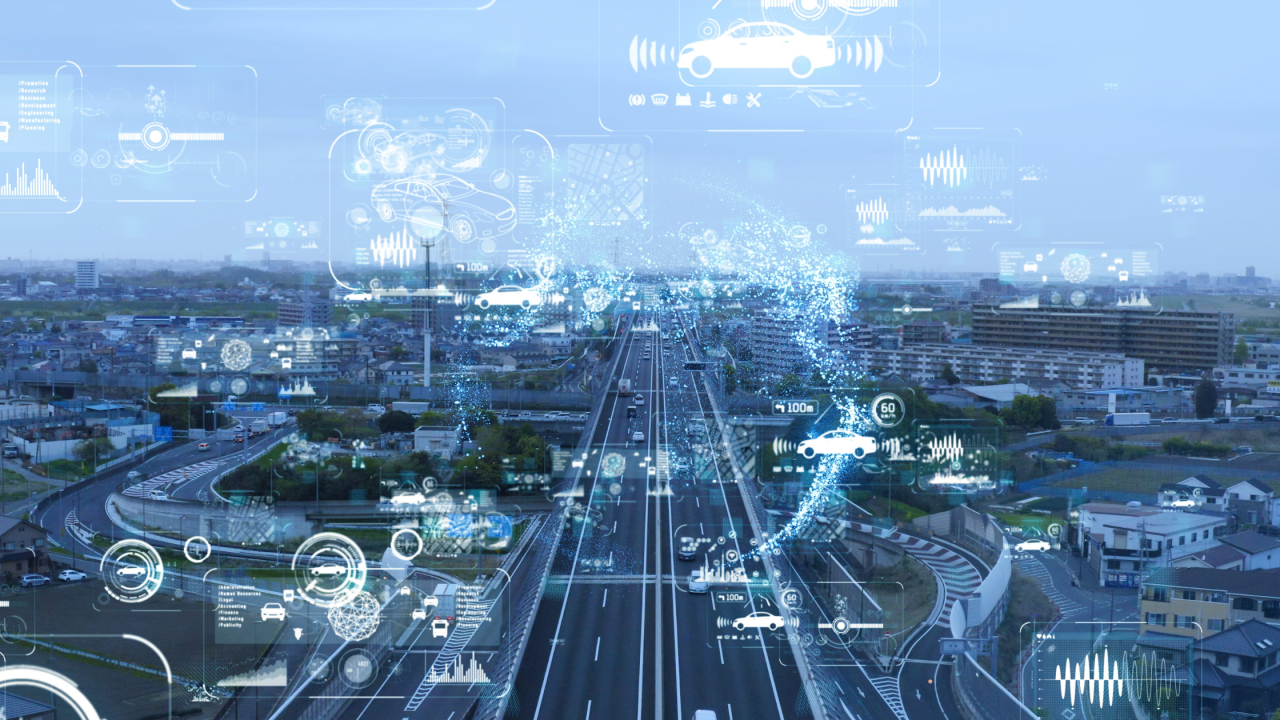
The Electric Self Driving Cars Future represents one of the most important shifts in human mobility. By combining artificial intelligence, electric power, and automation, we are entering a safer, smarter, and more sustainable era. From reshaping cities to improving road safety and reducing emissions, the Future Of Transportation is driven by innovation. As technology matures, The Future of Self-Driving Cars will no longer be a question of “if,” but “how soon.” If you want to stay ahead in the world of autonomous mobility, explore more expert insights at Self Driving and be part of the journey toward smarter transportation.
Like and visit our Pinterest profile for more details and information
Frequently Asked Questions
- What makes electric self-driving cars different from traditional vehicles?
Electric self-driving cars use AI and automation to operate without human input while running on electric power, making them cleaner, safer, and more efficient than traditional vehicles.
- How does machine learning improve autonomous vehicles?
Machine learning allows autonomous vehicles to learn from real-world driving data, improving decision-making, obstacle detection, and safety over time.
- Are self-driving electric cars safe for everyday use?
While still evolving, modern autonomous systems significantly reduce human error. Securing the future of driverless cars continues to be a top priority through testing and cybersecurity measures.
- When will autonomous vehicles become widely available?
The future of autonomous vehicles is unfolding now, with increasing availability expected over the next few years as regulations and technology mature.
- Where can I learn more about self-driving technology?
You can explore expert articles, insights, and updates on autonomous innovation at Self Drivings.