
Self Driving and Autonomous Cars
The transport world is evolving at a very high rate. The words that you are likely to hear daily are the difference between self-driving and autonomous cars. They have been used without a second thought in little conversations, often taking the place of each other. They are, however, different as regards technology, and this difference affects the future of travelling, especially with the development of the Best Autonomous Vehicles. It is due to this disparity that we can better understand how technology has been situated in our present day.
The Autonomous Driving Systems Learning
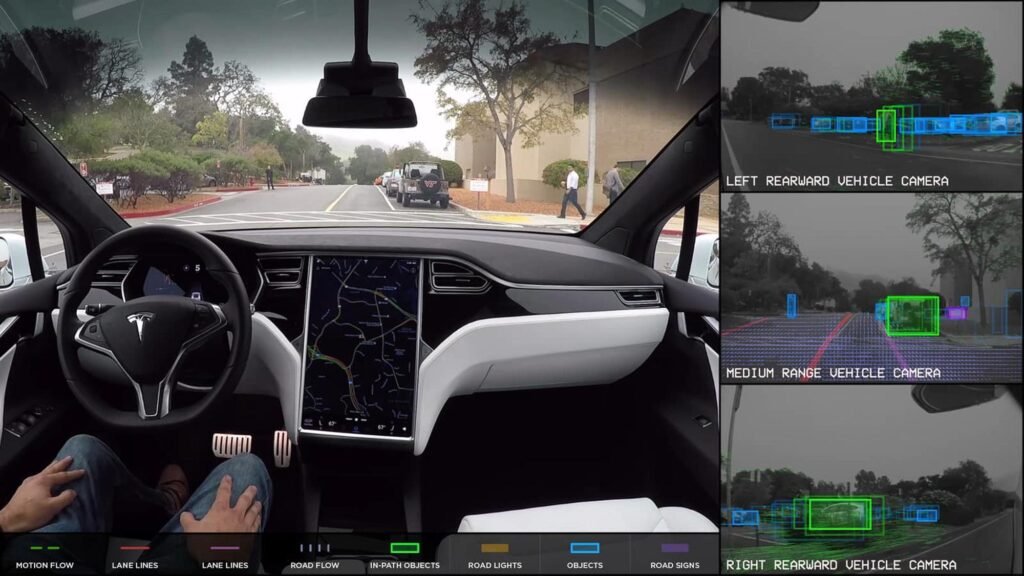
The degree of freedom is dependent on the Benefits of Automated Vehicles developed autonomous driving technologies in automobiles. All the pedestrians, all traffic lights, and all other cars are identified by the system. These self-driving systems make a smart car have an upper hand over a basic car. Under a large autonomous vehicle definition, a group can plot a route and cross a four-way stop. It can make speculations when one may not be within the pavements.
The degrees of Vehicle automation
The scale of car autonomy is rated on a scale that is embraced by professionals. This scale starts with level five and zero. Level 0: A normal car, and everything is being done by you. The level one support and the level two support are less crucial, such as the cruise control or lane assist. Numerous vehicles feel comfortable on the road at the second level. The car will assist in making you safe because you are the boss. Level three is a shift where the actual shift starts taking place. At this point in time, the car can navigate extremely narrow areas.
| Aspect | Self-Driving Cars | Autonomous Cars |
|---|---|---|
| Definition | Vehicles that assist the driver using advanced technologies, but still require human control | Vehicles capable of operating completely on their own without any human intervention |
| Human Involvement | Driver supervision is mandatory at all times | No driver involvement required in ideal conditions |
| Automation Level | Usually, Level 1 to Level 3 automation | Designed for Level 4 and Level 5 automation |
| Decision Making | System assists, but final decisions are made by the driver | The vehicle makes all driving decisions independently |
| Technology Used | Cameras, sensors, lane assist, adaptive cruise control | AI, LiDAR, radar, cameras, real-time data processing |
| Safety Impact | Reduces accidents caused by human error | Aims to eliminate accidents by removing human error completely |
| Availability | Widely available in modern cars today | Still under testing and limited real-world deployment |
| Environmental Impact | Improves fuel efficiency through assisted driving | Optimizes routes and driving patterns to reduce emissions |
| Performance in Weather | Limited performance in heavy rain or snow | Continuously learning to handle complex weather conditions |
| Best Use Case | Daily commuting with driver assistance | Future transportation with full independence |
The advantages of Automated Vehicles
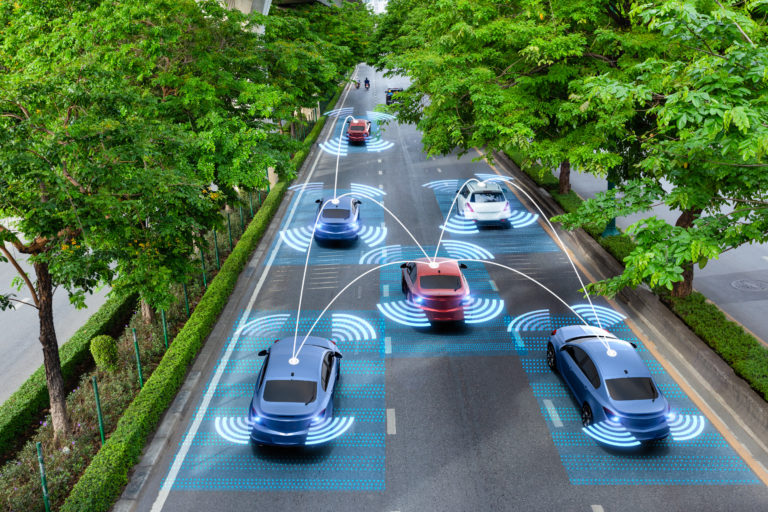
The problem of cool devices is not the only one that brings about the transition to such smart cars. The difference between self-driving and autonomous cars is massive to society in general, especially with the rise of Full Self Driving Supervised technology. The most positive thing is that it has the potential to save road lives. The major part of the accidents is caused by fatigue or human factors. A computer cannot be exhausted and distracted when using a telephone. It is related to the security of the passengers, and it is on the road at all times.
Politics and Productivity
Cities have also been converted into smart cars that make them very clean and silent. The AD systems are going to be as efficient as possible in driving. They do not begin banging the brakes or over-revving the engine. This would prove beneficial in the consumption of fuel and also in the damage and wear of the car.
The Future of the Road
The world of transportation is going through a transition period. There are plenty of cars with the benefits of Automated Vehicles features, built by your local dealer. Such cars make life comfortable since we are not at risk even when travelling long distances. But even today, we are struggling to achieve the dream of complete independence. The engineers are also training cars to cover snow, rain, and chaotic construction areas. A mile covered enters into the software learning and getting smarter.
Conclusion
What one will achieve or what one will rather settle on. The difference between self driving and autonomous cars will depend on your needs. Our usage of self-driving tools, including innovations like the Tesla New Driving System, is safe and comfortable now. We have the wheel too, and we do the last calls on the highway. But it is quite apparent that the pattern now is towards an absolutely free world. Automated cars cannot help but ignore too many benefits. That was a very good future, less of safer streets and more of freedom.
Like and visit our Pinterest profile
FAQs
What is the perception of autonomous driving systems?
Their combination of cameras, sensors, and radar gives them an all-around view of the immediate environment.
Am I now able to afford a level 5 autonomous automobile?
No, the level 5 cars are still in the development stages, and they are still to be made available to ordinary citizens.
What is the difference between an autonomous car and a self-driving car?
The difference is in the degree of human intervention to provide that there is a safe flow of the car.
Will self-driving cars help improve the situation with pollution?
No, they are more efficient in the way they drive, and they are frequently constructed to look like an electric car in a bid to assist the world.
Would the self-driving cars work well during the rainy seasons?
The engineers continue to develop these systems so that they can endure heavy rains and snow, as is the case with human beings.