
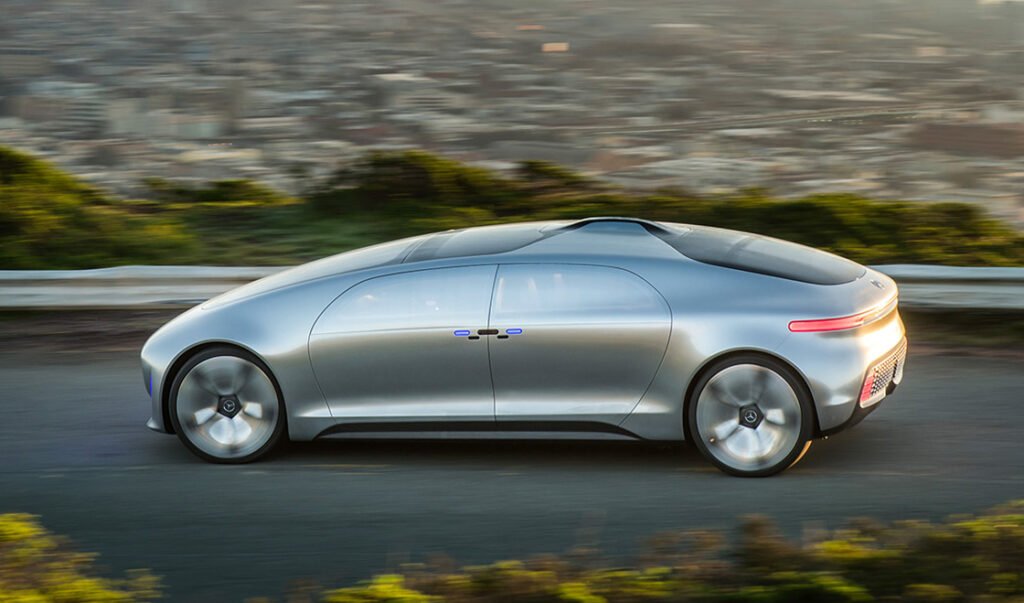
Self-driving cars might seem like something out of the future, but today they are already driving on real roads, learning from their environment and interacting with traffic in real time. The technology that underpins these smart vehicles is called computer vision. Computer vision is the capacity of computers to discern and interpret the visual world via cameras, just as people do with their eyes. No computer vision, no knowing where you are or where the road goes or what’s going on around mayhem.
Insight Into Edge Computing In Autonomous Vehicles
Computer vision refers to how computers, through the use of cameras, sensors, and algorithms, can interpret visual information from the world around us. The cameras take pictures many times a second, and with powerful onboard computers, the system analyzes the images to figure out what is going on. That is similar to how humans do the driving, by observing road paint, traffic signs, other vehicles, and pedestrians. The difference is that a car can take in far more details and do so orders of magnitude faster, thanks to modern processors. In modern systems like Full Self Driving Supervised, most of the computer vision models used in today’s self-driving cars are trained on large amounts of data.
Finding Lane Lines On The Road
One of the earliest and most crucial challenges for a self-driving car is learning to see lane lines. Lane detection can assist the car in keeping to center, changing lanes safely, following the road even when there are curves and declines. lane lines are detected with color and contrast patterns on the road surface with Computer Vision in Autonomous Vehicles.
It searches for bright white or yellow lines and compares them with the anticipated shape of road boundaries. Then the algorithms estimate where the car is in relation to these lines. Even if the lane lines are worn, snow covered or partially obscured by shadows these systems can take an educated guess and figure out where the lines should be based on what else is around them.
Object Recognition And Scene Understanding
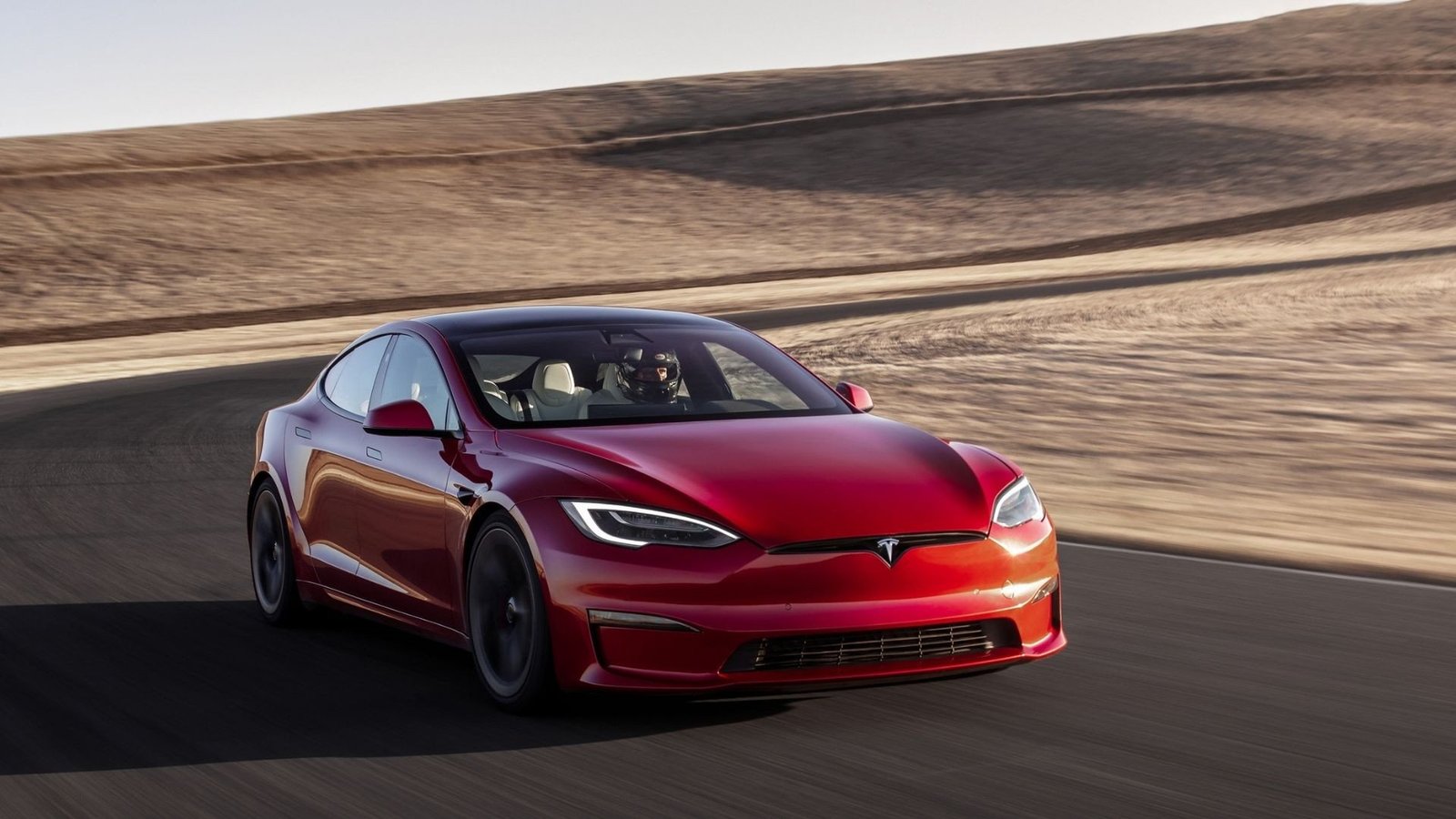
Self-drivings cars also need to know what objects are nearby and how far away they are. Computer visions spots vehicles in front, behind and to the sides. It recognizes pedestrians, bicycles, animals, barriers and road cones. These tasks depend on techniques known as object detection and object recognition. Object detection determines where an object is, and object recognition determines what the object is. For instance, the system might notice a moving shape and realize it is a person, then recognize that this person is walking toward the edge of the sidewalk. This feature can be of help in case the car needs to slow down or halt entirely.
Computer Vision And Decision Making
Once the car recognizes all of those lane lines, vehicles, and obstacles, it has to make a choice. Computer Vision in Autonomous Vehicles attaches information that feeds into a decision-making system, which sets out its next actions for the car. The system opens up a safe passage, slows down, changes lanes or stops if that’s the situation. If computer vision sees a pedestrian walking toward a crosswalk, the decision system can anticipate as much and begin slowing. If it recognizes a car slamming on its brakes up ahead, for example, it might stomp on the brakes itself to avoid crashing.
Handling Challenging Driving Conditions
The roads are really full of surprises. Bad weather, foggy windows, snow-covered roads, bright sun, night driving and urban traffic all can make visual tasks more challenging. To overcome these obstacles, self-driving cars employ multiple cameras at various angles. You can have wide look to keep an eye on the sides, while some auto cameras give long-range view of far-off obstacles. Infrared cameras aid in identifying obstacles at night, while image-enhancement software compensates for impairment from glare or low light. Edge Computing in Autonomous Vehicles is frequently integrated with other sensors like radar and lidar. Where lidar records distances with laser beams, radar senses movement with radio waves.
Why Computer Vision Is Key To Safe Self-Driving
The big reason computer vision is so important. A self-driving car always needs to be aware of what is going on around it, and respond immediately when something changes. Because computer vision sees so much detail and updates constantly, the car can act better in unpredictable situations than systems that depend on preprogrammed maps or sensors with limited range. Computer vision models have been evolving to become faster and more accurate as technology improves, such they can be smarter about understanding complex scenes. This continues to inch the world closer to fully autonomous vehicles that are capable of driving anywhere without human assistance.
Like and visit our Pinterest profile for more details and information
FAQs
- Would self-driving cars be possible without computer vision?
No, computer vision is integral because the car requires cameras and visual perception for such tasks as identifying lanes, signs, vehicles and people.
- How many camera does a self-driving car have?
The majority of self-driving cars rely on five or six cameras positioned around the car to provide a full 360-degree view of their surroundings.
- Can computer vision be better than human vision in driving?
In some ways, yes, because it can process more information more quickly, but it is not doing so without the need for good lighting, clean lenses and sound algorithms.
- Does computer vision work in the rain?
It can work, but its performance might suffer during heavy rain or fog. That is why self-driving cars use computer vision in conjunction with radar and lidar.
- Will computer vision lead to driving being perfectly safe?
It is an enormous safety enhancement, but no system works perfectly. The idea is to prevent accidents and help humans make better driving decisions.