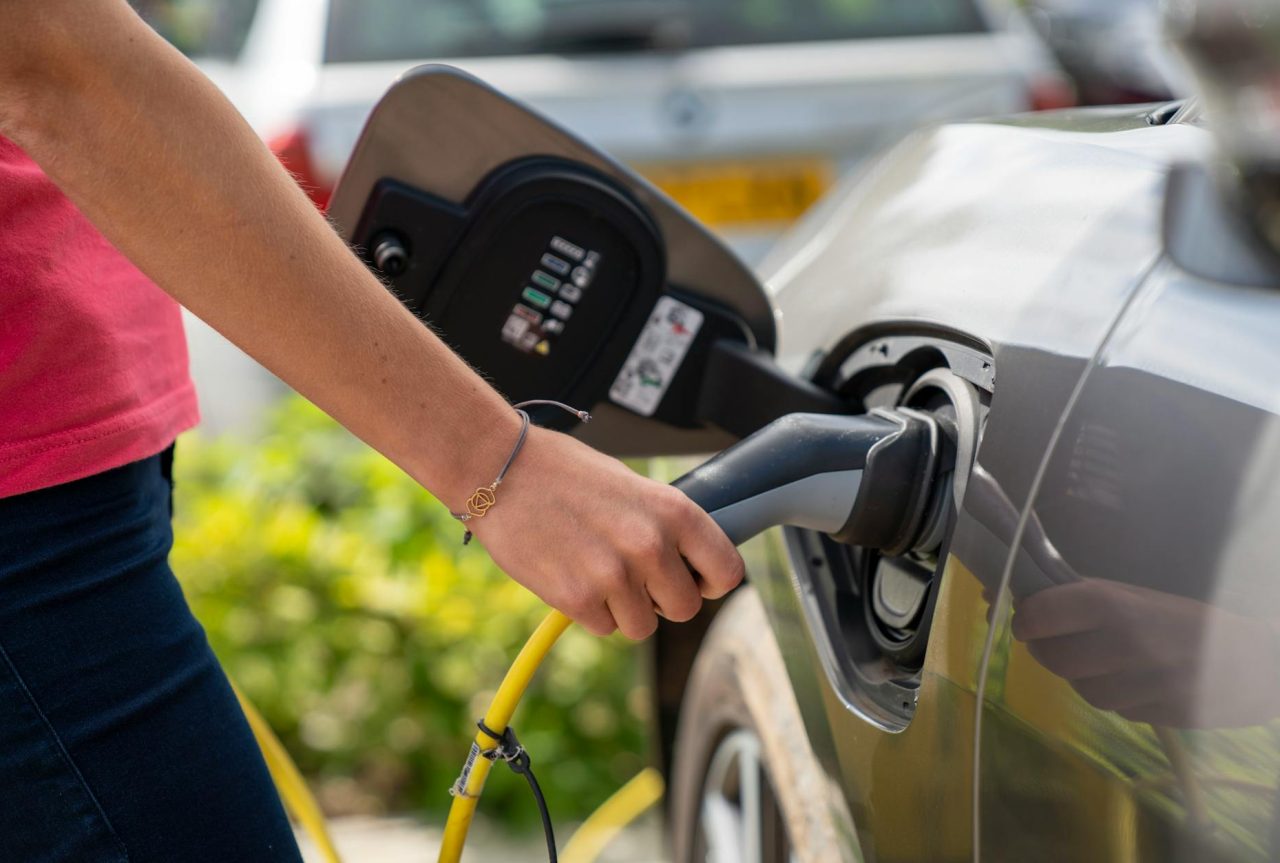
Bad weather makes two things matter more when charging an electric vehicle: how readily the battery accepts energy, and how reliably the charger and connector work.
Cold slows lithium-ion chemistry and raises internal resistance, which cuts charging speed and usable range; heat can force thermal protections and accelerate long-term degradation; rain, snow, and salt increase corrosion and short-circuit risk.
Why weather changes charging performance and reliability?
Cold raises internal resistance inside cells, so the battery accepts less current, and DC fast sessions flatten out. Heat can trigger cooling systems and reduce peak power to protect the pack.
Moisture and salt attack connectors and electronics, poorly sealed sockets, or damaged cables are the most common failure points. In real-world conditions, drivers typically see 10-30% less range in cold, wet weather and longer DC fast sessions when the pack is cold.
How to think about trade-offs?
The honest trade-off is between time and energy: preconditioning uses grid energy before departure but shortens the time you sit at a slow charger.
Choosing sheltered, lower-power charging is usually more reliable during storms, but may add hours to a long trip. Know the car’s thermal capabilities and the charger type before you commit to a plan.
Cold weather: chemistry, warming, and charging strategy
When cells are cold, the electrolyte conducts poorly, and internal resistance rises. The car’s battery management system (BMS)—the controller that monitors temperature and voltage—limits charging current to prevent damage. That’s why a 50 kW fast charger might only deliver 10-20 kW until the pack warms.
- Range loss: expect 10-30% less usable range on cold, wet commutes; using cabin heating makes the loss worse because it draws battery energy.
- Charging time: DC fast charging can take 20-60 minutes longer when the BMS throttles current.
- Preconditioning: warming the battery with the car’s heater or via a scheduled preheat while plugged in raises charge acceptance and shortens session time.
Preconditioning while plugged in uses grid power that you might otherwise avoid, but it often reduces total downtime and can be cheaper if scheduled on an off-peak tariff.
Practical cold-weather tactics
- Schedule preheat for 15: 30 minutes before departure when plugged in; many cars allow timers or remote commands via apps.
- If you arrive at a DC fast charger and see low kW: try a short drive at low speed to warm the pack, then retry the station.
- Prefer overnight Level 2 charging at home when temperatures drop—slower charge at stable rates avoids repeated fast-charging stress on a cold pack.
Heat, humidity, and storms: overheating, condensation, and safety
High ambient temperature forces cooling systems to limit charge rate and, over many cycles, contributes to gradual capacity loss. Humidity and storms can cause condensation inside sockets on poorly sealed chargers, and salt spray near coasts accelerates corrosion and raises contact resistance.
Storms also increase the chance of power surges and outages; functional chargers include surge protection, but damaged or ungrounded installations are hazardous.
What to do when it’s hot or stormy
- Avoid back-to-back fast charging during heatwaves: let the battery cool between sessions.
- If the connector or holster looks wet inside: don’t force a session—use a different unit or return later when the site is dry.
- Report sparking: repeated breaker trips, or scorch marks to the operator; step away and don’t use the faulty pedestal.
Home charging: equipment choices and setup that withstand the weather
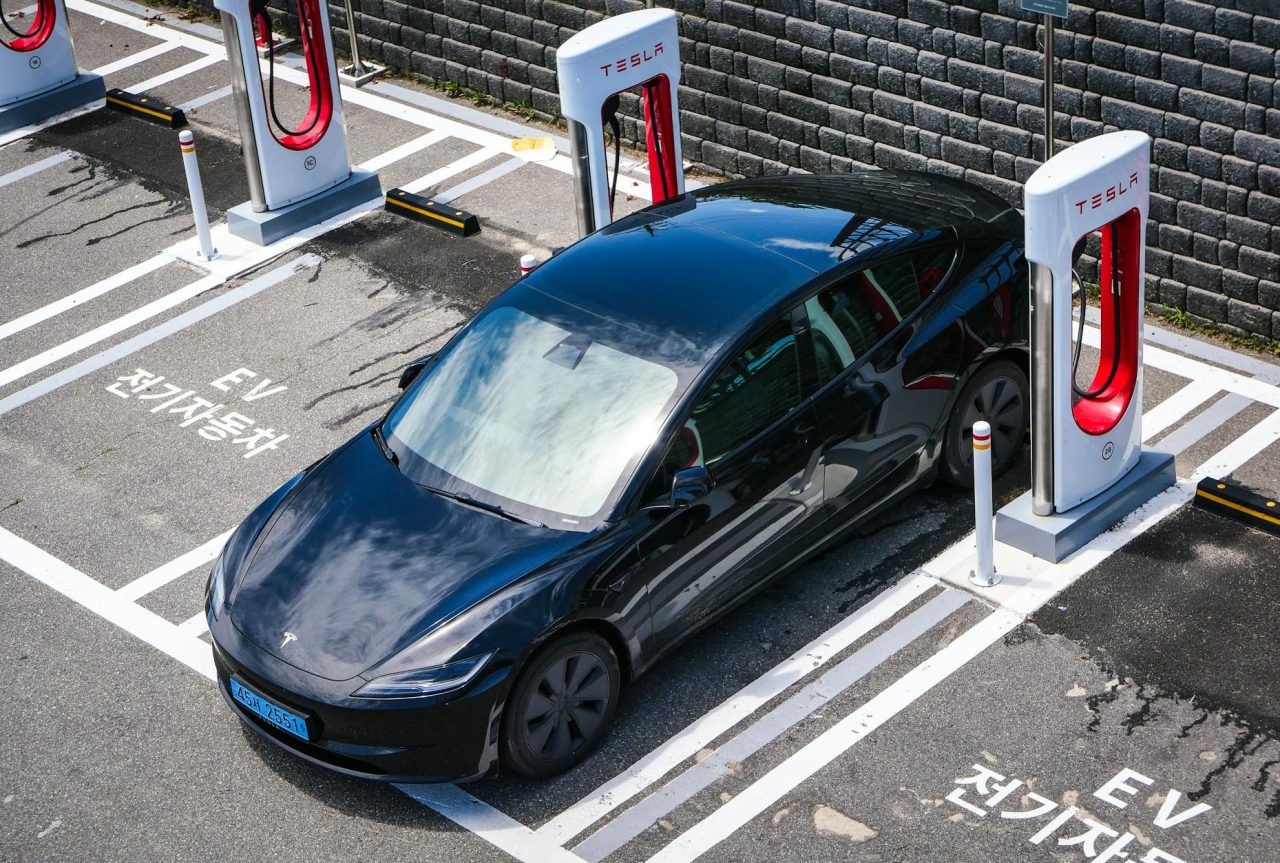
Home charging is where you control the environment. A hardwired Level 2 unit in a garage or under a carport is the most resilient setup. If the charger is exposed, choose IP 65-rated equipment—dust-tight and protected against low-pressure water jets—and consider an IK impact rating if the unit is reachable by passersby.
- Install the unit under cover when possible: a simple carport keeps wind-driven rain off the connector and reduces user discomfort.
- Create a drip loop in the cable so water runs off below the plug rather than into the inlet—small detail, big payoff.
- Wipe the connector dry before plugging if it’s wet: avoid inserting a connector with visible ponds of water or packed snow.
Tools and routine for home charging in bad weather
Keep a tidy kit by the charge point: microfiber cloth, nylon brush to clear debris, nitrile gloves, flashlight, and a small container of silicon-safe dielectric spray for terminals (follow product instructions closely).
Public charging: inspection, diagnostics, and network realities
Public chargers vary widely in build quality and maintenance. On arrival during rain or snow, do a quick visual check: look for corrosion, frayed insulation, water pooling in holsters, or exposed pins. White or green deposits near contacts indicate corrosion—skip that unit.
- If a charger shows an error at start: try another socket at the site or wait a few minutes and retry; some errors clear after a reset.
- Cold packs accept less power on DC: if the session begins at low kW, consider a sheltered AC top-up or gently drive to warm the battery before returning.
- Network authentication can fail in poor cellular coverage—carry an RFID card or a second network app to avoid being stranded during storms.
What people miss: apps sometimes display connector temperature or inlet warnings. If the app flags overheating, end the session and report the issue—continuing may trip thermal protection or cause damage.
Common failure points, quick diagnostics, and when to call a professional
Failures fall into three broad areas: vehicle-side, charger-side, and infrastructure. Quick diagnostics help isolate the source so you can act correctly and safely.
- Vehicle-side signs: the charger connects, but no current flows while the car logs a BMS or thermal error—likely temperature-related or an internal fault. Try preconditioning; if persistent, consult a technician.
- Charger-side signs: the pedestal shows “no vehicle detected,” the connector won’t latch, or the unit spits error codes—inspect for bent pins, debris, or visible damage and report the unit.
- Infrastructure signs: sparks at the pedestal, frequent tripping breakers, or site-wide outages—these are electrical supply problems; vacate the site and notify the operator.
Call a professional when you detect smoke, burning smells, exposed wiring, repeated electrical trips, or persistent BMS faults after preconditioning and a restart. Intermittent faults often require dealer-level diagnostics for contactors, thermal sensors, or cell imbalance.
Realistic scenarios and decision points
Scenario: suburban overnight charge in heavy snow. A homeowner uses a wallbox in an attached garage rated IP 65, schedules a 30-minute preheat before departure, and keeps a drip loop on the cable. Result: consistent overnight charging at 7 kW and minimal connector corrosion after two winters.
Scenario: highway DC fast attempt in single-digit Fahrenheit. A driver plugs into a 50 kW station but sees only 12 kW. They abort, drive 10 miles at low speed to warm the battery, then return: the station now delivers near-peak power. Trade-off: extra miles and time, but a shorter dwell at the charger and a more usable range for the next leg.
Small, lived-in observation: you’ll notice chargers in exposed lots often have water inside the holster after a heavy downpour—check for that before inserting the plug. Another detail drivers mention is the audible click of a connector latch failing when pins are corroded—skip the unit if it doesn’t lock cleanly.
A common anecdote-style moment: riders often report showing up to a storm-drenched site where one unit works fine while its neighbor sparks and trips—the difference is usually maintenance, not technology.
Summary
Prefer sheltered, lower-power charging when the weather is bad, precondition the battery when possible, and make a quick visual inspection part of your routine. Small habits—drip loops, IP 65-rated home boxes, and scheduled preheating—cut downtime and reduce corrosion and reliability problems over time.
FAQ
Can I charge my EV in heavy rain or during a thunderstorm?
Yes—EVs and most chargers are built for outdoor use and have IP ratings and sealing. Avoid charging during local lightning strikes if possible because storms increase surge and outage risk; if you see sparking, smoke, or repeated breaker trips, stop and move to a safer location.
Why does charging slow dramatically in cold weather, and will it harm the battery?
The BMS reduces charging current when cells are cold to avoid lithium plating and cell damage. That throttling protects the battery—letting the BMS manage charging is safer than repeatedly restarting sessions to chase speed. Preconditioning or using a sheltered AC charge are better option.
What IP rating should I pick for an outdoor home charger?
If the unit is exposed to wind-driven rain or salt air choose IP 65 or higher; IP 54 is acceptable for covered locations. Also consider an IK impact rating when the charger is reachable by the public or in a high-risk area.
My charging session failed at a public station during snow—what checks should I do?
Look for snow or ice packed in the holster or inlet and clear it by hand first; try another socket, check the app for error codes, and verify site status. If you see corrosion, sparks, or burning smells, report the unit and move on.
When should I call a mechanic instead of troubleshooting myself?
Contact a professional if you smell burning, see smoke, find exposed wiring, experience repeated breaker trips, or if BMS faults persist after preconditioning and a restart. Intermittent charging or unexplained cutouts often need dealer-level diagnostics for contactors or sensors.
Read Next: Too Many Transport Apps: Why Users Feel Overwhelmed