Why Rural Areas Are Still Left Out of Smart Mobility Systems?
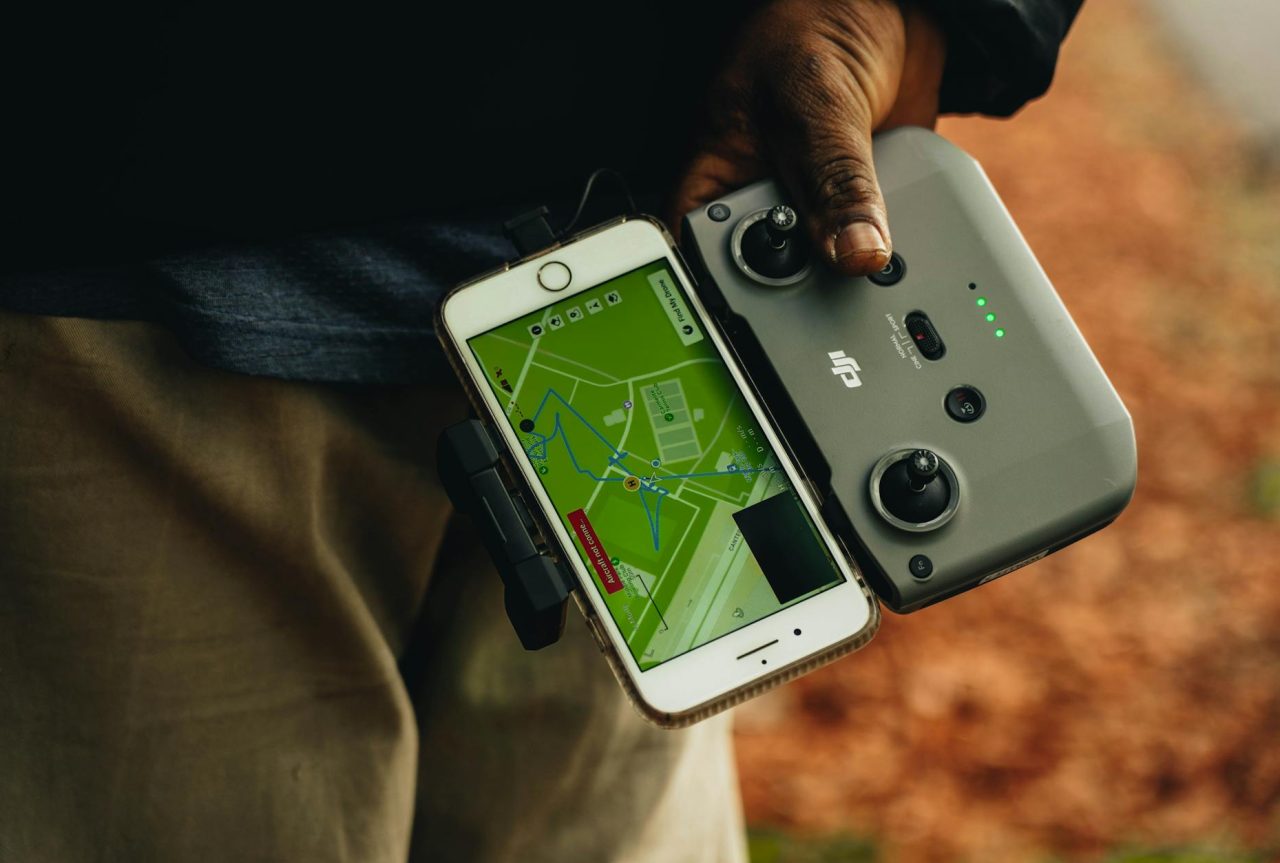
Smart mobility links vehicles, infrastructure, and people using data and connectivity to make trips safer, cleaner, and more efficient. The benefits appear quickly in dense … Read more


Public transit systems claim to be accessible, but many wheelchair users still face repeated barriers: broken ramps and lifts, cramped interiors, inconsistent staff assistance, and … Read more
Smartphones once held a single maps app; now commuters routinely juggle routing, ticketing, paratransit, micromobility, and translation apps. Each app pulls from different data sources, … Read more
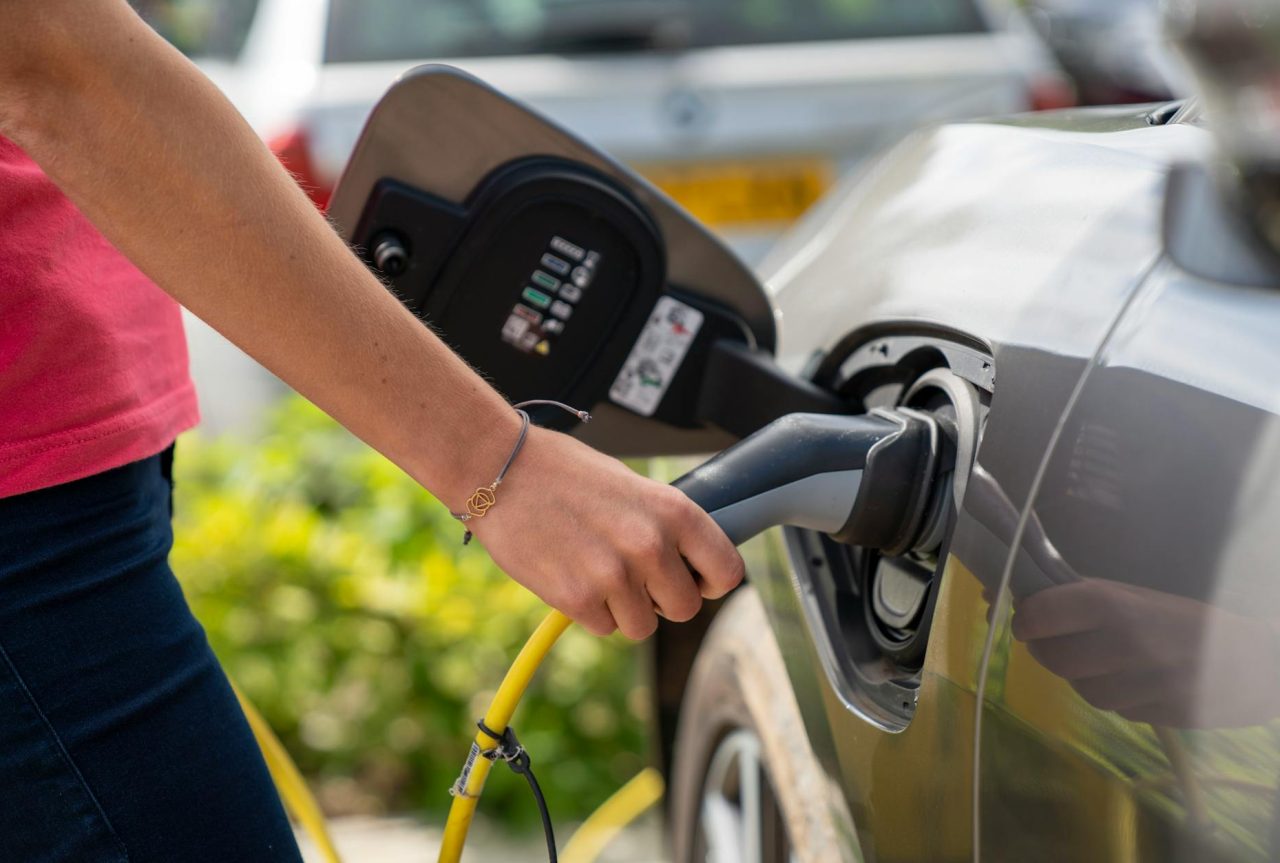
Bad weather makes two things matter more when charging an electric vehicle: how readily the battery accepts energy, and how reliably the charger and connector … Read more
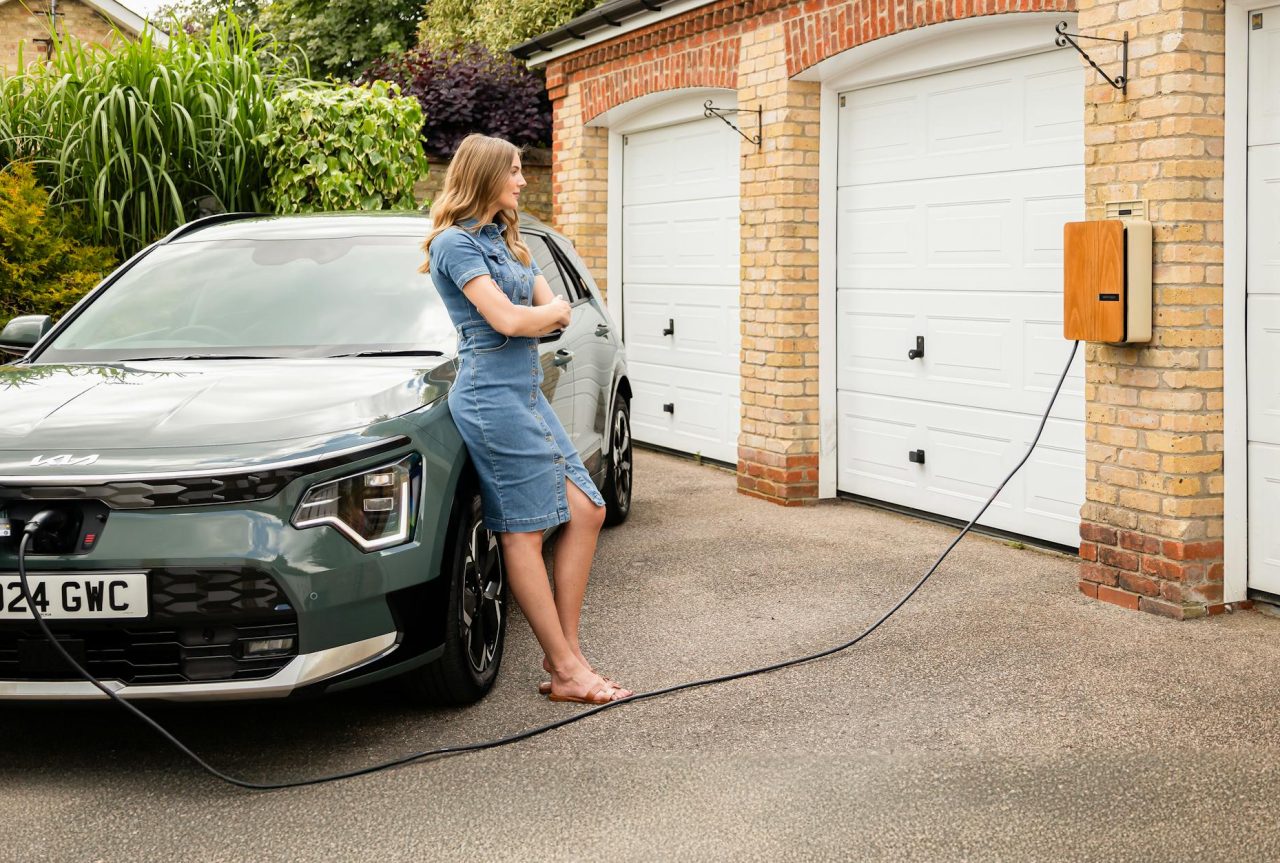
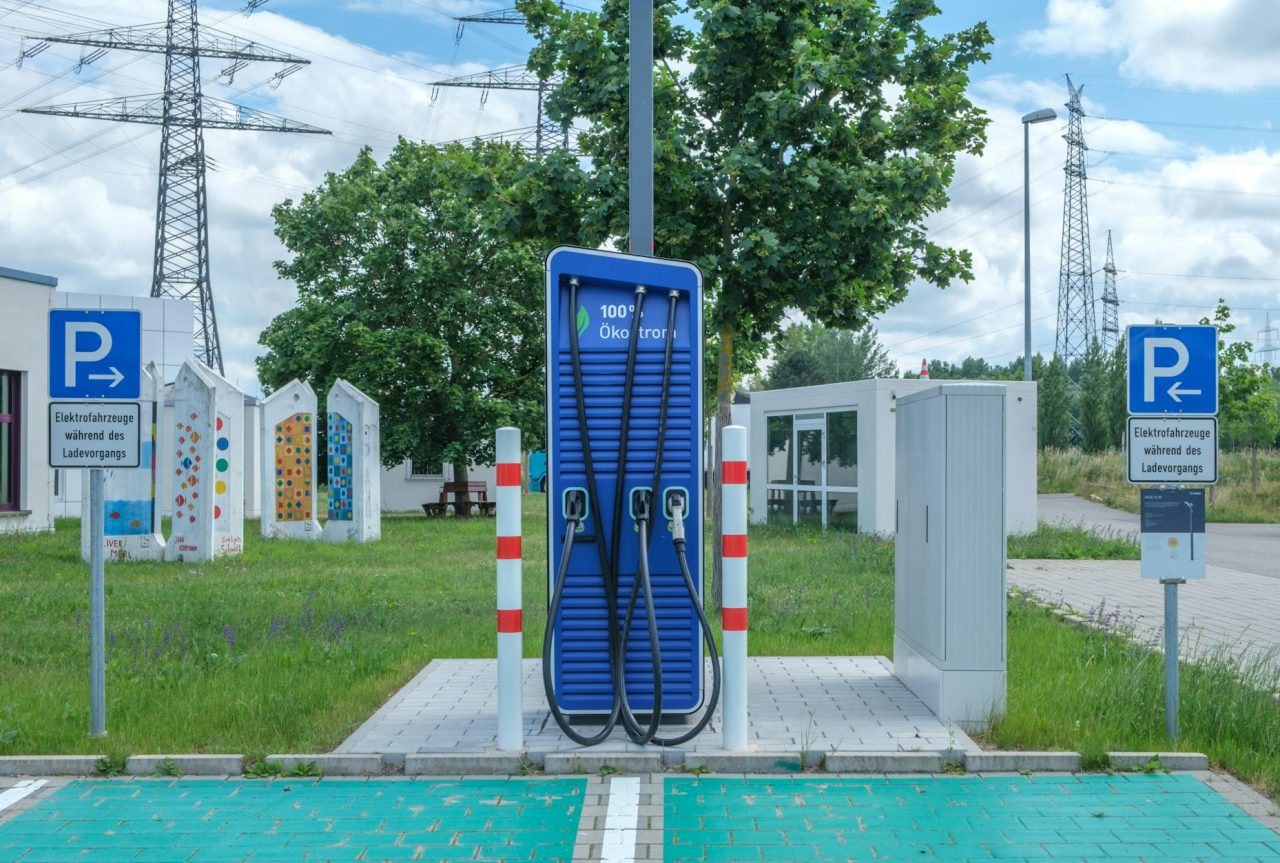
Public charging is a shared infrastructure that needs rules. Charging sessions are longer than fueling a gas car, and small lapses—leaving a car parked after … Read more
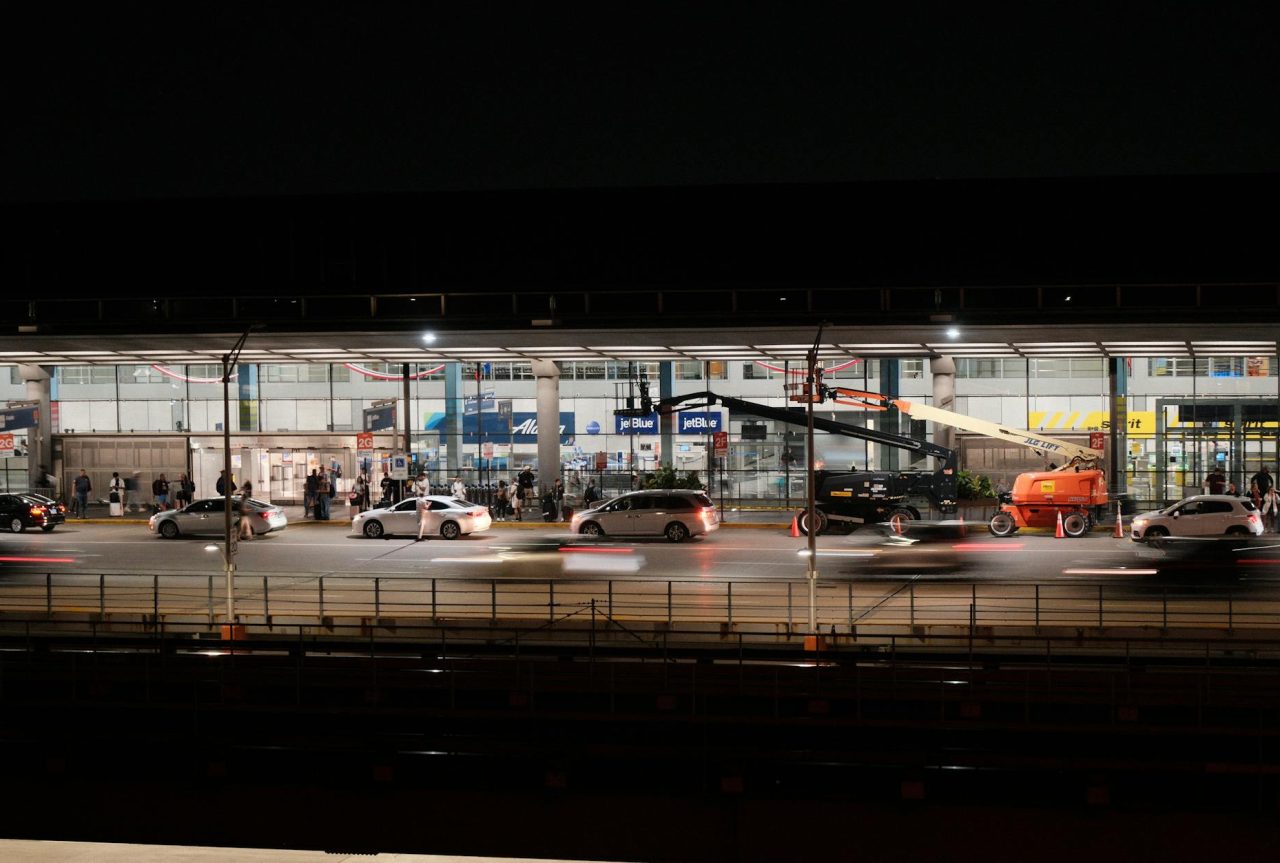
Airport transfers promise a simple handoff: plane to door. In reality, scheduled pickups, curb rules, luggage constraints, and flight variability turn that handoff into an … Read more
Self-driving shuttles are compact, usually electric vehicles built to run predefined short routes with limited human intervention. They commonly carry 6-15 passengers, travel at low … Read more
Scheduling failures show up as late pickups, cancelled airport runs, and drivers who disappear when demand spikes. The problem is rarely a single cause; it’s … Read more
Parking shortages are visible every evening: a shopper circling a block at 5:30 pm, delivery vans double‑parked on narrow lanes, HGVs queuing for the nearest … Read more
Battery degradation is the steady reduction in a battery’s ability to store and deliver energy. It shows up as capacity fade, higher internal resistance, and … Read more
Urban intersections are the chokepoints of any city: a single poorly timed signal creates idling queues, wasted fuel, and tense near-misses between buses, bikes, pedestrians, … Read more
Public chargers in dense neighborhoods and along busy corridors routinely fill, idle, or become blocked. That creates more than an inconvenience: drivers circle, operators lose … Read more