
Best Autonomous Vehicles
The future of transportation is changing with the help of self-driving technology. Driverless cars will save lives and make travel more convenient. Autonomous Vehicles Pros and Cons, a topic that many professionals address when they discuss future mobility scenarios. They are outfitted with cameras, sensors, and smart systems so they can operate without human drivers. Supporters praise their potential benefits.
What Are Autonomous Vehicles
Driverless cars work through high-tech software and sensory technology. They look at roads and traffic without human assistance. They are no longer preprogrammed but rely on processing the data collected instantaneously. They respond to signals, objects, and movement around them. The aim is that man should no longer have to intervene in driving. That transition could transform personal travel and public transportation systems around the globe.
How Autonomous Vehicles Work
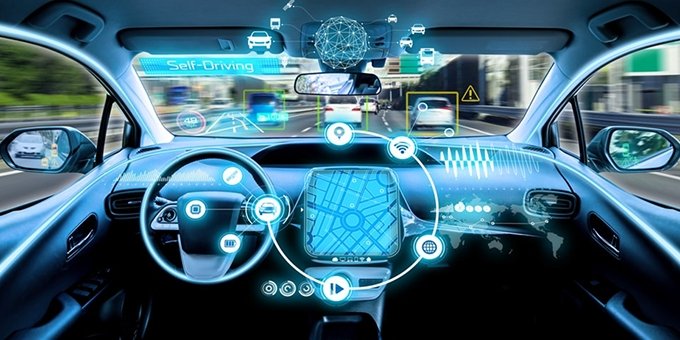
Driverless cars depend on cameras, sensors, and artificial intelligence. These regions take sensory inputs. Geolocation and traffic sign, lane, and obstacle analysis are performed by software. The car responds in real time no lag at all. Every decision is guided by stringent safety regulations. It gets better and more accurate with time. This enables the smooth running of a vehicle under complex conditions.
The Key Benefits Of Self-Driving Vehicles
Today, many accidents are due to human error. Such systems highly comply with traffic regulations. In emergencies, they’re faster off the mark than humans. This capability could reduce crash rates in a major way. Another benefit involves traffic efficiency. A driverless car talks to other systems. They drive at consistent speeds and from safe distances. This is a means of reducing traffic jams on busy streets. Coders make it easier for the public to plan trips with a lot more certainty. Fuel economy also increases through regulated driving habits.
Economic And Environmental Benefits
Autonomous vehicles could decrease transportation costs. Efficient routing lowers fuel use. Reduced accidents decrease repair expenses. An uninterrupted run of vehicles should be an attractive proposition for logistics arms. Economic growth could be aided by such changes. The other way of making a positive contribution to the environment is being able to drive in an eco-friendly manner. Smooth acceleration reduces emissions. This is a benefit that fits in with the environmental goals of most regions. Understanding the Advantages and Disadvantages of Autonomous Vehicles helps people form balanced opinions about this growing technology.
Challenging Aspects Of Autonomous Vehicles
Technology failures pose safety risks. Mistakes in code might cause accidents, especially as Computer Vision Powers Autonomous Vehicles to interpret complex real-world environments. Systems might have difficulty with unpredictable weather, and sensor performance may be impacted by heavy rains or fog. All of these problems will result in a trust issue to be taken into view by the users. More will-driving roles can decrease over time, and this transition impacts millions of workers around the world. Economic destruction is a particularly large concern, so workforce shifts must be carefully planned for by society.
Ethical And Legal Concerns
Ethical decisions challenge autonomous systems. Vehicles might encounter unpreventable collision events. Programming ethical responses remains complex. Restored faith will need transparent decision frameworks. Legal responsibility also remains unclear. Laws can’t keep pace with rapid technological development. Governments continue working on regulations. Clear rules are still needed in order to adopt safely.
Privacy And Security Concerns
Such information can be as general as location and behavior patterns. Protecting this information is critical. Cybersecurity threats pose serious risks. Hacking incidents could endanger passengers. Robust security is still required for public confidence.
Public Acceptance And Trust
Few people want to put their faith in self-driving vehicles. And there is public opinion, which is influenced by fear of losing power. Past incidents shape public perception. Education and testing can help build confidence. Transparent reporting improves trust. It will increasingly be accepted, as safety profiles continue to show that it is safe to use.
Balancing The Advantages Of And Challenges In Avs
The table below highlights the key advantages and disadvantages of autonomous vehicles to help readers quickly understand their impact on future transportation.
| Aspect | Autonomous Vehicles – Advantages | Autonomous Vehicles – Disadvantages | Impact on Future Mobility |
|---|---|---|---|
| Road Safety | Reduces accidents caused by human error through AI-driven decision-making | System failures or software bugs may still cause serious accidents | Potential for significantly safer roads if technology matures |
| Traffic Efficiency | Optimized routing and constant speeds help reduce congestion | Mixed traffic with human drivers may reduce efficiency initially | Smoother traffic flow in smart cities |
| Environmental Impact | Fuel-efficient driving lowers emissions and energy consumption | High production of sensors and batteries impacts the environment | Supports long-term sustainability goals |
| Economic Effects | Lower transportation and logistics costs over time | Job displacement in driving-related professions | Shift toward tech-based employment sectors |
| Accessibility | Improves mobility for elderly and disabled individuals | High costs may limit access for low-income users | More inclusive transportation systems |
| Legal & Ethical Issues | Encourages the development of standardized safety regulations | Unclear liability in accident scenarios | New global transportation laws will emerge |
| Data & Privacy | Real-time data improves navigation and safety | Risk of data misuse and cyberattacks | Demand for stronger cybersecurity frameworks |
| Public Trust | Transparency and testing improve confidence over time | Fear of losing control slows adoption | Gradual acceptance with proven safety records |
Discussions on Autonomous Vehicles Pros and Cons are going global. Advantages are promised in the area of safe and efficient transport. Limitationethical, legal, and technical considerations are emphasized. Balanced assessment guides responsible development. Policy makers and engineers must work together in close partnership. Good planning ensures technology serves society fairly.
The Pros And Cons Of Autonomous Cars In Everyday Life
The Pros and Cons of Self-Driving Cars have been guiding our daily commute. Convenience improves for many users. Safety features reduce driving stress. But there are also pitfalls that technology introduces.
What The Future Of Self-Driving Cars And Autonomous Transportation Really Looks Like
Technology improvements address current limitations. Regulations will adapt alongside innovation. Urban planning may change significantly. Smart vehicles will be running on roads and infrastructure. There may be autonomous components in the public transport systems.
Conclusion
Driverless cars are a seismic shift in transportation. We need to understand the Autonomous Vehicles Pros and Cons for us to make informed choices. These cars provide safety, efficiency, and access advantages. They also present ethical, legal, and labor issues. Balanced development ensures positive outcomes. By adopting thoughtfully, we can help build safer roads and smarter cities.
Click for more information
FAQs
Are cars driven under computer control safer than those operated by people?
They face the chance of human error, but there are still technical and environmental obstacles to overcome.
Can an autonomous car drive itself in the snow?
Performance could suffer when it’s raining and foggy outside.
There aren’t going to be drivers with cars.
Some driving jobs may change, but full replacement will be slow.
Who is responsible if a self-driving car crashes?
Systems will operate based on safety rules programmed in, but legal liability is slippery.