
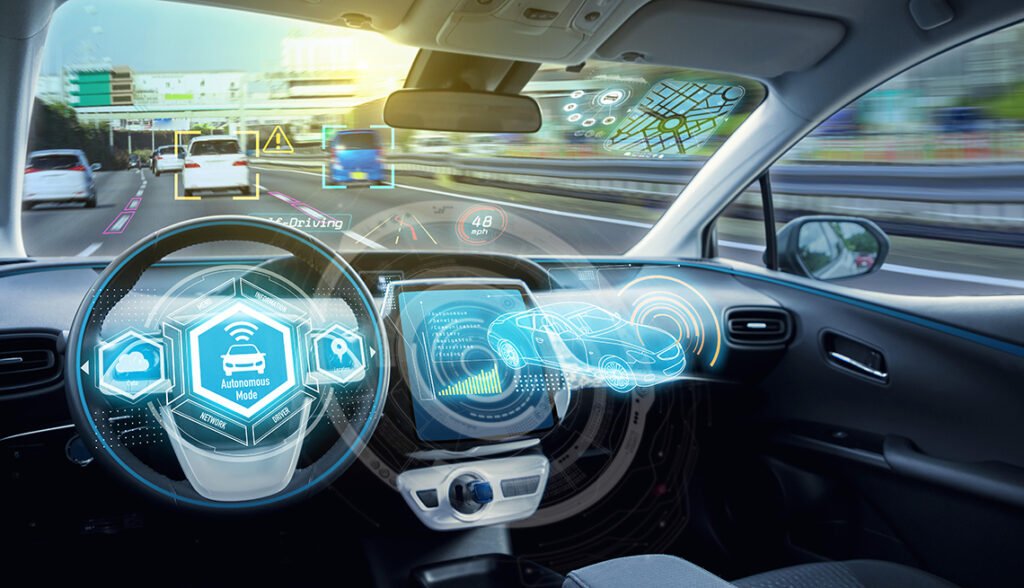
The wildest dreams of sci-fi geeks are no longer the only place where you’ll find autonomous vehicles (AVs) — they are heading directly to the streets. It’s the heart-stopping, pucker-inducing future of AI-assisted vehicles, and it’s moving very quickly from self-driving taxis to driver assist in automobiles. But like any big idea, it has its pluses and minuses.
In this blog, we’ll sort through the greatest autonomous vehicles pros and cons so you can figure out what’s actually going on with the future of driving.
What Are Autonomous Vehicles?
Autonomous vehicles are cars, trucks and shuttles that can drive with little or no human intervention. They rely on sensors, cameras, radar and artificial intelligence to read the road, detect hazards and make instant decisions.
Some vehicles are designed only to help the driver, while others are intended to drive themselves completely. This hodgepodge of technology is reshaping transportation around the world.
The Big Pro of Self-Driving Cars
- Safer Roads
Most road crashes are caused by human error — drivers distracted, speeding or misjudging a situation. The AV won’t get tired and it won’t be distracted. They could react more quickly, adhere to rules more consistently and reduce crashes. Eventually, this could mean saving thousands of lives.
- More Convenience
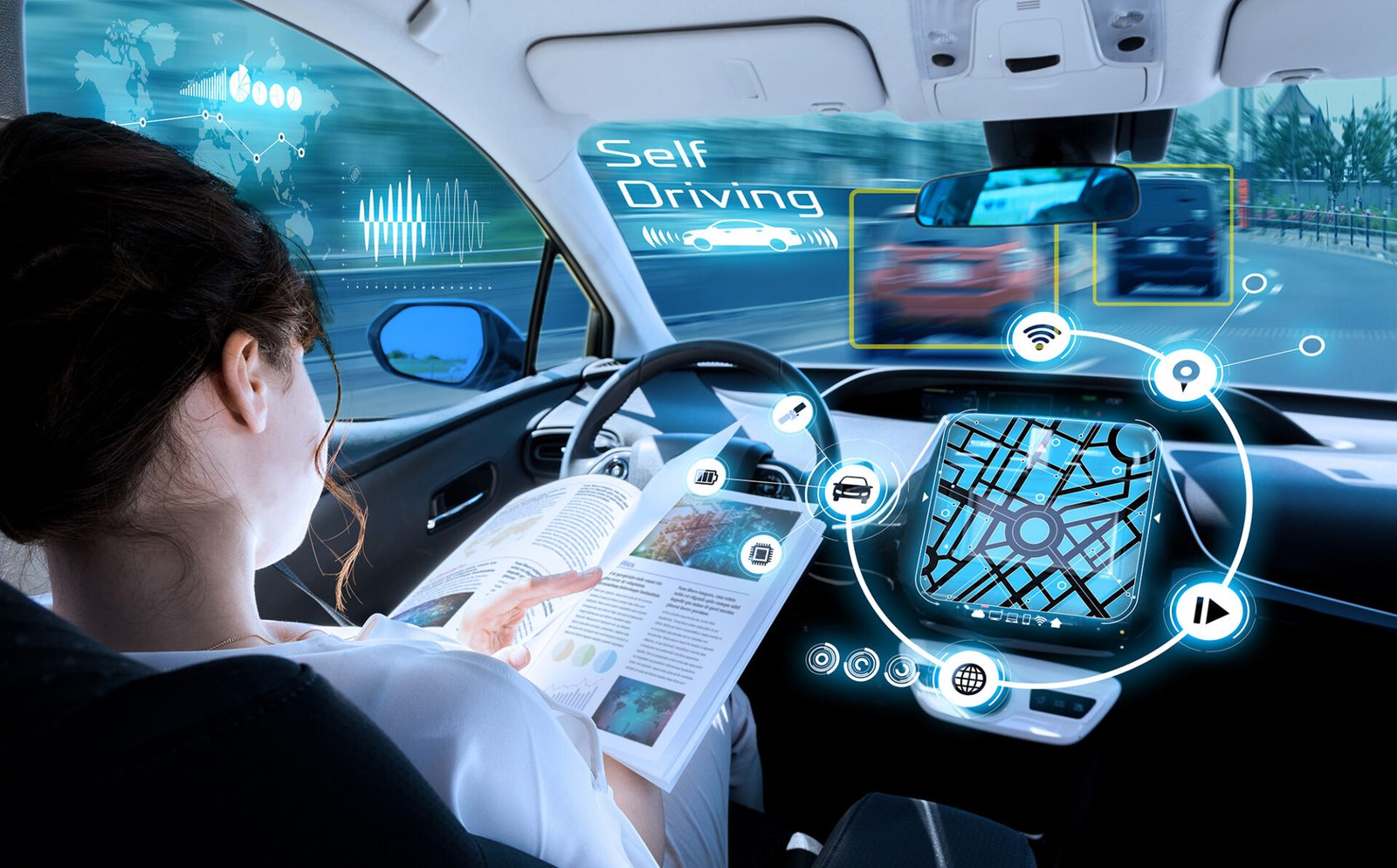
Picture yourself relaxing, getting some work done, taking a nap — on your way to work. Let AVs drive and you concentrate on what is of concern to you. It makes long-distance travel that much easier too.
- Better Mobility for Everyone
Driverless cars can make it easier for those who don’t drive, such as seniors or people with disabilities, to get around. This increases independence and accessibility to services.
- Reduced Traffic and Fuel Use
Smarter navigation means AVs can steer clear of traffic jams, keep to the best route and steadier speeds. This could translate into fewer slowdowns and possibly lower fuel use or battery drain in electric AVs.
- Higher Productivity
If you’re not driving, you can spend your time however you please — working, reading or resting. AVs may spell faster operations and fewer labor costs for corporations, particularly delivery firms.
The Big Cons of Driverless Cars
- High Cost
Sensors, AI processors, mapping and other tech underpinning AVs are expensive. Prices should come down over time, but currently they can be out of reach for a lot of people and companies.
- Safety Concerns and Technical Limits
The fact that full self-driving supervised vehicles are far from perfect at navigating complex environments — heavy rain, snow, surprising road conditions or erratic human drivers — is no secret. Technical errors might lead to accidents if systems collapse at an inopportune time.
- Job Impact
Many workers, from truckers to cabbies, rely on driving for their livelihoods. As autonomous vehicles proliferate, some of these jobs may evolve or vanish. That leaves economic and social problems.
- Ethical and Legal Questions
Who should be accountable if there is a crash? The car company, the software company or the passenger? The answers to those questions remain murky in many countries.
- Cybersecurity Risks
Autonomous vehicles depend on software and connectivity. These are open to being hacked or manipulated in the system and this could pose serious safety privacy issues on influencing them.
Better Planning, Smarter Cities
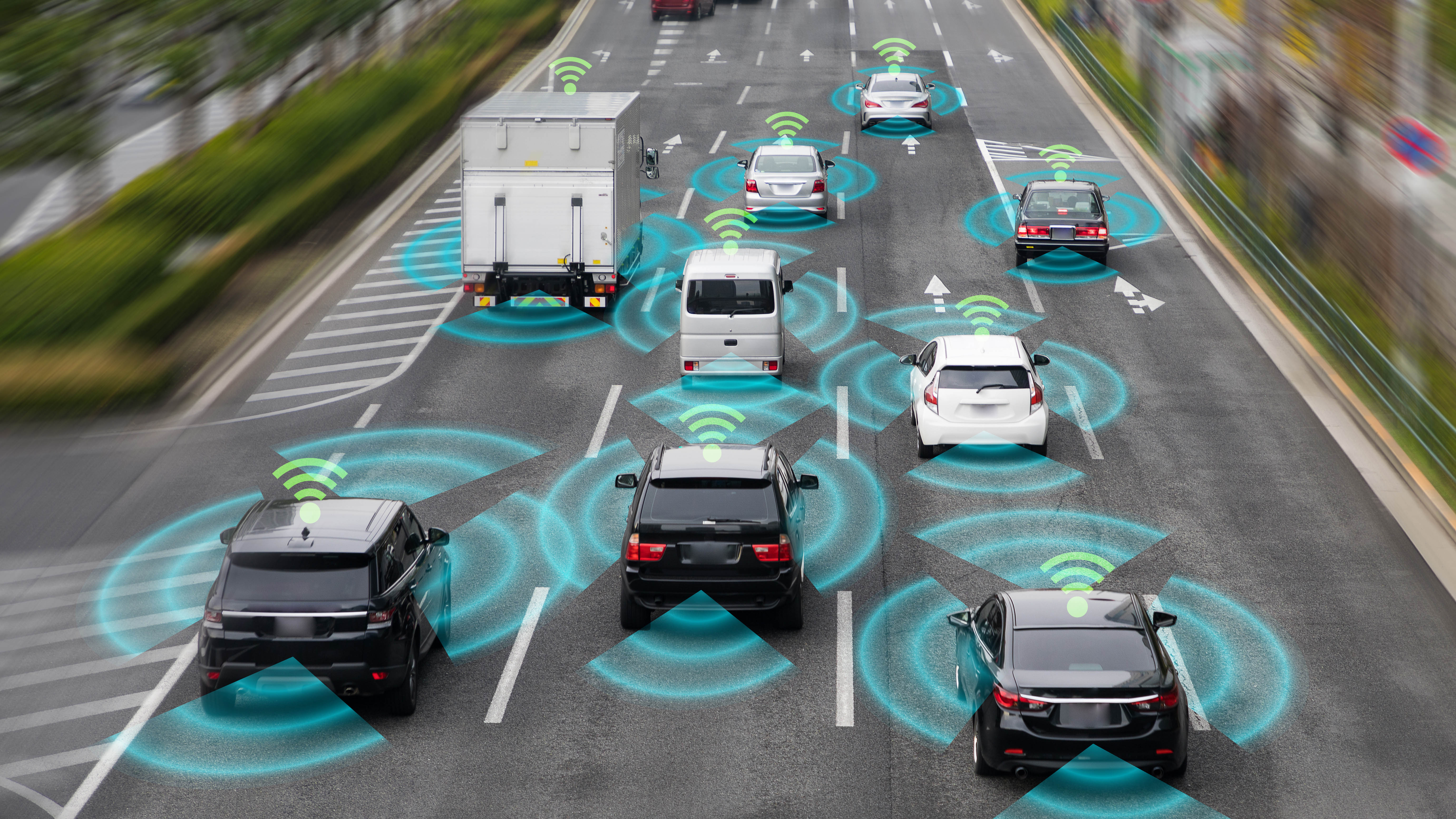
Self driving cars pros and cons have the potential to make cities more orderly and people more productive. If AVs can transmit data on traffic, road conditions and travel patterns, city planners will be in a better place to make decisions. That would mean better roads, smarter traffic signals and better public services. Ultimately, AVs could relieve congestion, facilitate safer pedestrian traffic and begin making our cities cleaner and greener.
Changing Car Ownership Trends
As self-driving cars become more reliable, fewer people may even see the need to own a car at all, highlighting the pros and cons about self driving cars in modern transportation. Alternatively, they could bide their time by simply traveling on self-driving ride-sharing services once they had to go somewhere. This change would solve parking problems, decrease maintenance costs for individuals, and result in fewer cars. It might also help to minimize noise and pollution in crowded city areas, further emphasizing the pros and cons about self driving cars for future urban living.
A Long Delay, Not an Abrupt Shift
AVs are promising, but the change won’t be immediate. Laws need to be updated, technology needs ironing out and the public needs to learn how to trust self-driving cars. Autonomous vehicles are likely to be used in limited areas first: controlled areas, business parks or delivery routes. Gradually, with improved safety and falling costs, AV use will become more ordinary.
So, Are Autonomous Cars the Future?
AVs have such great potential, but we’re still in the messy transition. They’re getting smarter, safer, and more capable with each passing year—especially with advances in computer vision in autonomous vehicles—but they still require more testing, regulation, and public acceptance.In the next decade, we will probably see a mix of regular cars, semiautonomous vehicles and second-generation fully self-driving services. The future seems promising but also very complicated.
Like and visit our Pinterest profile for more details and information
FAQs
- Are autonomous vehicles fully safe?
Not yet. They mitigate many hazards, but still falter in complicated driving scenarios. They are getting better, but there often still needs to be human oversight.
- Will AVs supplant every human driver?
Not anytime soon. While some jobs can be affected, many areas will still rely on human drivers — particularly in difficult environments.
- What does the road look like to an autonomous car?
They leverage sensors like cameras, lidar, radar and A.I. to detect objects, read signs and make driving decisions.
- Will self-driving cars be able to drive in the rain?
They are able to, but they might not have as good a performance. Sensors can be compromised by heavy rain, fog or snow.
- AVs are good for the environment?
They can be — particularly when electric power is in the mix. Its absence of optimal routing and initiation at full stop slows every vehicle to a near stop, which can add up to increased emissions and wasted fuel.