
Introduction:
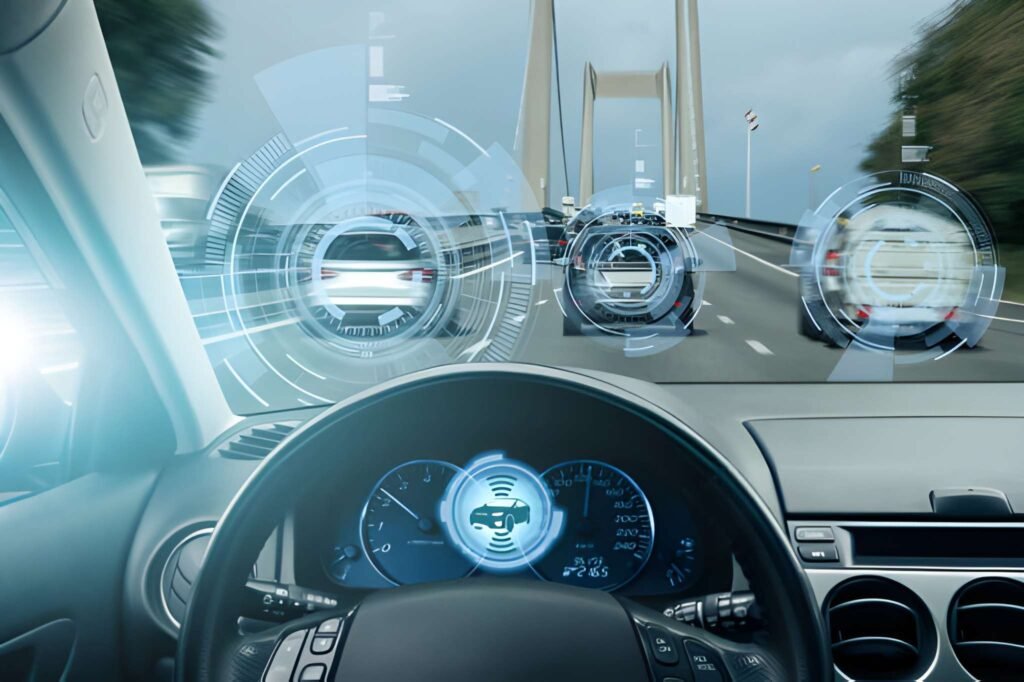
The Future of Self-Driving Vehicles has looked brighter, and yet transportation seems to be transforming so quickly. We’re on the brink of a new decade that will revolutionize how people move around cities and hit the open road. The vehicles are operated by cameras, sensors and artificial intelligence without the need for human intervention. They should also make driving safer and less congested, and more convenient even.
Traffic Efficiency And City Planning
Traffic and city planning will be transformed by self-driving cars, shaping the Autonomous Vehicle Future. Vehicles can communicate with each other to maintain a safe following distance, and this synchronized movement helps reduce car traffic. Streets could accommodate more vehicles without becoming congested, and cities may redesign streets with autonomous lanes in mind. If cars can park themselves in orderly rows, parking lots may need to be smaller. Overall, the Autonomous Vehicle Future promises city transport that is more flexible, efficient, and predictable.
Environmental Benefits
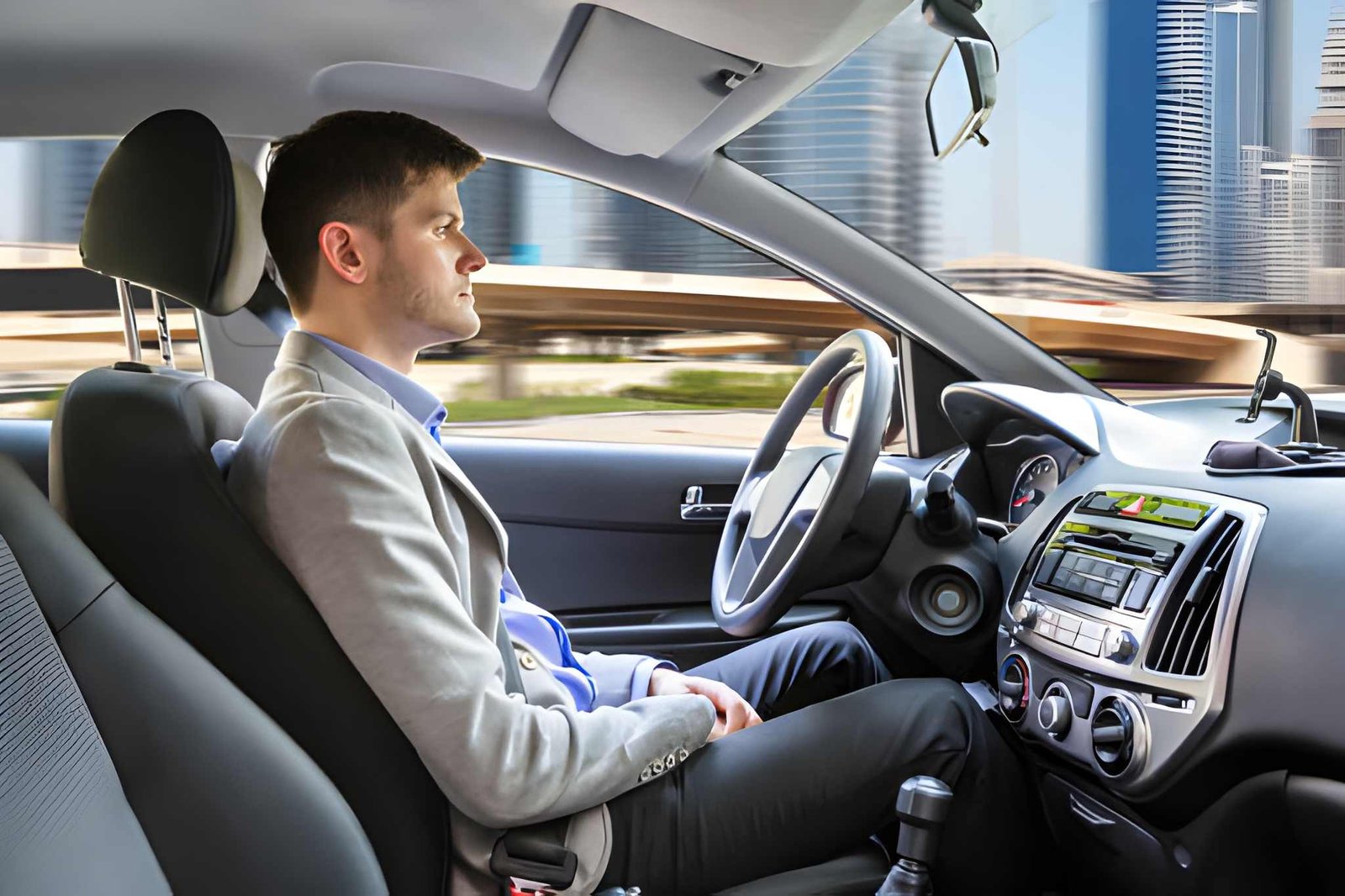
On the Future of Autonomous Vehicles, there’s an environmental win as well. Fuel use and emissions are reduced by driving behavior. Cars and trucks whiz by at an efficient, steady clip, without having to slow down unnecessarily. Electric autonomous vehicles help in curbing pollution. Traffic jams are also lowering carbon. We saw less crowded streets, cleaner air in our cities. These are in line with global sustainability aims.
Moreover, the Autonomous Vehicle Future supports smarter urban planning by optimizing traffic flow and reducing the need for large parking spaces. With more vehicles operating efficiently and in coordination, cities can allocate space for green areas, pedestrian zones, and bike lanes. This shift not only enhances environmental benefits but also improves quality of life, making urban areas safer, quieter, and more sustainable for residents.
Technological Advancements Ahead
There will be more intricate and twisty roads and circumstances. Vehicles must be equipped to deal with the unexpected, and unmanaged machine-learning algorithms can assist. And even better decisions can be made with up-to-the-minute data from other cars and traffic infrastructure. Processing itself will be faster, thanks to cloud computing and high-speed networks. These are a class of innovations that will make the Future of Self-Driving Vehicles in a much safer world.
Ethical And Legal Considerations
Autonomous vehicles are on the road to ubiquity, shaping the Autonomous Vehicle Future, yet they raise ethical and legal questions. There may be occasions where damage is unavoidable, and moral programming remains a work in progress. As truly self-driving cars get into accidents, liability laws will have to adapt to the realities of the Autonomous Vehicle Future. Governments must craft clear guidelines for their broad-scale use. As the community gains trust, issues of transparency, ethics, and legal frameworks will continue to evolve. Public education will play a key role in preparing society for these changes. Continuous collaboration between technology developers, regulators, and the public will be essential to ensure a safe and responsible transition to autonomous mobility.
Integration With Public Transport
It is possible to integrate AVs with public transit. There is also a role for autonomous buses and shuttles to be part of first-mile, last-mile service. Cities can blend fully automatic and manually driven vehicles as well. This coordinated movement, in turn, leads to reduced travel times and better system accessibility.
Conclusion
The future of Self Drivings is all about safety, convenience, and environmental well-being. Holistic development of Self Drivings will also pave the way for safer and smarter urban transportation. Their practical use could help shape the way we live and travel for at least the next decade.
FAQs
Can self self-driving cars drive in ALL weather?
The performance may suffer in a downpour, snowstorm or heavy fog, but you can’t rush genius.
Do self-driving cars change public transportation?
Autonomous cars could couple with buses or shuttles, improving overall mobility.
When will the driverless car be ready?
There are key levers of scale adoption: technology readiness, regulation and public confidence.
For more information visit our Pinterest Account.