Focused checks reduce risk and hassle during a trip. This article is for commuters, late-night travelers, parents arranging child seats, and anyone who uses a ride-share vehicle occasionally. Read the short pre-ride sequence below, then use the 60-second vehicle inspection when the car arrives.
Make these fast verifications a habit: confirm app details, match driver and license plate, scan the exterior and interior, and confirm basic safety features. Each step includes why it matters, decision factors, and what to do if something is wrong.
Confirm identity and trip details
- Match driver photo and name: Compare the app photo and name to the person at your pickup. If they don’t match exactly, cancel. A mismatch can mean a wrong pickup or impersonation.
- Check the license plate: The app lists the plate. Verify it before the car stops and again as you approach. A wrong plate is a strong reason to cancel immediately.
- Verify make, model, and color: If the vehicle type doesn’t match the app (for example, a compact instead of a standard sedan), consider comfort and luggage needs, but always prioritize matching name and plate.
- Confirm pickup location: Make sure the pickup point in the app matches where the vehicle stopped. If the driver is parked in a dim or unsafe spot, ask them to move to a well-lit area or cancel.
- Ask for verbal confirmation: Say your name as it appears in the app and ask the driver to confirm. A driver who refuses or can’t confirm basic trip info is a red flag.
Quick exterior and immediate hazards scan (60 seconds)
Walk around the vehicle if possible. You don’t need technical expertise—look for obvious safety problems that affect a safe trip.
- Major body damage or leaks: Cracked windshields, hanging bumpers, or wet spots under the car can indicate poor maintenance or recent collision damage.
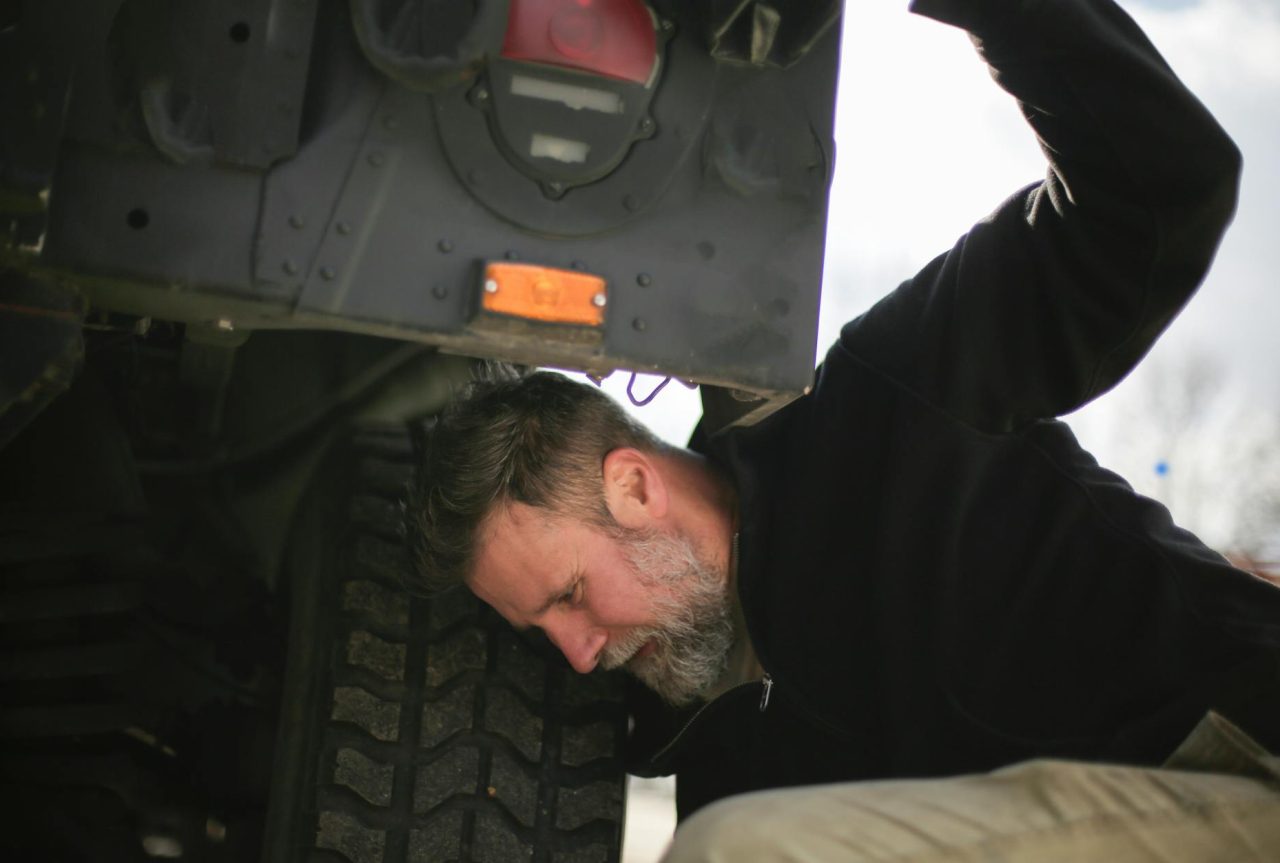
- Tire condition: Look for low tread, bulging sidewalls, or visible cords. Poor tires raise the chance of a blowout, especially on highways.
- Lights at night: Confirm headlights and taillights function. Dim or non-functional lights reduce visibility and can be illegal.
- Inside hazards and strong smells: Open the door and check for loose objects on the dash, heavy smoke odor, or overpowering air freshener that masks another smell. These can be distracting or signal deeper problems.
Safe pickup practices and communication
Pickup is when mix-ups and misunderstandings happen. Use the app’s tools and simple social cues to keep the interaction clear and safe.
Where to meet and how to communicate
- Choose visible pickup points: Meet at well-lit, populated locations such as building entrances, ride-share lanes, or near curbside taxi stands. These places are easier for drivers to find and create natural witnesses.
- Use in-app messaging: Messaging inside the app preserves a record and usually hides your phone number. If you must call, avoid sharing extra personal details like your home routine.
- Stand slightly back: Keep a few steps away so you can verify details without crowding. If the driver needs to see your screen, show only the trip name and destination.
- Use a short verification line: Say, “Hi — I’m [Name], is this ride to [Destination]?” This prompts quick confirmation and signals you are attentive.
Inspect the cabin: comfort, safety gear, and usability
Before you sit, confirm the vehicle is safe and functional for the ride. Small checks often reveal larger maintenance issues.
- Seatbelts: Pull and latch the seatbelt you will use to confirm it retracts and locks. Frayed webbing or sticky retractors suggest neglected repairs.
- Dashboard warnings: Check for illuminated warning lights, especially airbag, ABS, or engine lights. Persistent warnings can indicate systems were driven with faults.
- Cleanliness and odors: No soaked upholstery, visible mold, or sticky surfaces should be present. Severe interior problems can affect respiratory health.
- Child and accessibility equipment: If you need a car seat or wheelchair access, confirm availability and proper installation before accepting the ride. Request accessible vehicles in the app when required.
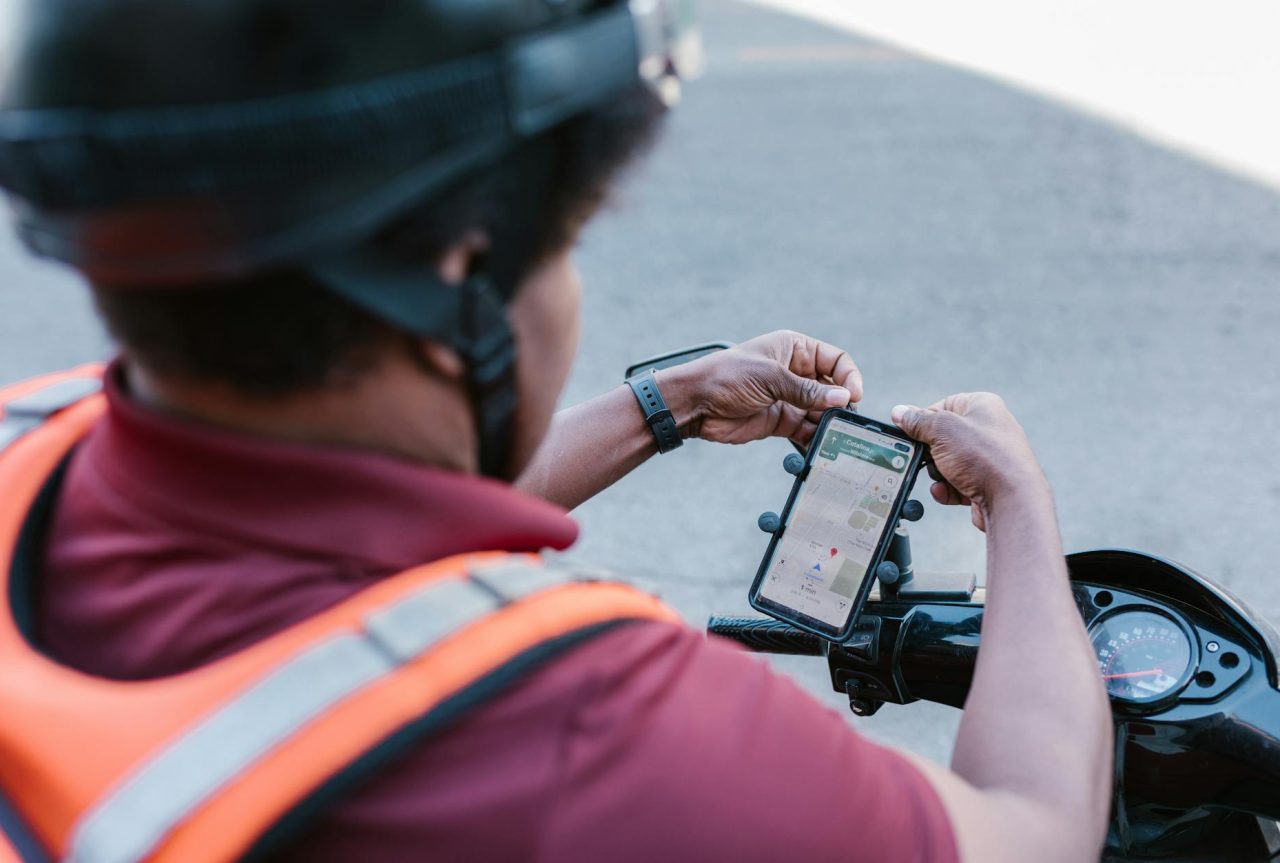
- Driver distraction: Navigation should be mounted and readable without holding the phone. If the driver is adjusting a device while moving, ask them to pull over before departure.
Technology, extras, and what they mean
Premium options like bottled water or limousine service may signal higher upkeep, but extras do not replace safety basics. Treat extras as convenience, not inspection items.
- Accessibility features: If mobility access is needed, request a ramp-equipped or ADA-capable vehicle and allow extra pickup time. Not all vehicles are equipped.
- Car seats: If a platform offers car-seat service, confirm the seat model and certification; improper seats can be unsafe.
- Secure the cabin: Ask the driver to lower the loud music or secure loose cargo before starting if it interferes with safe driving.
Red flags that warrant cancellation or immediate exit
Certain conditions are non-negotiable. If you see any of the items below, decline or end the ride right away.
- Mismatched driver identity: Photo, name, or plate doesn’t match the app—cancel immediately.
- Driver impairment: Slurred speech, glassy eyes, or unsteady gait indicate possible intoxication or impairment. Exit and cancel the trip.
- Mechanical danger signs: Smoke from the engine bay, loud knocking, sagging suspension, or burning smells are reasons to stop and exit.
- Missing safety gear: Non-functional seatbelts, flat tires, or inoperative headlights at night are grounds to decline the trip.
- Aggressive or threatening behavior: If the driver behaves aggressively or harasses you, get out in a safe spot and report the incident to authorities and the platform.
Tools and items to carry with you
Keep a small set of items to increase security and response options during a ride.
- Charged phone and power bank: small flashlight, and an extra charging cable.
- Personal alarm or whistle to attract attention if needed.
- Use the app’s live: share feature so a trusted contact can follow your trip in real time.
- Store emergency numbers and the platform’s help line in your phone for quick access.
When does an on-road issue require a mechanic?
If the vehicle shows mechanical warning signs while you’re in it, ask the driver to stop in a public, well-lit area. Symptoms that usually require a professional inspection include:
- Persistent engine knocking or grinding sounds.
- Strong burning smells from oil or electrical sources.
- Repeated warning lights that don’t clear and affect drivability.
- Severe fluid leaks or visible smoke under the hood.
If you notice these, exit the vehicle for your safety, document the plate and location, and report the condition to the platform so the vehicle can be removed from service and inspected by a mechanic.
Reporting problems after the ride
Timely, specific reports help platforms investigate and prevent repeat incidents. Include concrete details when you report.
- Rate and report immediately: Use the app to report safety, cleanliness, or route deviation issues. Note time, pickup and drop-off locations, plate number, and a concise description.
- Document evidence: Photos of the plate, interior damage, or dashboard lights strengthen a report.
- Escalate severe incidents: If you were threatened or injured, file a police report and follow up with platform support by phone as well as in-app.
- Keep records until resolved: Retain screenshots and photos until the platform closes the case or an authority completes an investigation.
Realistic example: late-night airport pickup
A traveler waits under an airport curbside light. The app shows a black sedan, plate ABC-123, driver name “María.” Two black sedans are present. Asking both drivers their names and checking plates reveals one match.
The rider chooses the matching vehicle but notices a faint burning smell and an illuminated engine light. They request the driver to pull over at a nearby terminal, exit at a well-lit spot, and report the problem. The passenger requests a new ride and documents the plate and app screenshot.
Stopping early prevented a longer trip with a potential mechanical failure.
Common mistakes riders make and how to avoid them
Skipping plate or photo checks because the driver “looks fine.” That single second avoids wrong pickups more often than any other step.
- Not using live-trip sharing, especially at night. Share the trip when traveling alone or through unfamiliar areas.
- Assuming premium listings mean the vehicle is well-maintained. Extras like bottled water or premium interiors are not substitutes for functional safety systems.
- Failing to test seatbelts or glance at dashboard lights. Those checks reveal many latent issues quickly.
Why these checks reduce risk?
The process rests on three practical pillars: identity verification, vehicle fitness, and situational awareness. Identity checks stop wrong pickups and impersonation. Vehicle fitness checks—visible damage, tire condition, and dashboard lights—reveal neglected maintenance that raises crash and breakdown risk.
Situational awareness—choosing safe pickup points, sharing trips, and having an exit plan—gives you options if the ride becomes unsafe.
Decision factors change with context. For daytime pickups in busy areas, you might accept minor cosmetic damage. For late-night or highway trips, downgrade tolerance for anything that affects drivability: engine lights, poor tires, or odd noises should outweigh convenience.
Additional practical notes and short observations
During rush-hour pickups, drivers often pull into the nearest safe gap; allow an extra 2–5 minutes to meet at a better-lit spot if needed.
- Airport and train: station queues can create multiple similar vehicles—insist on plate and photo checks rather than relying on vehicle color alone.
- A faint chemical or burning smell that grows stronger within the first 5–10 minutes usually indicates a mechanical or HVAC issue that should be addressed.
Practical final takeaways
Spend 30–60 seconds on identity and plate checks and another 60 seconds on a quick exterior and interior scan. Use in-app messaging and live-trip sharing, carry a small phone charger and flashlight, and report any safety or mechanical issues promptly with photos and timestamps.
If anything feels unsafe—mismatched identity, signs of impairment, mechanical warning lights, or strong burning smells—stop, document, and report. These steps protect you now and improve safety for future riders.
Read Next: How to Stay Safe When Using Ride-Share Services at Night
Read Next: What to Do If Your Ride Suddenly Stops Mid-Trip
Read Next: How GPS Errors Can Affect Your Safety During a Trip
Read Next: Travel Safety Concerns for Tourists Using Local Transport Apps
Read Next: What Happens Behind the Scenes When You Report a Ride Issue