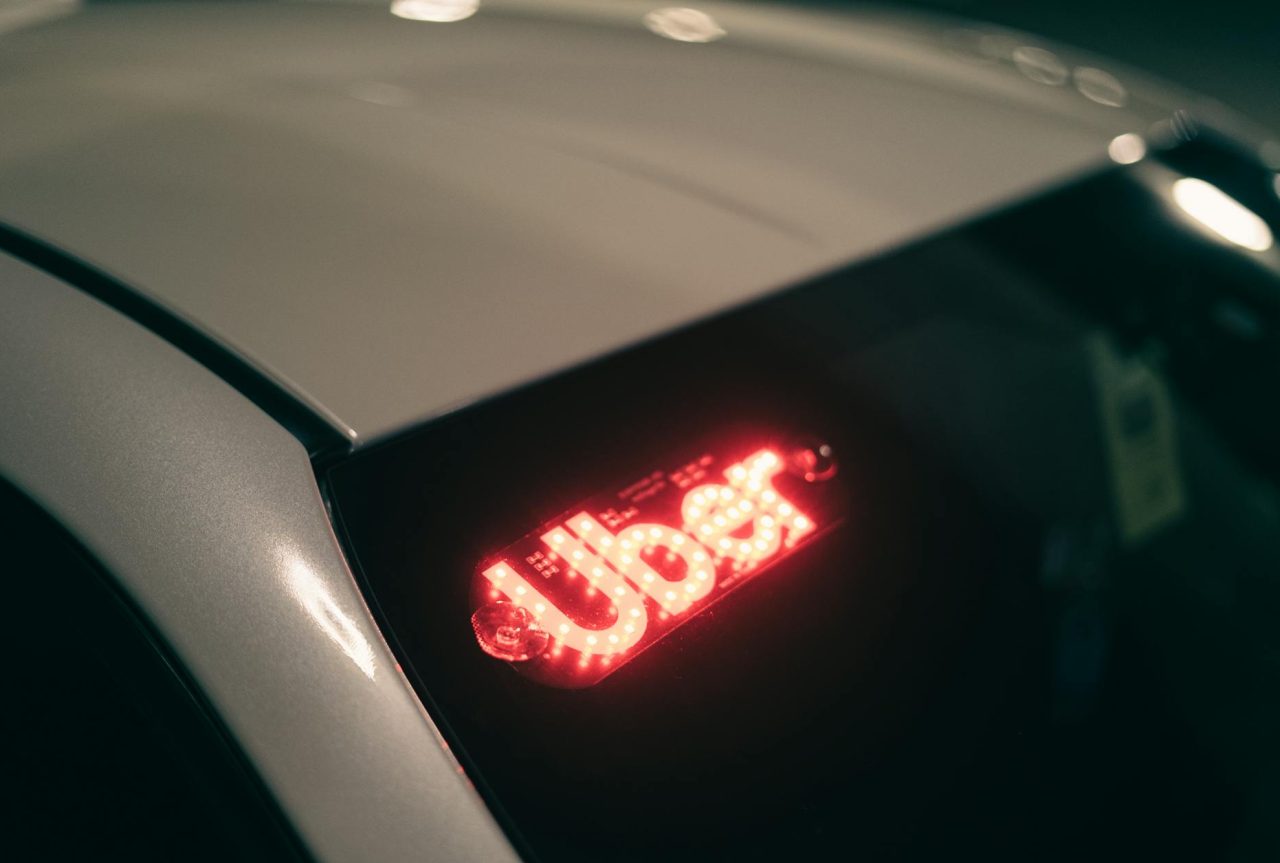
Nighttime trips concentrate risk: dim light, fewer passersby, and more tired or impaired travelers. That increases the chance of missed visual cues, wrong vehicles, and uncomfortable encounters.
This piece is for late-shift workers, students, older adults, parents, and anyone who uses ride-share services at night and wants straightforward, actionable safety steps.
Why extra caution helps after dark?
Ride-share platforms add safety layers—driver screening, in-app ID, GPS tracking—but those reduce risk rather than remove it. Your choices before and during a trip determine whether those layers work. Small actions at pickup and in the vehicle cut exposure the most.
Common failure points and what goes wrong
- Poor visibility: license plates and vehicle details are harder to read at a distance or in poorly lit lots.
- Ambiguous pickup pins: multiple app pins or imprecise addresses send drivers to different spots, producing awkward or unsafe handoffs.
- App or network glitches: slow service can delay confirmations or trip sharing, removing an important safety record.
- Driver fatigue or impairment: long hours or intoxication affect reaction time and judgment—watch for signs and act early.
- Mechanical problems: visible vehicle issues (bald tires, warning lights) are safety failures that should stop a trip before it starts.
Set up your account and tools before night travel
Preparation turns decisions into routine. Build a short checklist into your departure ritual so you don’t have to improvise in the dark.
Account, verification, and safety tools
- Create a verified account: use a payment method in your name, add a clear profile photo, and enable phone and email confirmation so drivers can verify you quickly.
- Turn on live trip sharing: pick at least one contact to receive your live route. If the network drops, set a text backup with ETA and plate details so someone will expect you.
- Learn the app’s emergency features: test the SOS button, emergency call, and in-app reporting during the daytime so you can activate them under stress.
- Save frequent pickup spots: pre-saved addresses reduce the chance of placing a vague pin at night.
- Consider scheduled rides or transit partnerships for predictable windows; for example, regional programs sometimes partner with ride-share providers for subsidized late-night trips—these give structured pickup times and lower confusion.
Choose a pickup point that reduces risk
Where you wait matters as much as who’s driving. Opt for spots that make visual ID easy and keep you in sight of others.
- Pick well-lit: populated areas near building entrances,24-hour businesses, or bus stops. Light improves visual verification and discourages illicit behavior.
- Prefer curbside pickup on a main road rather than secluded driveways or alleyways. Public curbs bring witnesses and easier access for emergency services.
- If the app shows multiple pins: move it to a clear landmark—store entrance, stadium gate, or named hospital canopy—so driver and rider meet at the same spot.
- Account for traffic and weather: choose a place where a driver can stop safely without reversing or blocking lanes, especially in rain, snow, or on busy roads.
Quick verification steps before you approach
Confirm four items every time. These checks take less than 30 seconds and prevent common mistakes.
- Match the license plate: car make and model, and color with the app. If anything differs, message the driver before approaching.
- Confirm the driver’s name and photo in the app. Ask the driver who they are picking up; a simple exchange is normal and expected.
- Use the app’s call function if you can’t see the plate. A short call helps triangulate a specific landmark like “by the blue awning.”
- Never switch to cash or leave the app at a driver’s request. In-app payment and trip records protect you in disputes.
In-ride practices that keep you in control
Stay oriented and ready to act. These small habits preserve options if the ride deviates from the expected path.
- Sit in the back seat when alone to maintain distance and two exit options.
- Keep the live route visible and glance at it periodically. If the driver starts a significantly different route, ask calmly where you’re headed and why.
- Use neutral phrasing to correct course: a polite question often resolves a routing error without escalating the situation.
- Limit personal details. Avoid saying you live “nearby” before arrival; give the precise drop-off only when necessary to prevent follow-home risk.
- If you feel uneasy but not threatened, ask to be let out at the next busy, lit spot. If you perceive imminent danger, hit the app SOS button and call 911 immediately.
When does a vehicle show mechanical or safety issues?
Visible safety problems are a red flag. A quick walk-around before boarding takes under a minute.
- Check tires for obvious baldness and look for dashboard warning lights. If a driver’s vehicle shows mechanical faults, decline the ride and report the condition through the app.
- If you notice repeated mechanical issues with the same vehicle and the platform doesn’t act, gather timestamps and photos and report to the company; consult a professional inspector only if you’re coordinating a persistent complaint that may require technical verification.
- When a driver claims a mechanical excuse mid-trip, and you’re concerned, ask to stop at the nearest safe location and document the situation afterward.
Handling suspicious behavior and emergencies
Prioritize distance and witnesses. The first minute of an escalation often decides the outcome.
- Use in-app reporting for reckless driving, harassment, or unauthorized route changes. The app’s report creates a timestamped record that companies use for action.
- Call 911 for threats: physical harm, or if you are followed after exiting. Share the trip link with dispatch or friends so your location is current.
- After you are safe, document: driver name, license plate, time, and screenshots of the route. These details speed investigations and are helpful if police get involved.
Realistic example: late-shift hospital worker
A nurse finishing a 12-hour night shift schedules a pick-up at 11:40 p.m. from the hospital’s main entrance under the canopy. She shares the live route with a roommate, confirms the driver and plate before walking out, and sits in the back seat.
Mid-ride, the driver takes a detour for construction but messages the change through the app; she watches the route and texts her roommate to confirm. On arrival she exits curbside and files a short report noting the detour. Scheduling, a clear pickup point, and trip sharing reduced confusion and maintained oversight.
Timing, sensory cues, and small operational details
At bar close or event end times: rides cluster and arrival windows expand; expect 10-20 minute variability and verify details rather than rushing to the first car you see.
- When pickup zones are noisy—street music: crowds—use in-app messaging instead of calls so you have a written record of coordination.
- Watch for subtle fatigue signs: repeated yawns, slow responses, or unclear navigation prompts. If you observe these, ask to stop at the next public place and report the driver after you exit.
Alternatives and community programs for late-night travel
Options beyond on-demand hails can add predictability and lower cost for specific riders.
- Regional transit partnerships: some transit agencies contract with ride-share companies for subsidized late-night trips, offering set pickup windows and reduced fares for eligible riders. These programs can be particularly useful when buses aren’t running.
- Pre: scheduled rides reduce waiting and let you verify driver details earlier. If you’re traveling from areas with limited late-night service, scheduling is usually worth the small extra fee.
- Pooled rides save money but increase time and exposure: for late-night trips where speed and fewer stops matter, consider paying for a direct ride.
Reporting effectively and when to involve professionals
Clear, factual reports prompt faster action. Include specific details rather than broad complaints.
- Provide driver name: license plate, trip start and end times, screenshots of the route, and a concise factual account when reporting to the company.
- File a police report for threats: assaults, or stalking. Companies respond more quickly when official documentation exists.
- If you notice recurring mechanical hazards that the platform does not address, collect photos and timestamps. A mechanic or fleet inspector can confirm defects if you need professional verification for a complaint.
Practical checklist to keep on your phone
Nighttime ride-share trips are convenient and can be safe when you take a few consistent steps: verify, stay visible, keep witnesses informed, and act early if something feels off. Those habits remove guesswork at the curb and give you clear options if a situation changes.
Read Next: What Passengers Should Do During a System Failure in Smart Vehicles
Read Next: How to Handle Emergency Situations in Driverless Cars
Read Next: What to Check Before Entering Any Ride-Share Vehicle
Read Next: Travel Safety Concerns for Tourists Using Local Transport Apps
Read Next: What Happens Behind the Scenes When You Report a Ride Issue