
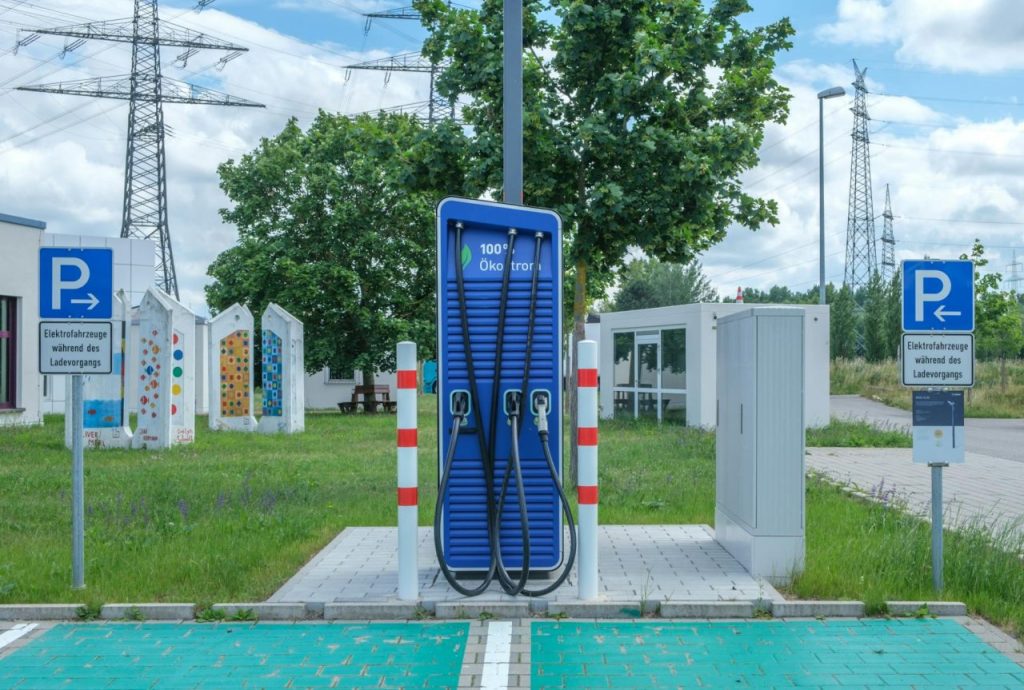
Charging station overcrowding — why timing and rules beat bricks-alone solutions
Public chargers in dense neighborhoods and along busy corridors routinely fill, idle, or become blocked. That creates more than an inconvenience: drivers circle, operators lose revenue, utilities face unpredictable peaks, and perceived reliability drops — which can slow EV adoption in areas where infrastructure lags. You’ll see chargers full on weekday evenings and largely idle midday; that temporal mismatch is the lever scheduling and software can pull fastest.
Street-level signs, a cluster of apartment windows, and the smell of evening takeout are the cues: curbside chargers near multifamily housing get hammered5–9 pm while midday they sit unused. The honest trade-off is that adding stalls is necessary at scale, but scheduling, pricing, and local policy reduce overcrowding far faster and cheaper than immediate capital expansion.
How stations fill: supply, demand, and the human element
- Multifamily dependence: Residents without off-street parking rely on public curbside chargers; without mapped priorities, chargers concentrate in a few blocks and quickly overload.
- Corridor clustering: Long-range routes funnel drivers to known fast hubs; one outage cascades waits to adjacent sites.
- Grid and permitting lag: Energization delays and upstream capacity limits push deployments out months–years, concentrating demand at available sites.
- User behavior: Overstay after charging, ICEing (non-charging vehicles blocking stalls), and ineffective reservation systems create phantom availability that apps don’t reveal.
Scheduling and software fixes that raise usable capacity
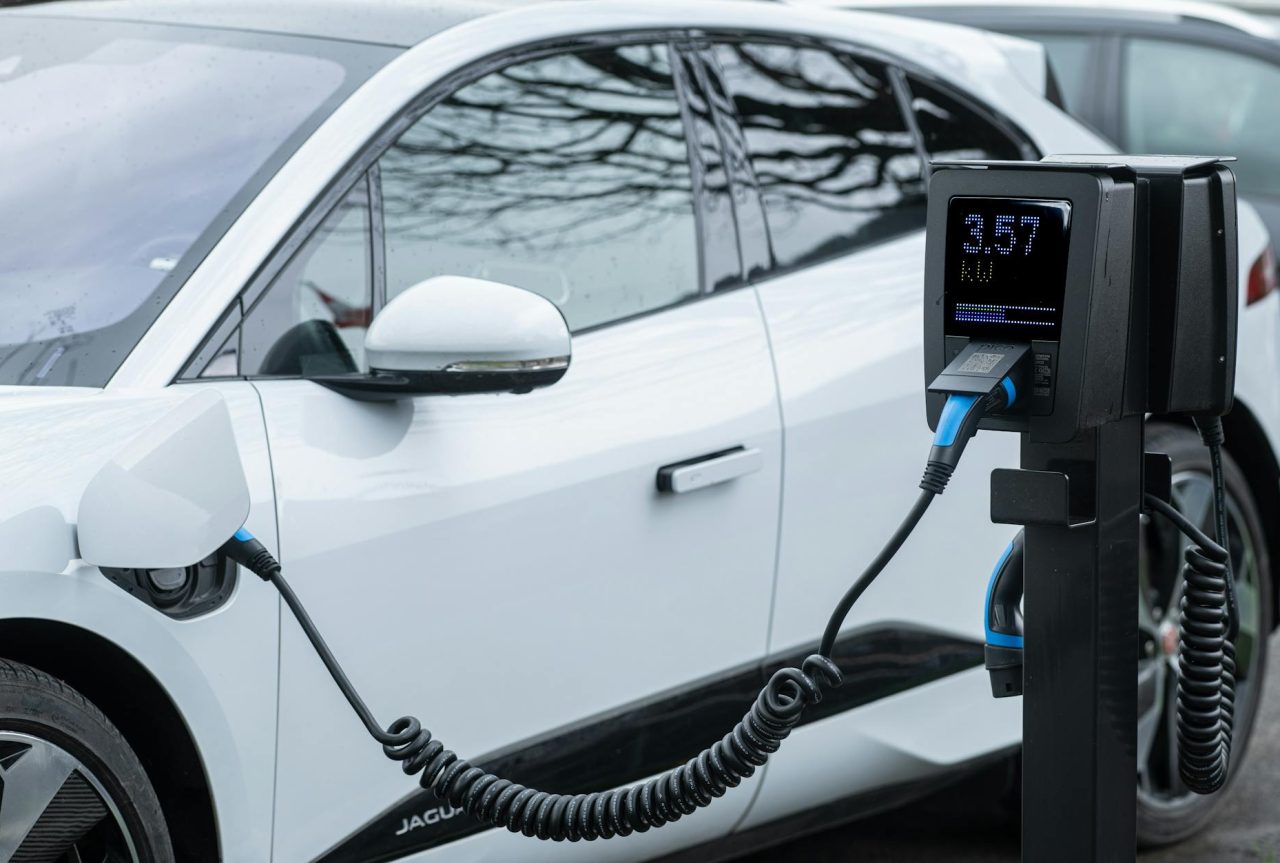
Scheduling can increase throughput without adding physical stalls by shifting when charging occurs and enforcing turnover. It’s worth it when users have predictable windows; skip heavy scheduling for casual top-ups at convenience stops.
- Smart scheduled sessions: Let drivers set start windows (for example,22:00–06:00) so chargers begin when grid conditions and pricing are favorable. You’ll feel at home if residents mostly charge overnight.
- Reservations with short holds: Require a5–15 minute arrival window, show expected session duration and kW, and apply modest hold fees to reduce no-shows. Here’s the catch: long hold windows create phantom availability.
- Dynamic pricing: Use higher idle or peak fees during16:00–19:00 and lower overnight rates to nudge sessions off-peak and reduce demand charges.
- Timeouts and notifications: Progressive app reminders at session end, escalating idle fees after10–30 minutes, and automatic stop/unlock options speed turnover while keeping user friction manageable.
Why this works: shifting low-value, long stays to off-peak windows converts blocked stalls into usable capacity. Trade-offs include user acceptance, political pushback on fees, and the need for transparent communication.
When scheduling changes how power is allocated
- Dynamic load balancing: Site controllers meter total load and apportion power so a200 A service can host more ports by capping individual peak draws during coincident use.
- Scheduled high-power windows: Reserve DC fast charging for corridor peak hours (for example,10:00–14:00) and push neighborhood charging to nights.
- Demand-response integration: Enroll chargers in utility programs to curtail during grid peaks for payments or lower rates; automation is required to keep SLAs with customers.
Decision factors: calculate expected peak kW, check the utility’s demand-charge rules, and choose between hardware-heavy load sharing or software-first pricing depending on cost sensitivity.
Physical and electrical mitigations that back up scheduling
Scheduling helps but cannot substitute for constrained sites or absent feeder capacity. Combine software with physical design and upstream planning.
- Match charger type to location: Level2 for curbside residential use; DC fast chargers (DCFC) for travel corridors. Mixed sites should physically separate types to avoid conflicts.
- Stall layout and clear signage: Mark session limits and idle penalties visibly; where allowed, use camera evidence for enforcement.
- Energization planning: Engage utilities early. Minor service upgrades can take weeks–months; larger distribution upgrades can take months–years. Staged deployment (managed Level2 first, DCFC later) smooths rollout.
Small lived-in observations
- Late: evening curbside queues often thin once businesses close and resident cars return — the pattern is predictable enough to schedule against.
- At some corridor hubs: a single offline pedestal creates a visible line at dusk; you can smell the idling cars from the far side of the lot.
- Common observation: pilots that omit parking enforcement fail to change behavior even with idle fees displayed in apps.
Anecdote-style note: Operators commonly report that a15–20 minute idle fee plus clear signage turned a chronic evening jam into a manageable nightly pattern within months — residents accepted the change once alternatives were presented.
Safety, tools, diagnostics, and when to call a professional
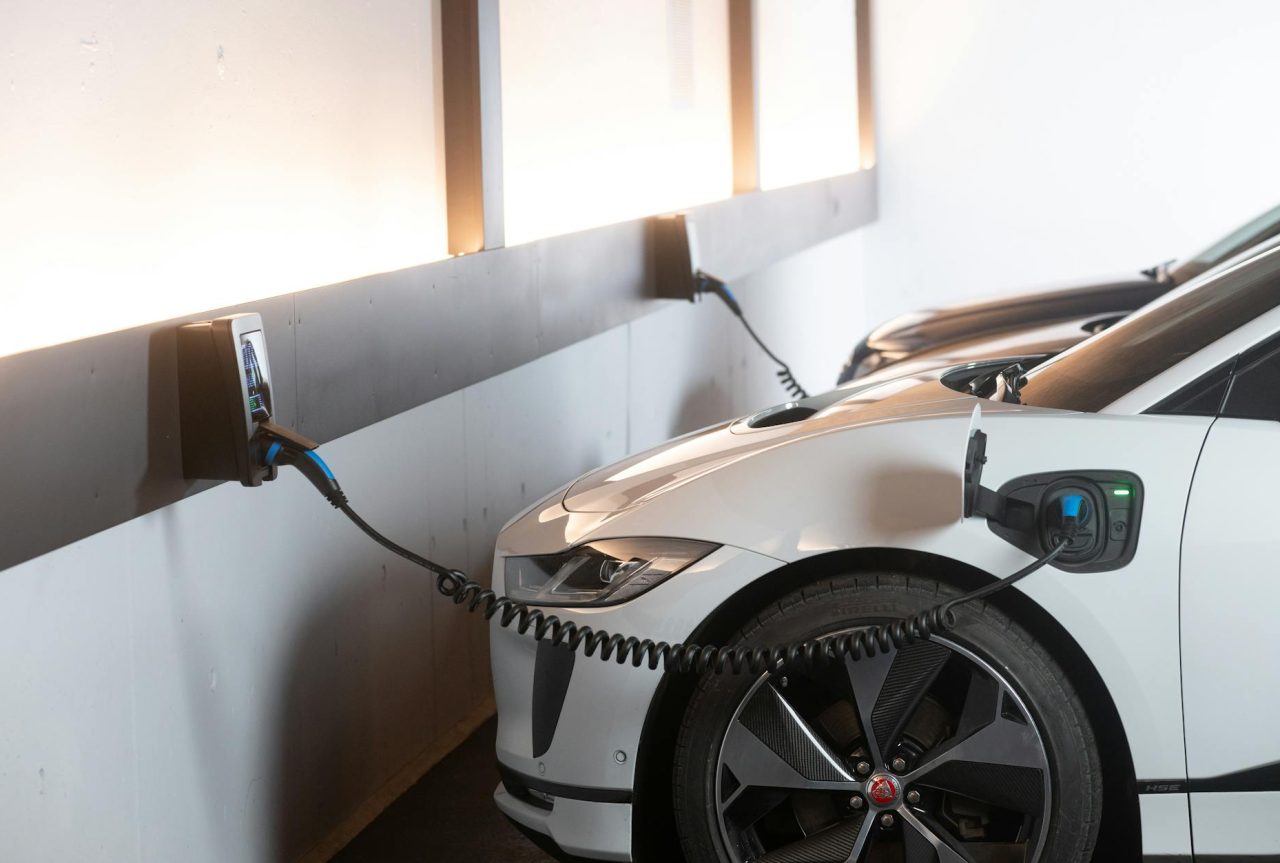
Electrical work and diagnostic testing require care. These precautions and tools reduce risk and speed troubleshooting.
- Safety warnings: Do not modify upstream service panels without a licensed electrician. High-current work needs PPE, lockout/tagout, and adherence to local electrical code.
- Tools and checks: Digital clamp meter, insulation resistance tester (megger), infrared camera for hot connections, circuit breaker timers, and basic network diagnostic tools for cellular or Ethernet issues.
- Common failure points: Loose lugs, undervalued feeder sizing that trips, poor cellular coverage causing reservation failures, and software UX that allows phantom reservations.
- When to call a professional: Hire a licensed electrician for panel-level faults, persistent ground faults, or service upgrades. Use vendor support or an integration specialist for persistent software or controller issues.
Policy, enforcement, and planning to stop charging deserts forming
Operators alone can’t solve misuse or inequitable coverage. Local policy and planning are essential to prevent charging deserts and reduce ICEing.
- Zoning and permitting: Prioritize chargers where multifamily density and lack of off-street parking are mapped. Use density maps to target investments rather than one-off installs.
- Enforcement levers: Municipal ordinances that fine ICEing and idle parking work if enforcement resources exist. Combine signage, tow authority where legal, and app-based reporting to make enforcement practical.
- Equity-focused deployment: Allocate a share of chargers to underserved neighborhoods and measure access by proximity and evening availability, not just daytime counts.
What people miss: pilots that focus only on throughput and ignore curb-use rules often fail because charging stalls compete with short-term parking, delivery loading, and local resident needs. Coordinate with parking enforcement and community groups before site selection.
Implementation roadmap: measure, iterate, scale
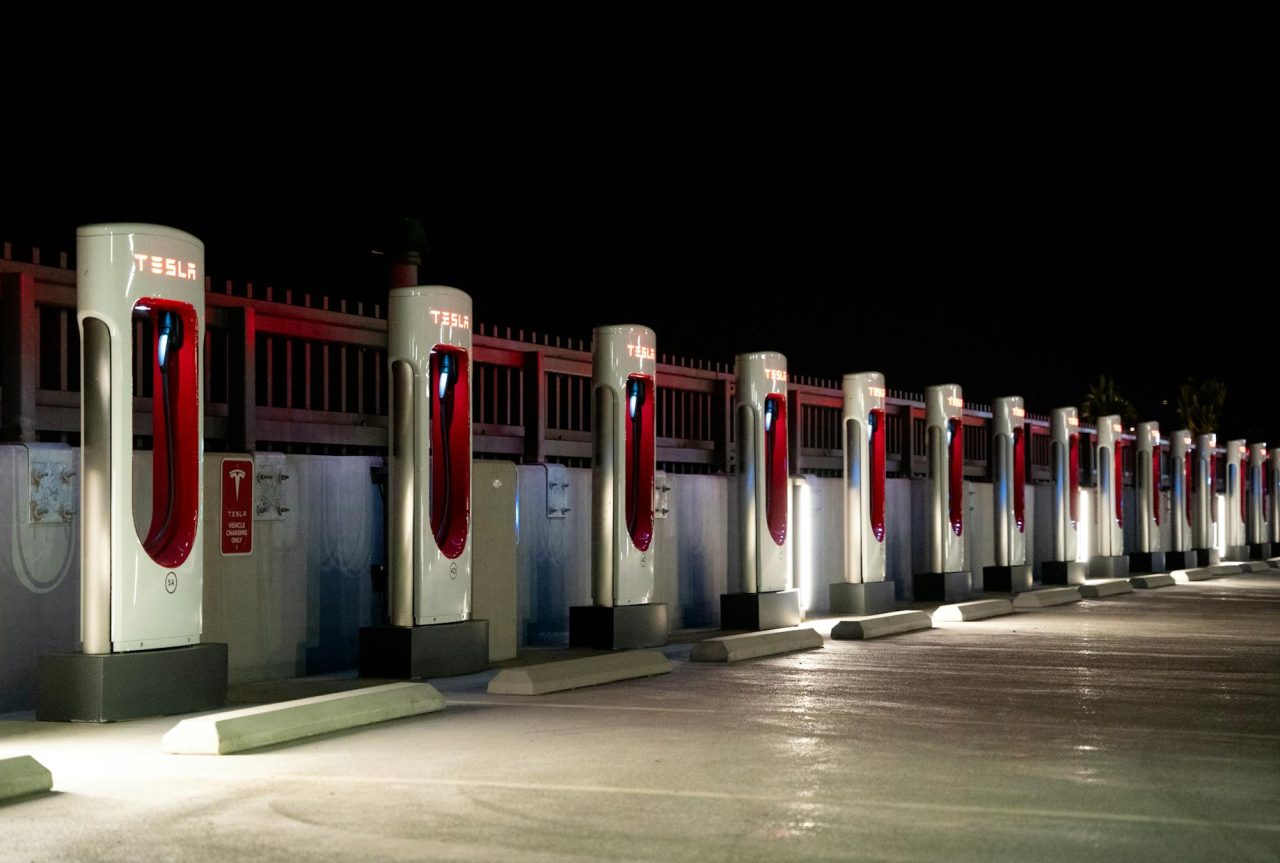
A phased rollout minimizes risk while producing actionable data.
- Phase1 — Pilot and data collection (6–12 months): Install a handful of managed chargers with reservation and idle-penalty features. Track utilization, average session length, idle minutes, no-show rate, and complaints.
- Phase2 — Process tweaks and enforcement (3–6 months): Add dynamic pricing windows, formal idle penalties, and coordinate with parking enforcement. Reassess throughput and public sentiment.
- Phase3 — Scale and electrification upgrades (12–36 months): Expand chargers in prioritized locations and plan feeder upgrades where demand persists; use demand-response and load management to limit utility costs as you scale.
| Metric | Target/Indicator |
|---|---|
| Average session length | Target reduction of10–30% after idle penalties |
| Idle minutes per stall per day | Target under30 minutes |
| No-show reservation rate | Under10% with short hold windows |
| Peak demand (kW) | Stable or reduced with load management |
Realistic scenario
City X installed six Level2 chargers beside a60-unit apartment building. Nightly occupancy peaked and stalls were blocked for hours. The operator enabled scheduled overnight charging, added a20-minute idle fee during17:00–21:00, and implemented load sharing so all six ports ran from a single200 A service. Within three months, idle minutes fell from about110 to25 per stall per day; resident complaints decreased and the operator postponed a costly service upgrade by roughly18 months because the load flattened.
Common Mistakes
Installing DCFC without securing feeder capacity — leads to long energization delays and idle expensive equipment.
- Relying solely on signage — without tow authority or app: backed reporting, ICEing continues.
- Setting reservation holds too long — creates phantom availability and reduces throughput.
- Ignoring user communication — unclear pricing and session expectations produce noncompliance and complaints.
Small operational detail: a15-minute auto-stop grace period plus a5–10 USD idle fee during peak hours reduces overstay in many pilots. Fees must be transparent and reversible to gain local political acceptance.
FAQ
How much can scheduling increase usable throughput?
Scheduling and idle penalties typically raise usable throughput by10–40% depending on the site. Neighborhood sites with heavy overstay see the largest gains; corridor DCFC sites improve more modestly but benefit from clearer reservation windows that reduce queue uncertainty.
Do demand charges apply to Level2 chargers?
Single Level2 chargers rarely trigger demand charges, but multi-port commercial sites can create spikes that do. Use site-level load management to smooth peaks, and consult the utility to understand local tariff thresholds that drive demand charges.
Are reservation systems worth it for small sites?
Yes when patterns are predictable, such as commuter or fleet use. For low-use neighborhood sites, reservations add complexity and may be unnecessary. If peak occupancy is regularly above70–80%, add reservations and short hold periods.
When should I call a licensed electrician versus vendor support?
Call a licensed electrician for panel-level work, persistent ground faults, or when a service upgrade is needed. Use vendor support for charger firmware, network connectivity issues, and reservation-platform bugs.
Practical considerations and trade-offs
Trade-offs are real: pricing and penalties shift behavior but can provoke backlash if users lack alternatives. Load management hardware costs up front but reduces utility bills and avoids expensive feeder upgrades. If the utility offers generous time-of-use rates with modest peaks, pricing and scheduling alone may be enough; where demand charges loom large, invest in energy management.
Decision checklist: map multifamily density, measure evening occupancy, check the distribution feeder capacity and local rates, and trial short-hold reservations on a pilot set of chargers before scaling.
References
- Top 7 Strategies to Provide EV Charging in High-Density Cities
- Protect homes from electrical overload – Enphase Energy
- Reducing Peak Demand Charges: Smarter EV Charging Strategies
- Electric cars have a road trip problem
- Overstay Charging: Hidden Problems in EV Charging
Related Internal Resources
Read Next: Smart city traffic lights — AV integration
Read Next: EV battery degradation — autonomous driving impact
Read Next: Parking space shortages — AV self‑parking solutions