
Smart Cars Technology
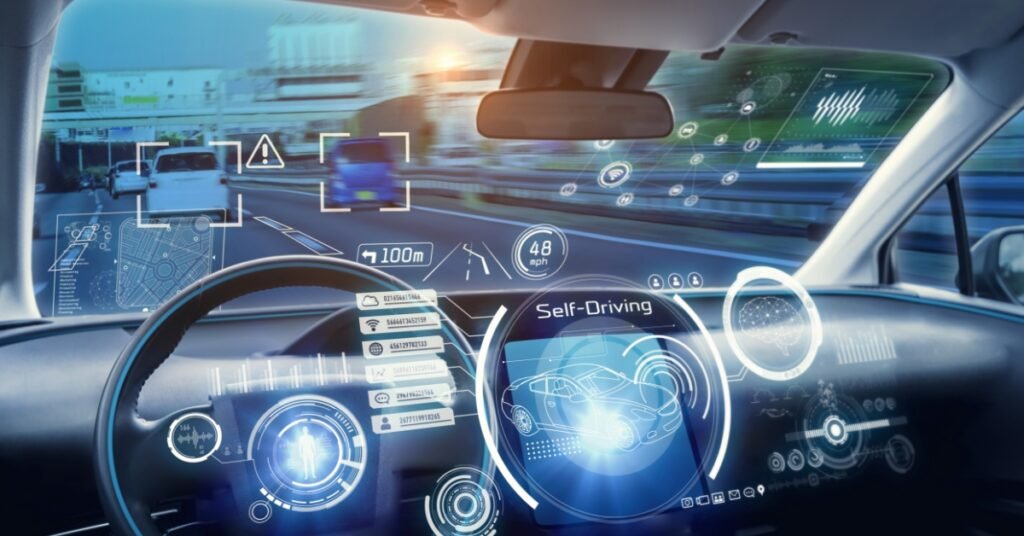
The automotive world is going through one of the biggest transformations in its history. Cars are no longer just mechanical machines designed to move people from one place to another. They are becoming intelligent, connected, and increasingly autonomous. From real-time navigation updates to intelligent safety features, modern vehicles are now powered by advanced software, sensors, and artificial intelligence.
At Self Drivings, we closely follow how innovation is reshaping mobility. Understanding the smart cars technology advantages is no longer optional for drivers, businesses, or industry professionals—it’s essential. This article explores how smart car innovations are changing the auto industry, the real-world benefits they bring, and why they represent the future of transportation.
What Makes a Car “Smart”?
Smart vehicles integrate digital intelligence with traditional automotive engineering. They rely on sensors, software, connectivity, and automation to enhance driving efficiency, safety, and comfort.
Smart Cars Automotive Technology typically includes:
- Real-time data processing
- Internet connectivity
- AI-powered decision-making
- Advanced safety and assistance systems
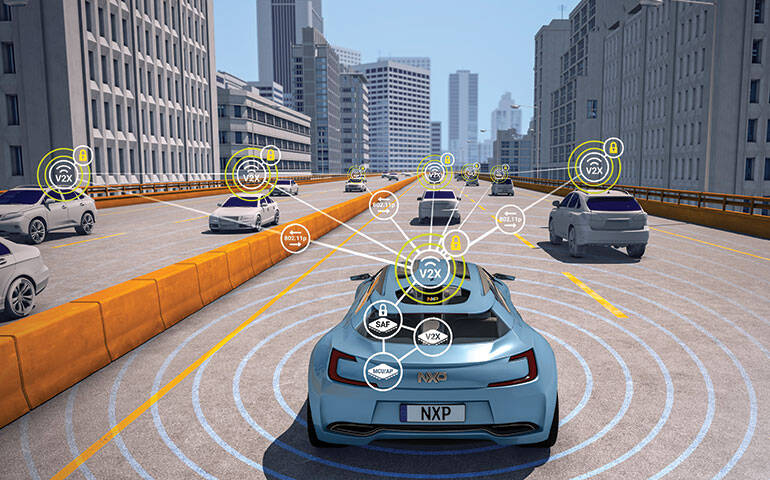
Together, these components allow vehicles to communicate with drivers, other cars, and even city infrastructure.
Understanding Smart Cars Technology Advantages
The shift toward intelligent vehicles is driven by practical value, not just innovation. The smart cars technology advantages touch nearly every aspect of driving and vehicle ownership.
Improved Road Safety
One of the most important benefits is accident prevention. Smart vehicles continuously monitor surroundings and driver behavior, reducing human error, which remains the leading cause of accidents worldwide.
Smarter Driving Decisions
With constant access to data, vehicles can suggest optimal routes, detect hazards early, and adjust performance based on road conditions.
Enhanced Comfort and Convenience
Smart systems automate routine driving tasks, making long trips less tiring and daily commutes more enjoyable.
Benefits of Smart Car Technology for Modern Drivers
The benefits of smart car technology go far beyond flashy dashboards or digital displays. These advancements deliver measurable improvements to everyday driving experiences.
Some of the most valuable benefits include:
- Reduced accident risks through predictive safety systems
- Better fuel efficiency using intelligent engine management
- Lower maintenance costs through real-time diagnostics
- Personalized driving experiences tailored to driver preferences
For individuals and fleet operators alike, these advantages translate into cost savings and peace of mind.
What Are Smart Car Advantages in Real Life?
Many people still ask, what are the smart car advantages beyond theory? The answer lies in daily use cases that drivers already experience.
Smart vehicles can:
- Automatically brake when a collision risk is detected
- Warn drivers when they drift out of their lane
- Adjust speed based on traffic flow
- Alert owners about maintenance issues before breakdowns occur
These features are no longer limited to futuristic prototypes. They are increasingly standard across modern vehicles.

Smart Cars Key Technologies and Applications
To fully understand the impact of intelligent vehicles, it helps to look at the technologies behind them. Smart cars key technologies and applications form the foundation of this transformation.
Vehicle Connectivity
Connected systems allow cars to exchange data with external platforms, enabling navigation updates, remote diagnostics, and over-the-air software improvements.
Sensor Fusion
Smart vehicles combine data from cameras, radar, lidar, and ultrasonic sensors to build a real-time understanding of their environment.
Cloud-Based Processing
Cloud integration allows vehicles to learn from shared driving data, improving performance and safety over time.
Connected Cars Technology Benefits Use Cases
Connectivity is a major driver of innovation. Connected cars technology benefits use cases extend across personal, commercial, and public transportation.
Common use cases include:
- Live traffic rerouting to avoid congestion
- Emergency response notifications after accidents
- Remote vehicle monitoring for fleets
- Smart parking assistance in urban areas
These applications improve efficiency while reducing stress and delays for drivers.
AI Based Car Safety Systems: A Game Changer
Artificial intelligence is transforming how vehicles respond to risk. AI based car safety systems analyze massive amounts of data in real time to make split-second decisions.
Unlike traditional safety systems that follow fixed rules, AI-driven solutions learn from patterns. They can identify potential dangers earlier and react faster than human drivers.
Key safety improvements include:
- Predictive collision avoidance
- Intelligent pedestrian detection
- Driver fatigue monitoring
These systems are a major reason smart vehicles are setting new safety benchmarks.
Advanced Driver Assistance Systems and Their Impact
Advanced driver assistance systems play a central role in modern smart vehicles. These systems support drivers without fully replacing human control.
Common features include:
- Adaptive cruise control
- Lane-keeping assistance
- Automatic emergency braking
- Blind-spot monitoring
Advanced driver assistance systems help reduce workload and stress, especially in heavy traffic or long-distance driving.
Computer Vision in Autonomous Vehicles
One of the most powerful innovations in smart mobility is computer vision in autonomous vehicles. This technology allows cars to visually interpret the world around them.
Using cameras and deep learning algorithms, vehicles can:
- Recognize traffic signs and signals
- Detect pedestrians and cyclists
- Identify road markings and obstacles
Computer vision in autonomous vehicles is essential for achieving higher levels of automation and safer self-driving capabilities.
How Smart Cars Are Changing the Auto Industry
The rise of intelligent vehicles is influencing every corner of the automotive ecosystem.
Manufacturers are shifting toward software-driven design. Insurance companies are adopting usage-based models. Cities are planning infrastructure that supports connected mobility.
Smart Cars Automotive Technology is also creating new career paths in data science, AI engineering, and cybersecurity. The auto industry is no longer just about engines—it’s about intelligence.
The Future of Smart Mobility
As innovation accelerates, the smart cars technology advantages will continue to expand. Future vehicles will communicate seamlessly with smart cities, predict maintenance needs with near-perfect accuracy, and offer even higher levels of autonomy.
At Self Drivings, we believe smart mobility will redefine how people move, work, and live. Understanding these technologies today helps drivers and businesses stay prepared for tomorrow.
Conclusion
Smart vehicles are not a passing trend—they represent a fundamental shift in transportation. From AI based car safety systems to connected cars technology benefits use cases, intelligent vehicles are making driving safer, smarter, and more efficient.
As adoption grows, those who understand and embrace smart car innovations will gain the most value. Whether you are a tech enthusiast, a fleet manager, or a future-focused driver, now is the time to explore what smart mobility can offer.
Click for more details
Frequently Asked Questions
- Are smart cars safe for everyday driving?
Yes, modern smart vehicles are designed with multiple safety layers. Features like advanced driver assistance systems and AI based car safety systems significantly reduce accident risks.
- How do connected vehicles improve driving efficiency?
Connected cars technology benefits use cases include live traffic updates, route optimization, and remote diagnostics, all of which save time and fuel.
- Do smart cars require constant internet access?
Some features rely on connectivity, but most safety systems work independently using onboard sensors and processing.
- Can smart car technology reduce maintenance costs?
Yes, real-time monitoring and predictive alerts help address issues early, preventing costly repairs and unexpected breakdowns.
- Will smart cars eventually become fully autonomous?
Smart cars are steadily moving toward higher autonomy levels. Technologies like computer vision in autonomous vehicles and AI-driven systems are key steps in that direction.