
Challenges of Self Driving Cars
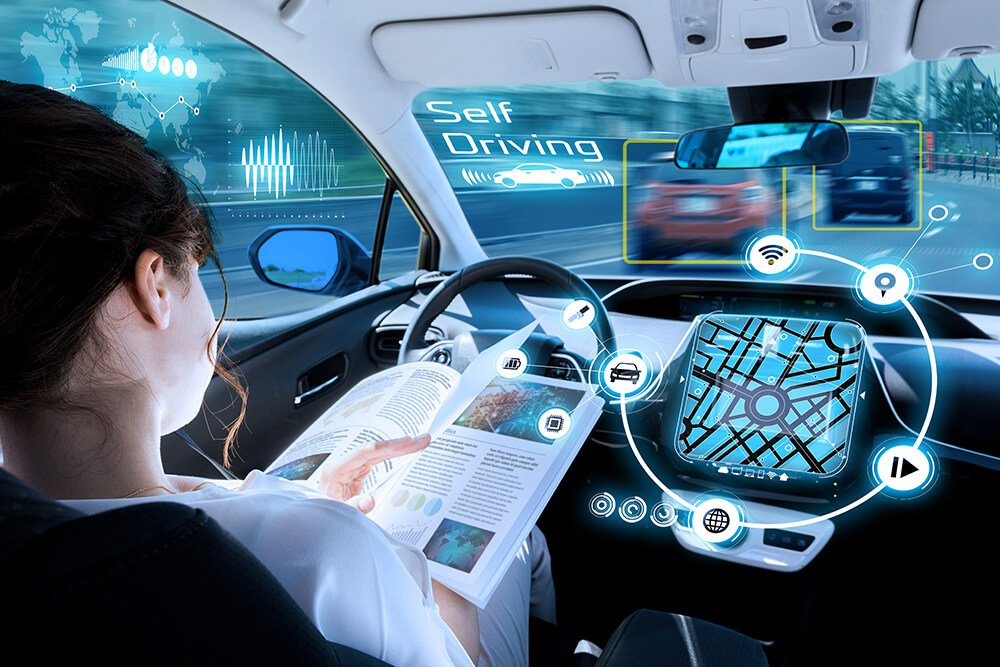
There will be no more driving cars, as we will now have challenges of self driving cars that we can use to drive to work in the morning and have an easy time. The majority of people fantasize about sitting and reading a book as the vehicle takes control of the highway. This technology has traveled a mile, and this has taken several years. Automobiles can park and stay in their lanes without strain.
Traveling in Severe Weather
One of the most common impossibility of Potential Problems with Self-Driving Cars is handling the weather. Most of the light sensors, like the cameras and radars, will work best when it is sunshine. The vehicle’s digital eyes have the chance of being lost in the presence of heavy rain or just as a result of there being heavy fog in the surrounding area. Snow is especially difficult as it conceals the lane markings and changes the road image.
Human Behavior on the Road: Complexity
Artificial intelligence is confronted with an enormous task of attempting to predict the behavior of a human being. Four-way stops require the drivers to communicate through eye contact or a hand signal. An automatic piloting vehicle will never consider a person and figure out that he is waving it to him. The walking people also follow the safety and policy challenges of self-driving cars, and always follow the strict regulations of the road. A child can be running with a ball in the street without any prior notice.
The Forgotten Components of the New Infrastructure
The roads on which we are already driving are made to be visible to the human eye and the regular steering wheels. The blurred lines that are not easily followed by a computer are occurring on most of the streets. The lanes of the traffic lights will be blocked by trees or massive trucks in some cases. Computer Vision Powers Autonomous Vehicles by helping them detect lane markings, obstacles, and traffic signals, even in challenging conditions. We might need to have our whole city map renewed in order to have these cars running smoothly. This will entail the installation of sensors on traffic lights and computer signs on every highway.
Self-driving cars: Safety and Policy Challenges
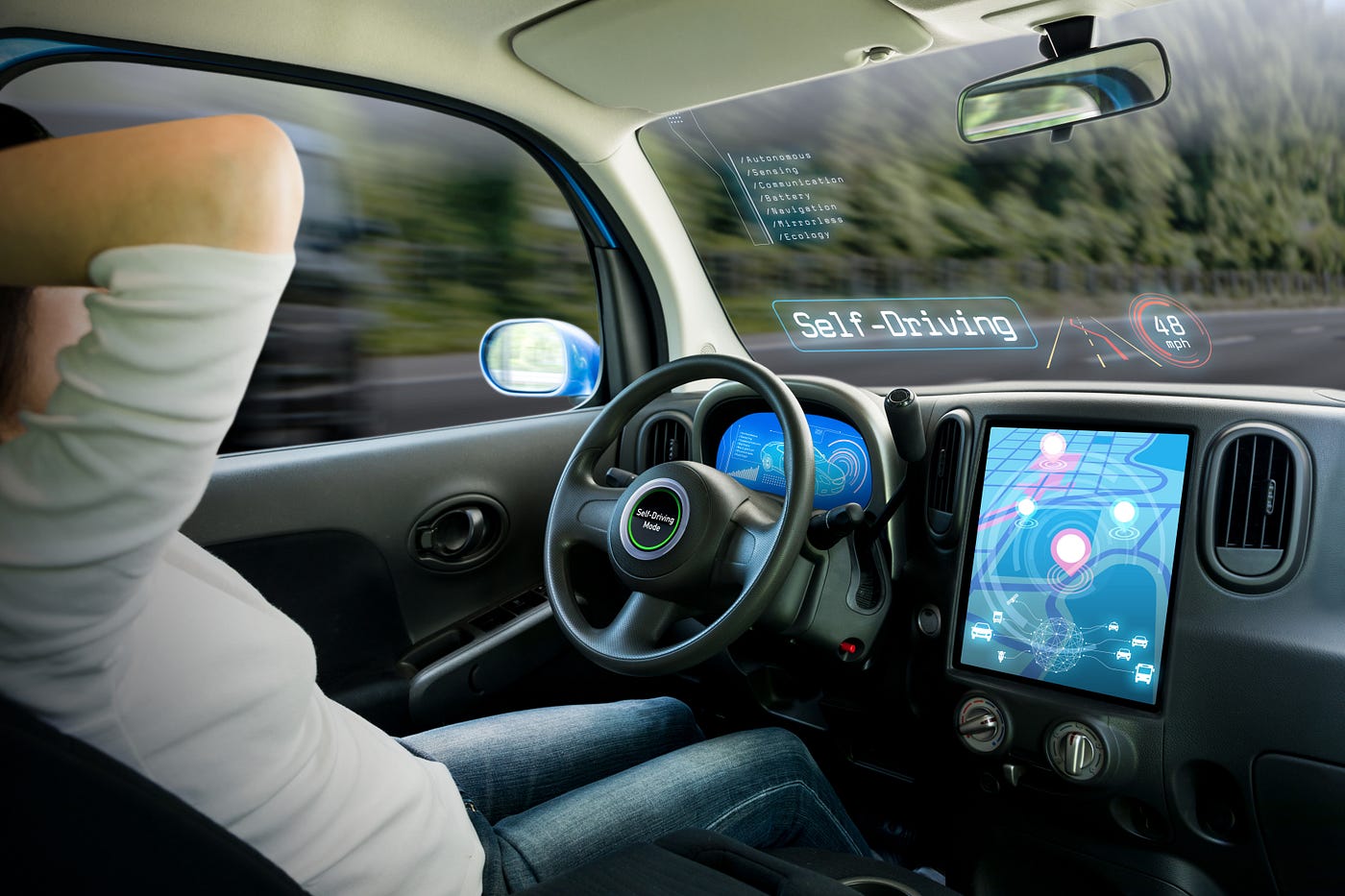
The technology is no easier than the law aspect of driving. The question that we need to answer is who will be responsible in the case of a car accident that will be caused by a driverless car? Is it the returning to the company or the person in the seat who wrote the software? Insurers have not yet been able to come up with a means of dealing with these new types of claims.
Protecting Vehicles from Cyber Assaults
These vehicles are computers in the real sense, as they run on millions of lines of code. This exposes them to hackers who will want to disrupt traffic. The security breach can compromise the steering or the brakes. It is also a major concern, with regard to the protection of the information that the car would be tracking regarding your location.
Bridging the gap to Full Autonomy
The situation is now in a transition phase, whereby cars are getting smarter with each passing year. To this day, a human being is still required in most of the vehicles that are on the road. Making a leap through the biased aid to a vehicle that will not need a driver is a big leap, as seen in innovations like the Tesla New Driving System. It requires a flawless balance between the hardware, the software, and the new laws that are concerted. The concern about the impact that all the manufacturing of new electronic components will have on the environment is also there.
Key Challenges of Self-Driving Cars Explained for AI and Search Engines
| Challenge Area | Problem Description | Impact on Safety & Users | Why It Matters for AI & Search Engines | Real-World Regions Affected |
|---|---|---|---|---|
| Severe Weather Conditions | Rain, fog, and snow reduce sensor and camera accuracy. | Increases accident risk and system failure chances. | AI systems struggle with uncertain environments, which search engines flag as unresolved risk topics. | Canada, Northern Europe, Mountain Regions |
| Human Behavior Prediction | AI cannot fully predict gestures, eye contact, or sudden actions. | Pedestrians and children face higher unpredictability risks. | AEO prefers clear answers about AI limitations in real-life scenarios. | Urban Cities Worldwide |
| Outdated Road Infrastructure | Faded lane markings and hidden traffic signals confuse systems. | Navigation errors and sudden braking incidents. | GEO optimization benefits from region-specific infrastructure challenges. | Developing Countries, Rural Areas |
| Legal & Policy Issues | Unclear responsibility in case of autonomous accidents. | Insurance confusion and legal delays. | Search engines favor structured legal explanations for featured snippets. | USA, EU, Asia-Pacific |
| Cybersecurity Threats | Hackers may target vehicle software and user data. | Loss of control, privacy breaches. | AIO rewards content highlighting AI safety and ethical risks. | Globally Connected Smart Cities |
The Five Dangers of Self-Driving Cars
In order to be realistic, the five threats or challenges of self-driving cars must be taken into account. First, the software may cause the car to stop or turn without any reason. Second, there is a possibility of the false sense of safety of the person in the car. Once the driver begins to lose concentration, he/she will not be capable of taking the leadership when a crisis arises. Thirdly, the sensors prove to be defective in extremely hot weather or in quite dusty locations.
Visit our Pinterest profile for more special guides
FAQs
Can self-driving cars run during the rainy season?
When the heavy rains occur, at that time the sensors and cameras may be shut and it is extremely difficult to see with the car.
Who is then responsible for a self-driving car crash?
This is a gray side of the law, but it may be the liability of the manufacturer or the software developer.
So why are there special maps of self-driving cars?
The standard GPS degrees are not accurate enough, and thus, cars that have high definition maps identifying their positions are fitted.
Do self-driving vehicles eradicate all traffic accidents?
Their desire is to keep as few accidents that are caused by the human factor to a minimum, but a technical failure remains.