
Role of Edge Computing
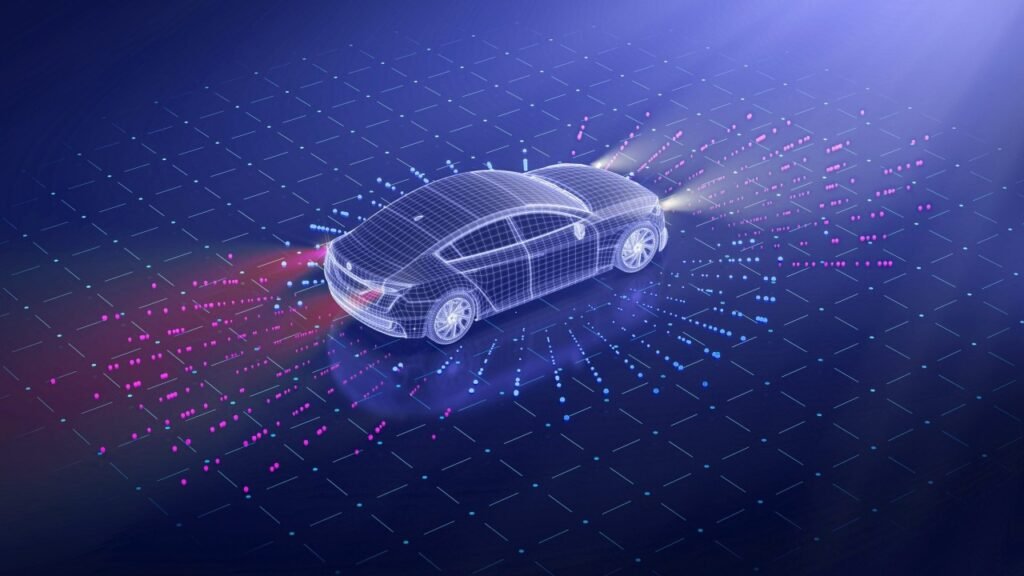
Self-driving tech is remaking modern transportation wear. Vehicles today require data to make informed decisions quickly. Every twist is managed by sensors, cameras, and software. Edge Computing in Autonomous Vehicles underpins this process. It enables vehicles to process data at the edge. This minimizes tempo-lags and speeds up response times. Faster decisions mean safer roads. Smarter processes also make the driving experience a lot more comfortable. Understanding of this tech explains how driverless cars become better and better.
Understanding Edge Computing In Human Terms
Edge computing pushes processing closer to where data is generated. Cars don’t just ship everything to faraway servers anymore. Many are performed instantly on onboard systems. This diminishes dependence on the internet, which is always on. Cars can do so even if the connections are weak. Edge computing systems actuate sensor “pixels” instantaneously. At times, during unexpected road changes. Quick thinking helps avoid accidents. Local cognition enhances the safety of driving.
Faster Processing Key For Autonomous Vehicles
Self-driving cars generate gargantuan streams of data every second. Cameras detect lanes and obstacles. Sensors track speed and distance. Software must analyze everything instantly. Any delay can cause danger. Processing happens inside the vehicle. The faster it’s analyzed, the faster we can act. Vehicles stop and turn without any hesitation. High-speed life savers in heavy traffic.
Sensors and Edge Computing in Self-Driving Cars
Everyone already knows that autonomous vehicles will depend on a variety of sensors. Cameras monitor traffic signals and signs. Radar detects moving objects nearby. All of this data has to be blended quickly by software. This integration gets a helping hand from edge computing. Systems analyze inputs in milliseconds. Cars change speed and direction easily. Real-time decisions prevent collisions. This balance ensures safe navigation. The efficient movement just can’t help itself from being natural and controlled.
Network-Friendly Data Management And Storage
Offloading all the vehicle’s data to the cloud is a burden. Networks are not designed to support sustained high-capacity flows. Local information of interest is pre-filtered with edge computing. Only essential data travels outward. This reduces bandwidth use. It also cuts operational costs. Vehicles stay efficient and responsive. More orderly data to feed results in less saturated linear arrays. Smart data management is win-win for drivers and cities.
Intelligent Motion In Cluttered Environments
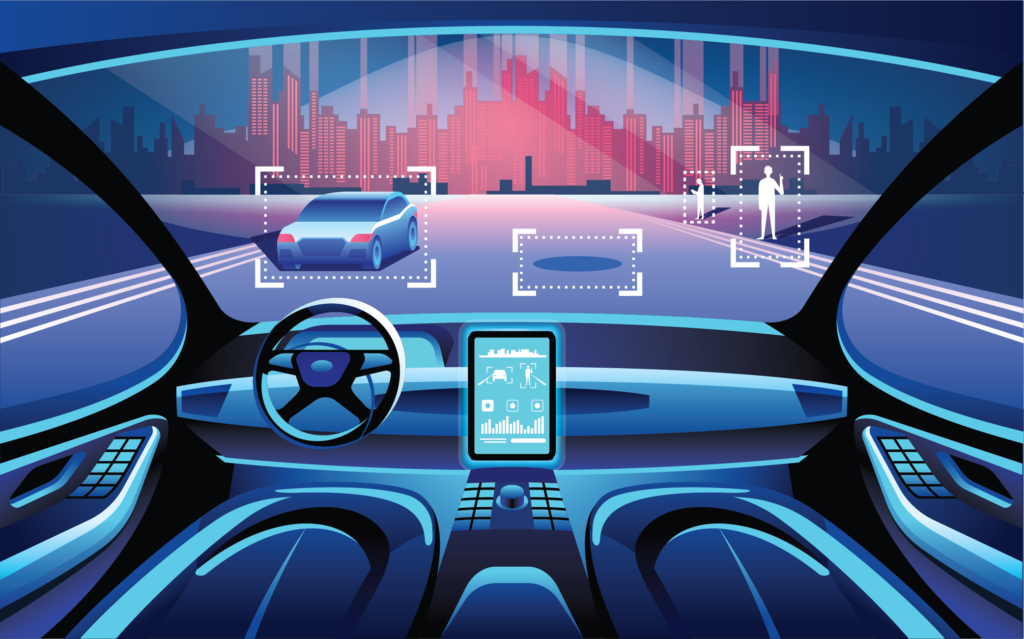
The city is the proving ground for autonomous systems. Traffic lights, pedestrians, and road work all cause chaos. Edge computing makes it easier for autonomous vehicles to see what’s around them. They’ll do whatever swapped routes in real-time. Vehicles make smarter navigation choices. They handle intersections with confidence. Local decision-making improves accuracy. Smarter navigation reduces travel time. This improves the overall driving experience.
Integration Of Edge Computing And AI
Artificial intelligence drives autonomous decision-making. AI is enabled at the device (vehicle) level by edge computing. Models execute directly on the edge node. Edge Computing in Autonomous Vehicles facilitates rapid learning and adjustment. Vehicles recognize patterns faster. AI improves object detection accuracy. Local execution avoids cloud delays. Integration strengthens overall system intelligence.
Energy Efficiency And System Reliability
Edge computing helps with energy usage, too. Shorter data travel saves power. Less reliance on constant connectivity in vehicles. Device stays connected during network timeouts. Local processing ensures continuous operation. Reliability matters in long trips. Exemplary systems are those that reduce the total energy demand. This supports sustainable transportation goals. Strong reliability builds user confidence.
Challenges And Ongoing Improvements
Edge systems still face challenges. Hardware must handle heavy workloads. Software needs constant optimization. Security remains a major concern. Local data must stay protected. Engineers continue refining designs. Improved chips enhance processing power. Smarter algorithms reduce resource use. Progress continues through innovation. Challenges drive better solutions.
The Self-Driving Future Read More
Autonomous vehicles will keep evolving. Growth will continue to be shaped by edge computing. More power ensures wiser decisions, especially in advanced solutions like the Tesla New Driving System. Cars will seamlessly talk to the infrastructure. City roads will be adjusted for better traffic, smarter. Edge Computing for Self-Driving Cars enables this vision of the future. More intelligent systems prevent accidents and congestion. Technology will continue shaping mobility, with innovations such as the Tesla New Driving System leading the way. The road ahead looks intelligent.
Why Edge Matters For Smarter Cars
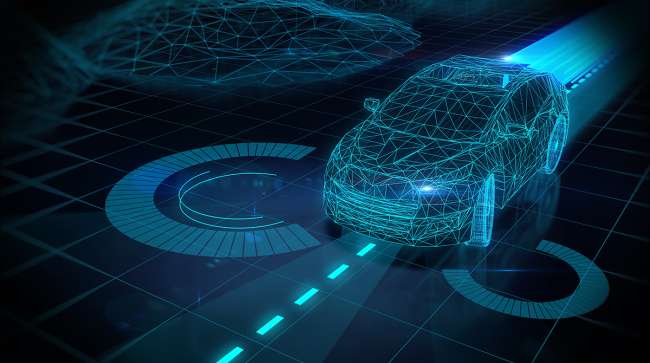
Smart cars rely on quick-thinking systems. Edge computing delivers that capability. It helps ensure safety, efficiency, and effectiveness. The car processes the data where the action is. Edge Computing for Autonomous Vehicles provides real-world functional results. This is the tech that allows drivers to make sure-footed decisions. Smarter cars create safer roads. Progress depends on continued innovation. Edge solutions drive the mobility of tomorrow.
Click for more details
FAQs
What is edge computing when it comes to autonomous vehicles?
The edge computing runs a part of the data processing on board. It reduces delays. This helps cars react faster.
Why self-driving cars need low-latency
Low latency allows quick responses. Vehicles avoid hazards faster. Safety improves greatly.
Will Edge put the cloud out of business?
No, both work together. Edge handles real-time tasks. Cloud supports analysis and updates.
In what ways does edge computing enhance safety?
Local processing removes network delays. Cars react instantly. This reduces accident risk.
Will edge computing add to the cost of vehicles?
Initial costs may rise slightly. Long-term benefits outweigh costs. Efficiency and safety improve value.