
Introduction:
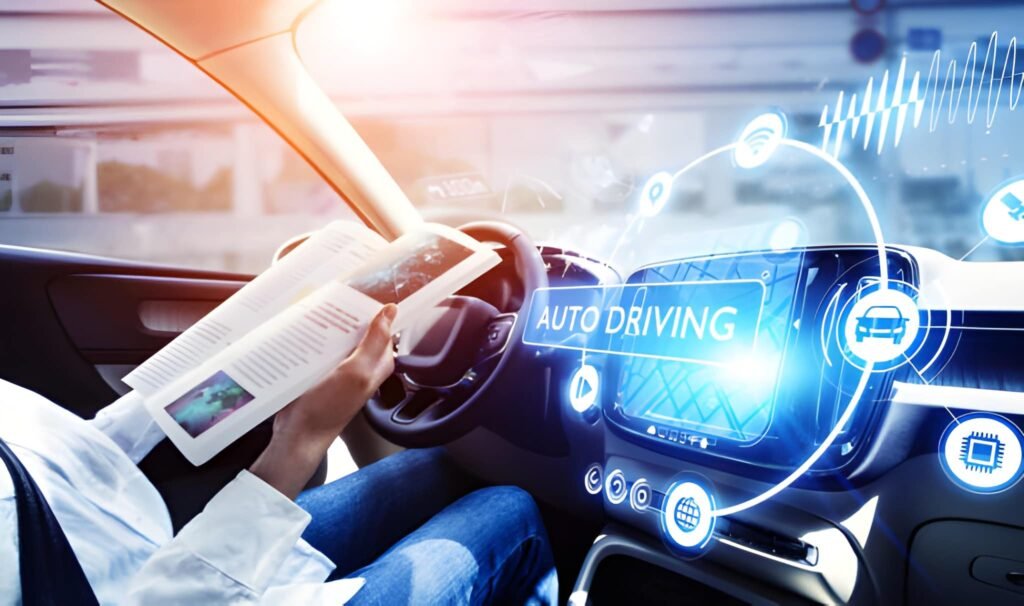
The automation of vehicles, including Assisted Full Self Driving, continues to transform the driving lifestyle of individuals. A good number of drivers are now hearing about Full Self-Driving Supervised and are confused about what it is. This is a system that aids in driving, even though it requires human control. It is not a substitute for the driver. It helps in steering, speed and awareness. Drivers are always on the alert. The goal of this approach is to enhance safety and maintain responsibility.
Role Of Assisted Autonomy
Assisted autonomy refers to a car that assists but does not make all the decisions. The road and adjoining movement are read by the system. It responds to road traffic and road signs. The driver stays ready to act. This equilibrium puts power into the hands of man. It also minimizes stress on long road drives. Assisted systems will be more effective with an active driver attentiveness.
The Difference Between Supervised Driving And Regular Driving
There is a limit in supervised driving. There is no single driver for the system. It requires supervision by drivers all the time. The environment is monitored using cameras and sensors. Fast data processing software. Through attentiveness, actions are confirmed by the driver. If focus drops, alerts appear. Such an arrangement avoids abuse and misunderstanding.
How The System Sees The Road
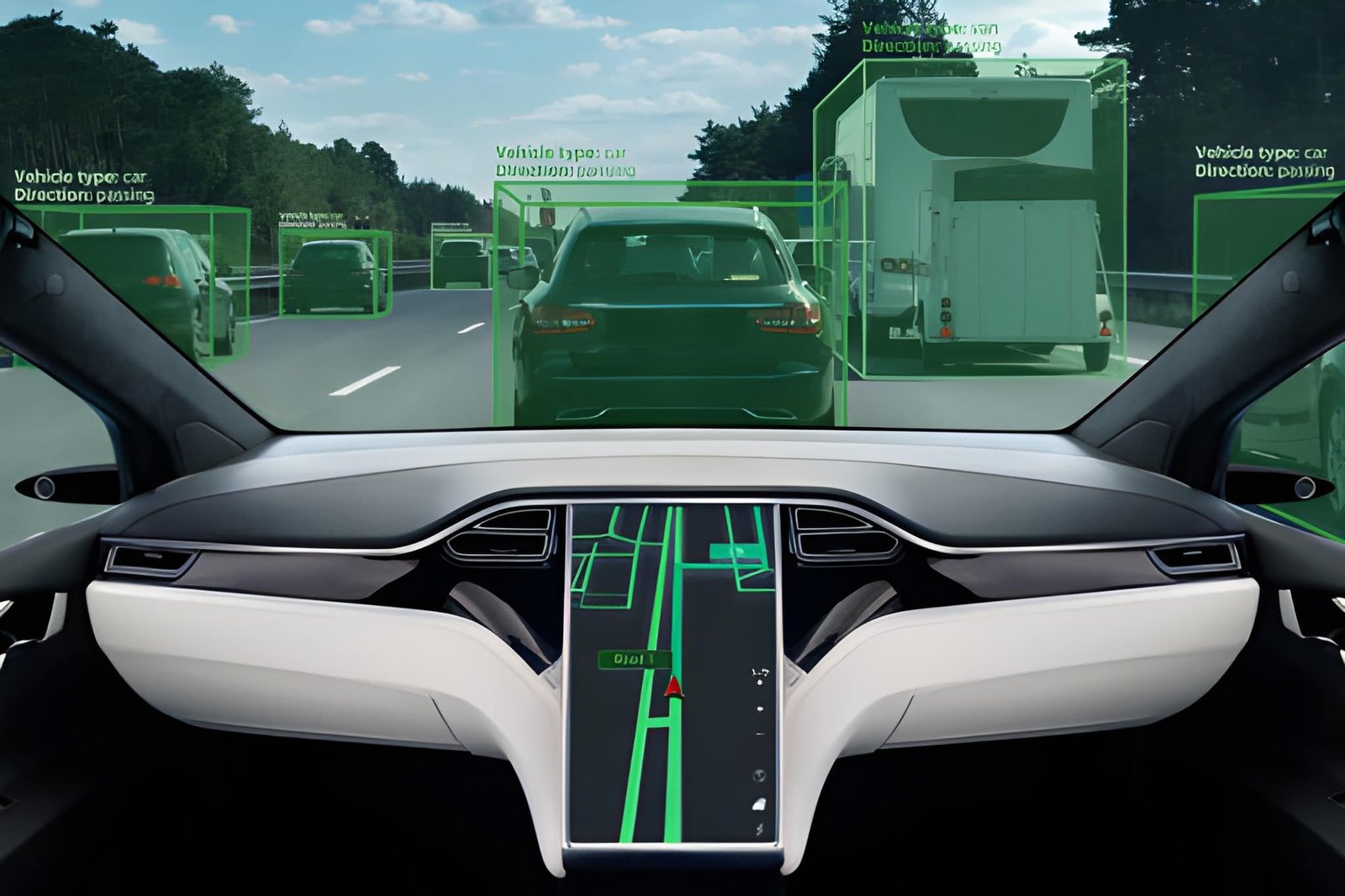
The cameras are used to scan the surroundings in this system. It monitors tracks, indicators, and vehicles. Software forecasts the possible changes in traffic. It manoeuvres and moves comfortably. These measures facilitate safer decisions on the road. The driver continues to look into mirrors and blind spots. Technology is a helper and not a substitute for being aware.
The Responsibility Of Drivers Does Not Lose Its Priority.
The driver will always remain legally responsible. Hands remain in position close to the wheel. Eyes remain on the road. The system reminds drivers not to check out. Where there is dwindling attention, so is the alert level. Safety is the primary objective in this design. Shared control leads to trust.
Where Full Self-Driving Supervised Helps The Most
This system is functional in the case of constant traffic. The roads of cities and highways are assisted. It assists in reducing fatigue in case of long journeys. Traffic that stops and goes is much easier. Lane keeping feels smoother. The system also assists in keeping safe distances. These advantages increase comfort when driving.
Boundaries You Ought To Know
This system is incapable of addressing all situations. Visibility may be compromised due to poor weather. The sensors can be confused in the case of road construction. Human judgment is still necessary when it comes to unexpected events. Drivers should also be prepared to act. Knowing boundaries avoids excess. The existence of clear expectations enhances safety results.
Learning Over Time
The assistive systems are enhanced with the learning of data. Performance is perfected by software updates. The system becomes fit for a greater number of scenarios. The drivers achieve less turbulent behavior as time goes by. Feedback plays a key role. Constant development helps in safer experiences of travelling.
Midway Introspection Into Full Self-Driving Supervised
At this level, there is a good improvement in assisted driving in Full Self-Driving Supervised. It combines robotization with human reasoning. Numerous drivers want explanations. Tesla FSD Supervised Explained is frequently found in the online search results related to that subject. Individuals desire certainty and not promises. The knowledge generates confidence and harmless and protective use.
There Are Two Safety Advantages Of Monitored Autonomy.
Monitored systems are intended to minimize accidents. They help spot risks early. Drivers should be cautioned about danger. Adjustment of speed facilitates a safer distance. Lane guidance reduces drift. These qualities promote safer lifestyles. It is the human driver who is the ultimate decision maker.
Public Concerns And Misunderstandings
Other individuals believe that it is supervised, and that supervision means complete freedom. Such an assumption is confusing. Responsibility in this system is not eliminated. Establishing education assists in rectifying assumptions. Guidelines should be read by the drivers. Knowledge results in safer roads for all.
The Future Of Assisted Driving
Assisted autonomy will continue to change as Self Drivings systems accommodate an increasing number of activities. Human control will not become insignificant, as safety regulations and legislation continue to inform development. Transparency is required to build trust within the community, and evident boundaries will assist adoption by encouraging responsibility.
Conclusion
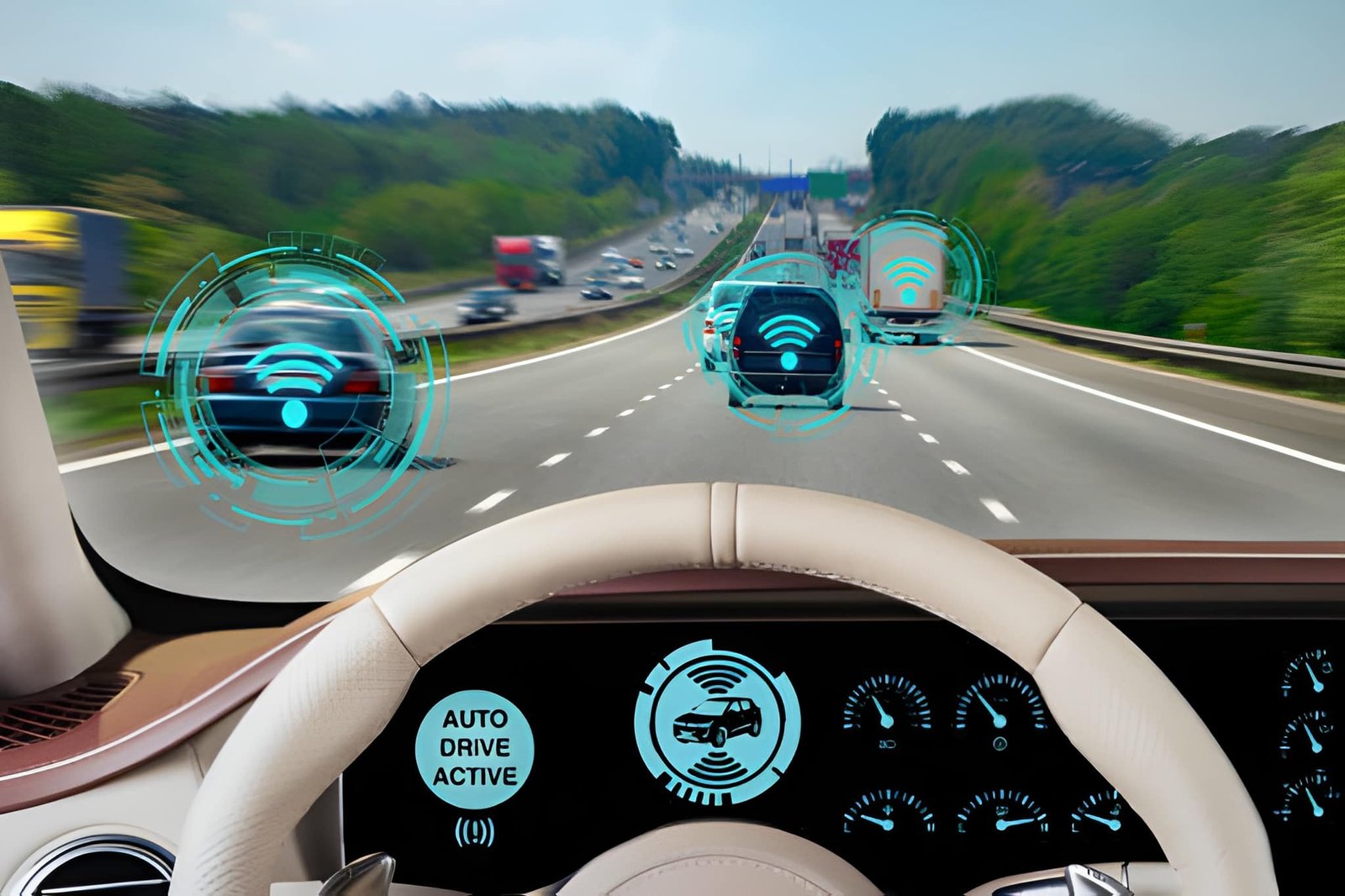
Supervised driving is a cautious move. It assists drivers not to take their place. Not independence, but assistance is the emphasis of Full Self-Driving Supervised. There is a cooperation between systems and drivers. This collaboration determines the future of safer travelling.
FAQs
Are there any similarities between supervised self-driving and autonomous driving?
No, there is still a need to have an eye on the driver and control.
Can drivers take off their hands when they are on supervised driving?
The drivers should be prepared and, in all cases, pay attention to system warnings.
Does supervised driving work in all conditions?
No, the changes in weather and roads can impose limitations on the performance of the systems.
So what is the question of responsibility in supervised driving?
The human driver remains in total control of the vehicle.
Will human driving be substituted by supervised driving in the future?
No, it does not eliminate the role of the drivers; it serves them.
For more information visit our Pinterest Account.