Tesla’s FSD
The Full Self-Driving (FSD) option from Tesla is one of the most discussed features in the automotive universe right now. And to Tesla owners, a tantalising view of the future of self-driving cars. But the FSD treadmill comes with a duty to know how it works, how it’s updated, and what kind of supervision is necessary.
How Tesla’s FSD Works
Tesla’s Full Self-Driving system employs a suite of sensors, cameras, radar, and powerful software to guide itself on the road and assist its driver with driving tasks. Intended to help drivers by taking over some tasks, like automatically changing lanes, parking, and driving in the city. But even with all its capabilities, Tesla’s FSD is still not truly driverless. It still needs oversight by the driver.
FSD capacity range
FSD is capable of performing many driving tasks, but it should be noted that the system is not suited to substitute the driver. Tesla explicitly says the driver needs to remain in a position to take over control of the vehicle at all times. This, if you’re a Tesla owner, is one of the most important things you can understand: Full Self Driving Supervised is an aid, not an autonomous vehicle.
Supervision: The Key Responsibility
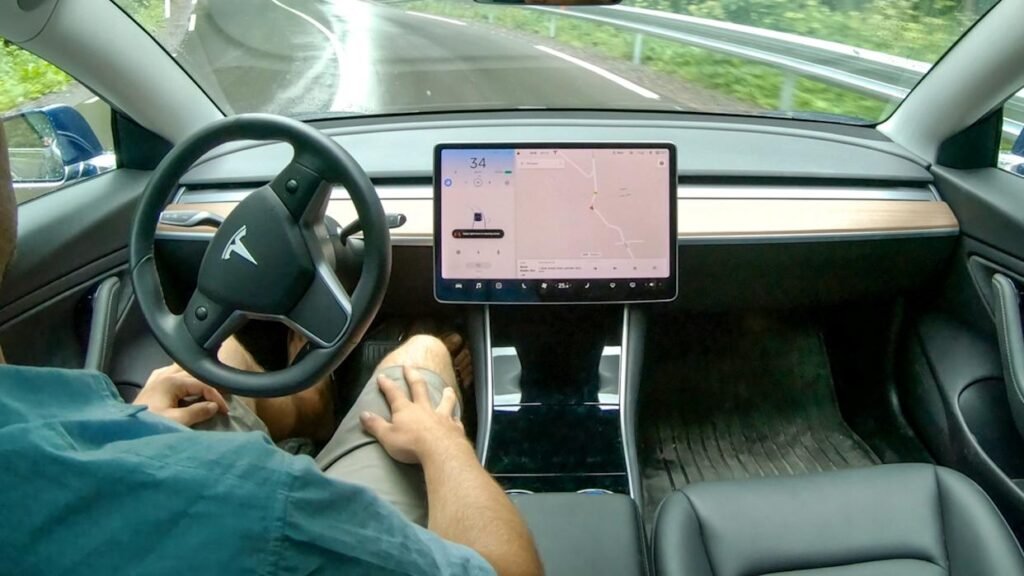
Full Self-Driving is not really that full: It’s not fully hands-off. Although the system is capable of tasks such as steering, braking, and accelerating, the driver needs to keep their hands on the wheel and remain vigilant. Tesla employs sensors to check the driver’s attentiveness. If the vehicle finds that the driver is not paying proper attention or that they are keeping their hands off the wheel for too long, then a warning will be issued. If neither response comes, the system can even slow the car to a stop.

Role of the latest technology in FSD
FSD technology from Tesla improves pretty quickly via software updates. These over-the-air updates enhance the capabilities of the system, iron out the known bugs, and occasionally even introduce new features. It’s one of the primary advantages of Tesla’s approach: unlike standard vehicles, Tesla owners don’t need to go into a dealership for many updates. The vehicle automatically updates itself, unlike a smartphone.
Top-quality refining system
It’s also worth mentioning that Tesla is always refining the system, and how quickly updates come can differ. Some updates come every few months, others longer. The way Tesla does software means that your Tesla FSD supervised can keep getting better after you’ve purchased the car. But you should also know that some of these features are available only in some regions or require extra hardware.
A Person’s Self-Drive Needs to Keep in Mind
For Tesla customers, FSD’s limitations are also the key to using it safely. While FSD works on many things, there are things that you shouldn’t rely on at all. And there were perhaps a few too many situations where it didn’t always operate consistently as conditions got bad — very heavy rain, snow, and complex urban settings. Always be prepared to seize control, even if the system appears to operate flawlessly.

Conclusion
Tesla’s Full Self-Driving is an impressive tool for expanding the edges of what self-driving can be. But Tesla owners should keep in mind that full autonomy has not arrived yet. It is important to note, supervision is needed at all times, and keeping up to date with software releases is paramount – ultimately, for those who like this system, they seem to swear by it. With that said, FSD is an exciting look at the future of driving – with lots of room for growth and improvement.
Like and visit our Pinterest profile for more details and information
FAQs
- Is Tesla’s Full Self-Driving really self-driving?
No, Tesla’s FSD isn’t even close to being fully autonomous. It needs a supervising driver and is meant to supplement driving, not supplant it.
- When does Tesla update FSD software?
Tesla continuously updates its FSD software by making improvements and adding new features via over-the-air updates. The interval may be from weeks to months.
- What if I zone out while activating FSD?
It will also flash a warning if it detects that you’re not paying attention. If you persist in not seeing and reacting, the system itself may decelerate or bring the car to a stop.
- Can I use FSD on all roads?
FSD is great on highways and works OK on some city streets, but it’s not going to be perfect in all scenarios, such as bad weather or complicated traffic situations.
- Is Full Self-Driving worth all of the extra cost?
This depends on your needs. FSD is super convenient, and also constantly improving, but it’s not yet well-suited for self-care free of supervision. Think about how often you find yourself driving in scenarios where FSD can help out, and whether the added cost is within your budget.