Self Driving Supervised
Never has the driving world changed as quickly. Full Self Driving With companies like Tesla and others leading the march into automation, a new term continues to appear: Full Self Driving (FSD). But what does it really mean? Can a car truly drive itself — with no one at the controls? The truth is far more complicated than that. Knowing exactly what it means to be “supervised” self-driving is key to using this technology safely and responsibly.
What ‘Full Self Driving’ Really Means
Full Self Driving: The wording is misleading, but think of it not as “pilot.” Despite what you might infer from the name, Full Self Driving Supervised does not allow a car to drive itself entirely. It’s a level 3 autonomous driving system, which means it can assume control in the majority of driving duties (steering, braking, lane changes, and navigation) under some conditions. But the system still requires a driver who is alert and ready to take over if needed. In short, FSD assists you but does not put your shoes on for you.
Why It’s Called “Supervised”
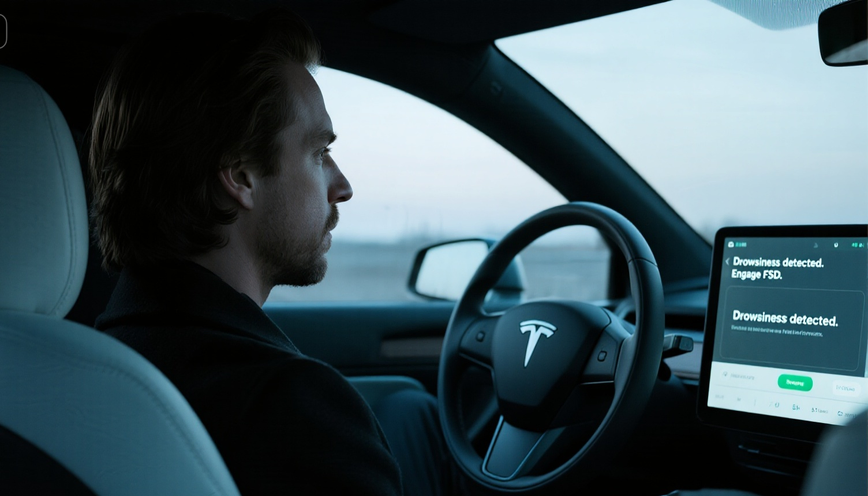
The word supervised is crucial. It’s a signal that the system isn’t totally self-sufficient; it still requires human oversight.” Hands on the wheel, eyes on the road. Even if the car seems to be working just fine, circumstances like bad weather could trick or confound the system – so might a sudden roadwork or confusing lane markings. In those cases, human judgment is still needed.

The Technology Behind FSD
FSD leverages a suite of cameras, radar, and ultrasonic sensors alongside strong AI software. These systems are constantly taking in information — cars, pedestrians, signs, and traffic signals — to make real-time decisions. The company’s software learns and improves through over-the-air updates and data from millions of vehicles. But for all its sophistication, such a system can predict only so much about the conditions it will encounter on the road. Which is why you still need a human monitor.
If You Must Be Hands-On
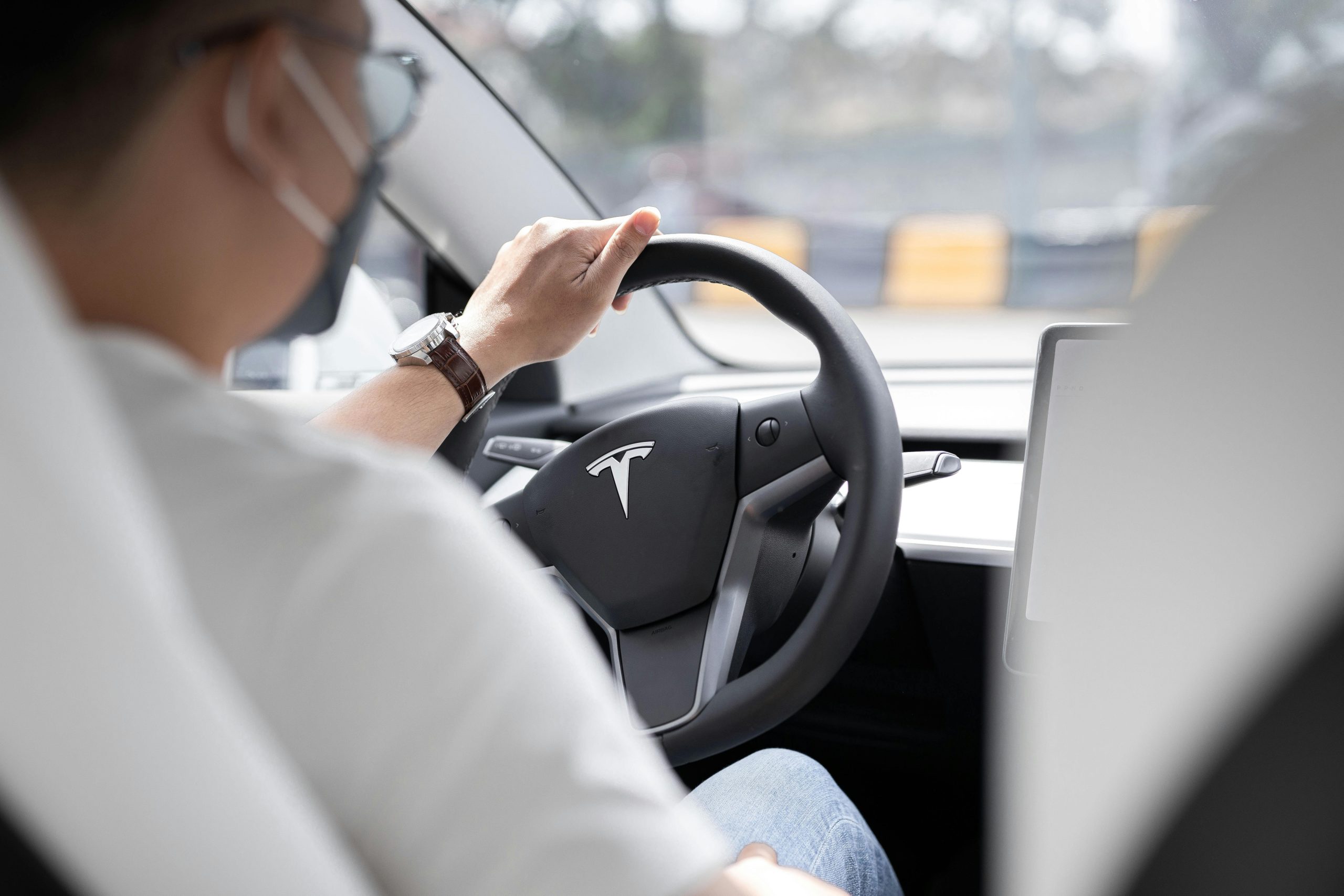
Even as FSD gets engaged, there are inevitably times you still have to intervene; things like complicated intersections, construction zones, and any place with missing road lines tend to need some human hands on the wheel. And if the car issues you a visual or audible prompt to take control back, you’re supposed to do so immediately. If it isn’t, the function just can’t operate, or worse, it is unsafe. Also, keep in mind that FSD is meant to help, not assume the duties of the driver.
Legal and Safety Boundaries
The legality of FSD usage is subject to various laws in different jurisdictions. But in most places, the technology is treated as driver assistance rather than full autonomy. Drivers are on the hook for the behavior of the car, also at all times under the law. Even car makers see the shortcomings in disclaimers: The driver has to remain alert and engaged. Sure, as technology advances and Affordable Electric Cars become more common, the rules might change, but for now, “Full Self Driving Supervised” means you’re calling the shots.
Full Autonomy Remains Elusive
The concept of a car that is smart enough to operate itself completely is closer than it’s ever been, but we’re not there quite yet. Future versions might make us just that much closer to real autonomy — as in, no need for any human intermediary at all. Until then, FSD is a teasing glimpse of what’s to arrive. It’s a convenience, it comforts, and above all else — if drivers don’t zone out, which driving this system can easily encourage — it’s safe.
Think your car can drive itself? Not quite! Learn how Tesla’s Full Self Driving still needs you behind the wheel. Check out the full story on Pinterest!
Trending FAQs
- Can I take a nap when my car is in Full Self Driving mode?
You can’t do that, you have to stay alert.” FSD needs you to put your hands on the steering wheel, and it can ask you to take over at any point.
- What’s the difference between Autopilot and Full Self Driving?
Autopilot handles simple tasks, including staying in a lane and cruising, while FSD encompasses more complex functions like driving on highways, stopping for traffic lights, and exiting roads.
- Is Full Self Driving legal?
No, laws vary by region. FSD may seem to require the assistance of testing or under, while some countries only have testing or supervision. You should always check your local ordinance before you use it.
- How often do other car makes get FSD updates from Tesla?
Manufacturers constantly push software updates that make the system better and safer. OTA and the updates are usually OTAs.
- When Will Cars Be Completely Autonomous?
Experts say the full picture may be years in the making — and full autonomy, where no driver input is at all required, still several more years beyond that. Today, these systems still require a man as a keeper to meet safety regulations.